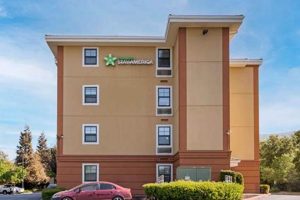
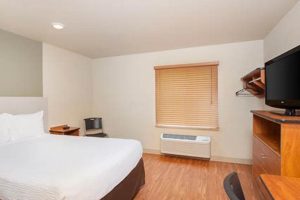
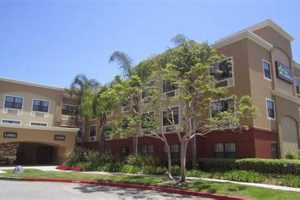
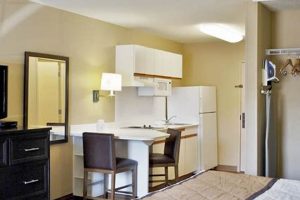
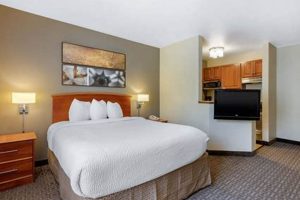
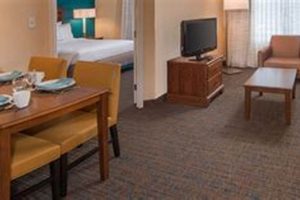
A longer-term form of lodging, typically for five or more consecutive nights, offers amenities designed for greater self-sufficiency, such as kitchenettes or full kitchens, in-suite laundry facilities, and more spacious living areas. These accommodations often cater to business travelers, relocating families, or individuals requiring temporary housing, providing a home-like environment for more comfortable longer stays. For instance, a consultant working on a project for several weeks might choose this type of accommodation over a traditional hotel.
This lodging style bridges the gap between hotels and traditional rentals, providing cost-effectiveness for longer durations and the convenience of hotel-like services, including housekeeping and on-site amenities. Historically, this lodging type emerged to meet the needs of a mobile workforce and families in transition, providing a more comfortable and affordable alternative to short-term hotel stays or securing long-term leases. This approach to accommodation continues to evolve, offering a flexible and convenient solution for modern travelers.
The following sections will explore various aspects of this accommodation sector, including cost considerations, amenity comparisons, popular brands, and ideal traveler profiles.
Tips for Longer-Term Stays
Careful planning ensures comfortable and cost-effective longer-term accommodations. Consider these essential tips before booking:
Tip 1: Book Early for Best Rates: Advance reservations, particularly during peak season, often unlock discounted rates and wider availability. Last-minute bookings may face limited choices and premium pricing.
Tip 2: Compare Amenities: Not all longer-stay accommodations offer identical features. Evaluate needs regarding kitchen facilities, laundry access, internet connectivity, and on-site amenities like fitness centers or business services.
Tip 3: Consider Location Carefully: Proximity to work, public transportation, grocery stores, and dining establishments is paramount for convenience and minimizing commuting time. Research the surrounding area for accessibility and desired services.
Tip 4: Negotiate Rates for Extended Periods: Many properties offer discounted weekly or monthly rates. Don’t hesitate to inquire about potential cost savings for longer stays.
Tip 5: Review Cancellation Policies: Understanding cancellation policies is crucial for unforeseen circumstances. Examine potential penalties and required notice periods before finalizing a reservation.
Tip 6: Pack Light but Strategically: While longer-term accommodations provide space, packing strategically minimizes baggage handling and storage needs. Prioritize essential clothing, toiletries, and personal items.
Tip 7: Explore Loyalty Programs: Many brands offer loyalty programs with perks such as discounted rates, room upgrades, or complimentary services. Joining these programs can provide substantial value for frequent longer-term travelers.
By following these tips, individuals can optimize their longer-term stays, ensuring comfortable, convenient, and cost-effective accommodations.
Equipped with this practical advice, the following concluding section offers a final perspective on choosing suitable accommodations.
1. Longer Duration Stays

Duration is a defining characteristic of extended stay lodging, distinguishing it from traditional hotels. While hotels primarily cater to transient guests, extended stay accommodations focus on stays of five or more consecutive nights. This fundamental difference influences property design, offered amenities, and overall guest experience. For instance, a family relocating to a new city might require temporary housing for several weeks while searching for a permanent residence. In such cases, an extended stay hotel offers a more practical and comfortable solution than a traditional hotel, providing ample space, kitchen facilities, and a home-like environment.
The emphasis on longer durations allows for specific services and amenities tailored to the needs of long-term guests. These might include in-suite laundry facilities, fully equipped kitchens, and more spacious living areas. Furthermore, pricing structures often reflect the extended nature of the stay, offering discounted weekly or monthly rates compared to nightly charges, resulting in significant cost savings for guests. Consider a business traveler assigned to a project in a different city for an extended period. An extended stay hotel provides the necessary amenities for comfortable long-term living, like a workspace and kitchen, combined with cost-effectiveness not typically available in hotels.
Understanding the importance of duration in the context of extended stay lodging is crucial for both guests and providers. It directly impacts the design, services, and pricing strategies of these accommodations. By recognizing this fundamental principle, guests can make informed decisions based on individual needs and budget considerations, while providers can tailor their offerings to best serve the unique requirements of long-term guests. The practical significance of this understanding lies in the ability to select accommodations that optimally meet the needs of extended trips, ensuring a more comfortable and cost-effective experience.
2. Home-like Amenities

A defining characteristic of extended stay lodging lies in the provision of home-like amenities, setting it apart from traditional hotels. These amenities cater to the needs of guests staying for longer durations, offering greater comfort, convenience, and a sense of normalcy. Understanding the scope and significance of these amenities is crucial for appreciating the value proposition of extended stay accommodations.
- Fully Equipped Kitchens
Unlike standard hotel rooms, extended stay accommodations often feature fully equipped kitchens, complete with refrigerators, stovetops, ovens, microwaves, and dishwashers. This allows guests to prepare meals independently, offering significant cost savings compared to dining out for every meal. A family on an extended vacation, for example, can prepare breakfast and pack lunches, minimizing expenses and catering to dietary preferences.
- In-Suite Laundry Facilities
The availability of in-suite washers and dryers is another hallmark of extended stay properties. This convenience eliminates the need for costly and time-consuming trips to laundromats, especially beneficial for longer stays. Business travelers, for instance, can maintain a professional wardrobe without the hassle of outsourcing laundry services.
- Separate Living and Sleeping Areas
Many extended stay units offer separate living and sleeping areas, providing greater space and privacy compared to traditional hotel rooms. This distinction allows guests to relax, work, or entertain without feeling confined to a single space. For example, a remote worker can set up a dedicated workspace in the living area while maintaining a separate bedroom for rest and relaxation.
- Enhanced Housekeeping Services
While daily housekeeping might not be standard, extended stay properties often provide more thorough cleaning services on a weekly or bi-weekly basis. This approach caters to the longer duration of stays, ensuring a clean and comfortable environment throughout the guest’s stay. This reduces disruption for the guest while still maintaining a clean environment.
These home-like amenities collectively contribute to a more comfortable and convenient experience for extended stay guests. By offering a sense of familiarity and independence, these accommodations bridge the gap between hotels and traditional rentals, providing a unique and valuable lodging solution. The inclusion of these features reinforces the core value proposition of extended stay lodging, catering specifically to the needs and preferences of long-term travelers.
3. Cost-Effectiveness

Cost-effectiveness is a central consideration within extended stay lodging, often a primary motivator for guests choosing this type of accommodation. Understanding the factors contributing to cost savings provides valuable insight into the overall value proposition of extended stay options.
- Lower Daily Rates:
Extended stay properties typically offer lower daily rates compared to traditional hotels, especially for longer stays. Weekly and monthly rates often provide substantial discounts, making them an attractive option for budget-conscious travelers. For example, a consultant on a month-long project could realize significant savings by opting for an extended stay hotel over a traditional hotel.
- Reduced Dining Expenses:
The availability of in-suite kitchens allows guests to prepare meals independently, significantly reducing dining expenses. Rather than relying on restaurants or hotel room service, guests can shop for groceries and cook their own meals, offering greater control over food costs and dietary preferences. A family traveling with children, for example, could prepare breakfasts and pack lunches, minimizing the cost of eating out.
- Lower Transportation Costs:
Often strategically located near business districts or residential areas, extended stay properties can reduce transportation costs. Proximity to workplaces, public transportation, and essential services minimizes the need for taxis or rental cars, contributing to overall cost savings. A business traveler, for instance, might choose an extended stay hotel within walking distance of their office, eliminating daily commuting expenses.
- Value-Added Amenities:
Many extended stay properties offer value-added amenities like complimentary breakfast, Wi-Fi, and parking, further enhancing cost-effectiveness. These inclusions can represent significant savings compared to hotels that charge extra for these services. For example, free parking can eliminate daily parking fees, which can quickly accumulate during longer stays.
These factors combine to make extended stay lodging a cost-effective choice for various travel scenarios. The potential for savings on daily rates, dining, transportation, and amenities contributes to a compelling value proposition, particularly for longer trips. By understanding these components, travelers can make informed decisions based on individual needs and budget considerations, maximizing the potential for cost savings while maintaining a comfortable and convenient travel experience. This approach reinforces the appeal of extended stays as a financially sound lodging solution for the discerning traveler.
4. Flexibility and Convenience
Flexibility and convenience are integral to the appeal of extended stay lodging, differentiating it from traditional hotel stays and short-term rentals. These aspects cater to the dynamic needs of modern travelers, offering adaptable solutions and streamlined processes that enhance the overall travel experience. Understanding the interplay between flexibility, convenience, and extended stays is crucial for appreciating the benefits of this lodging option.
- Booking and Check-in/Check-out Procedures:
Extended stay properties often offer flexible booking options, accommodating varying arrival and departure dates without rigid restrictions. Streamlined check-in and check-out processes further enhance convenience, minimizing administrative hurdles and allowing guests to settle in or depart quickly. For instance, a project-based consultant with an uncertain end date benefits from flexible booking terms, while a relocating family appreciates a swift check-in process after a long journey.
- Amenity Access and Usage:
Extended stay accommodations provide convenient access to amenities like on-site laundry facilities, fitness centers, and business services, often available 24/7. This accessibility caters to varying schedules and preferences, providing autonomy and flexibility for guests. A business traveler, for example, can utilize the fitness center early in the morning before meetings, while a family can do laundry at their convenience without adhering to restrictive schedules.
- Adaptable Living Spaces:
Extended stay units often feature adaptable living spaces, accommodating diverse needs. Separate living and sleeping areas, fully equipped kitchens, and ample storage provide flexibility for both work and relaxation. A remote worker can create a dedicated workspace, while a family has space for meals and leisure activities. This adaptability enhances long-term comfort and functionality.
- Location and Accessibility:
Many extended stay properties are strategically located near business hubs, transportation centers, and essential services, maximizing convenience for guests. Proximity to key destinations simplifies commutes, errands, and exploration, minimizing travel time and maximizing efficiency. A relocating family, for instance, benefits from easy access to grocery stores and schools, while a business traveler appreciates proximity to their workplace and airport.
The integration of flexibility and convenience within extended stay accommodations contributes significantly to their appeal among modern travelers. By offering adaptable solutions and streamlined processes, these properties cater to dynamic lifestyles and diverse needs, positioning extended stays as a practical and appealing alternative to traditional lodging options. This convergence of flexibility and convenience enhances the overall travel experience, fostering a sense of autonomy and ease for guests seeking a home-away-from-home environment.
5. Targeted Demographics
Understanding the target demographics for extended stay lodging is crucial for comprehending the specific needs and preferences catered to by this type of accommodation. Analyzing these demographics provides insights into the design, amenities, and services offered, as well as the overall marketing and operational strategies employed within the extended stay industry. This exploration will delve into the key demographics that typically utilize extended stay accommodations, highlighting their respective motivations and requirements.
- Business Travelers:
Business travelers, particularly those on long-term assignments or projects, constitute a significant portion of extended stay clientele. Their needs often center around convenient locations near business districts, reliable internet access for remote work, and amenities that support a productive work environment, such as in-suite workspaces and business centers. For example, a consultant engaged in a multi-week project would benefit from an extended stay hotel offering a comfortable workspace and convenient access to meeting facilities. This demographic prioritizes efficiency and productivity, seeking accommodations that facilitate seamless work integration during their extended stay.
- Relocating Families:
Families in the process of relocating often utilize extended stay accommodations as temporary housing while searching for a permanent residence. Their needs prioritize spacious living areas, fully equipped kitchens for meal preparation, in-suite laundry facilities, and proximity to schools and essential services. A family moving to a new city, for instance, would appreciate the comfort and convenience of an extended stay hotel, providing a home-like environment during a potentially stressful transition period. This demographic seeks accommodations that offer stability and comfort while navigating the complexities of relocation.
- Traveling Healthcare Professionals:
Nurses, physicians, and other healthcare professionals on temporary assignments or travel contracts often choose extended stay lodging. Their needs emphasize proximity to hospitals and medical facilities, flexible booking options to accommodate varying contract durations, and comfortable living spaces that provide respite after demanding shifts. A traveling nurse, for example, might prefer an extended stay hotel near their assigned hospital, offering a comfortable and convenient base during their contract period. This demographic prioritizes practical considerations and comfortable living arrangements to support their demanding work schedules.
- Vacationing Families and Groups:
Families and groups on extended vacations often find extended stay accommodations more suitable than traditional hotels. The availability of multiple bedrooms, fully equipped kitchens for preparing meals, and common living areas provides ample space and flexibility for larger groups. A family on a week-long beach vacation, for example, might prefer an extended stay condo with separate bedrooms and a kitchen, allowing them to prepare meals and enjoy quality time together. This demographic values spaciousness, cost-effectiveness, and the ability to maintain some home-like routines while traveling.
By catering to these distinct demographics, extended stay properties have carved a unique niche within the hospitality industry. Understanding the specific needs and preferences of these groups is essential for providing tailored services and amenities, ensuring a comfortable and convenient experience for every guest. The diverse range of targeted demographics underscores the versatility and adaptability of extended stay lodging, positioning it as a viable and attractive option for various travel purposes and lifestyles.
6. Specific Services Offered

Specific services offered are integral to defining extended stay lodging, distinguishing it from other lodging types. These services cater to the unique needs of long-term guests, emphasizing convenience, comfort, and a sense of home. This connection between services and the extended stay experience is crucial for understanding its value proposition. For example, providing on-site laundry facilities addresses the practical need for clean clothes during longer stays, differentiating extended stay accommodations from hotels where laundry services are often outsourced or unavailable. Similarly, offering fully equipped kitchens allows guests to prepare meals, a cost-saving measure and a convenience not typically found in traditional hotels. These targeted services directly address the challenges and requirements of extended travel.
The curated selection of services contributes significantly to the overall appeal and practicality of extended stays. Housekeeping schedules tailored to longer stays minimize disruption while maintaining cleanliness. Fitness centers and business services cater to health and work needs, respectively. Complimentary Wi-Fi and breakfast offerings further enhance convenience and value. These provisions collectively contribute to a more comfortable and productive environment for guests, aligning with the core objective of extended stay lodging to provide a home-away-from-home experience. For instance, a business traveler benefits from reliable internet access and a comfortable workspace, while a relocating family appreciates the convenience of on-site laundry facilities and a fully equipped kitchen. The practical application of these services enhances the overall quality of extended stays.
In summary, specific services offered are not merely supplementary additions but defining characteristics of extended stay lodging. These services directly address the practical challenges and unique requirements of long-term travel, creating a more comfortable, convenient, and cost-effective experience. The availability of these services, coupled with the design and amenities of extended stay properties, solidifies their distinct position within the hospitality sector, offering a tailored solution for the needs of modern extended travelers. This understanding is crucial for both providers and guests, informing operational strategies and guiding accommodation choices for optimal travel experiences.
Frequently Asked Questions
This section addresses common inquiries regarding longer-term accommodations, providing clarity and dispelling potential misconceptions.
Question 1: How do longer-term accommodations differ from traditional hotels?
Longer-term accommodations prioritize stays of five or more nights, offering amenities like kitchens and in-suite laundry, catering to a home-like experience. Traditional hotels focus on shorter stays, emphasizing transient convenience.
Question 2: What are the typical costs associated with longer-term accommodations?
Costs vary based on location, duration, and amenities. Generally, longer-term accommodations offer lower daily rates than hotels, especially for extended stays, with potential discounts for weekly or monthly bookings. Additional costs may include utilities, depending on the specific property.
Question 3: What amenities are commonly found in longer-term accommodations?
Common amenities include fully equipped kitchens, in-suite laundry facilities, separate living and sleeping areas, high-speed internet access, and often on-site fitness centers and business services. Specific amenities vary depending on the property and its target demographic.
Question 4: Who typically benefits most from longer-term accommodations?
Business travelers on extended assignments, relocating families, traveling healthcare professionals, and individuals needing temporary housing often benefit. Vacationing families or groups seeking more space and self-sufficiency also find these accommodations appealing.
Question 5: What are the key factors to consider when choosing longer-term accommodations?
Key considerations include location, proximity to essential services, available amenities, cost, cancellation policies, and reputation/reviews. Matching these factors with individual needs ensures a satisfactory stay.
Question 6: How can one find reputable longer-term accommodation options?
Reputable options can be found through online travel agencies, specialized extended stay websites, corporate housing providers, and direct booking through property websites. Reading reviews and comparing offerings across various platforms facilitates informed decisions.
Careful consideration of these factors ensures selection of suitable accommodations aligned with individual needs and preferences. Understanding these aspects empowers informed decisions and contributes to positive guest experiences.
For further insights, the following section delves into specific case studies and real-world examples of successful extended stay experiences.
Extended Stay
Extended stay lodging represents a distinct segment within the hospitality industry, catering to the specific needs of long-term travelers. This exploration has examined its defining characteristics, encompassing longer duration stays, provision of home-like amenities, focus on cost-effectiveness, inherent flexibility and convenience, targeted demographics, and specific services offered. From business travelers on prolonged assignments to relocating families seeking temporary housing, extended stay accommodations provide a tailored solution that bridges the gap between traditional hotels and residential rentals. The analysis of key features, benefits, and target demographics clarifies the value proposition inherent in this specialized lodging category.
The evolving landscape of travel continues to shape the demand for flexible and adaptable accommodation solutions. Extended stay lodging stands as a significant response to this demand, offering a compelling blend of comfort, convenience, and cost-effectiveness. Further exploration of specific brands, regional variations, and emerging trends within the extended stay sector will provide deeper insights into its dynamic role within the broader hospitality ecosystem. Careful consideration of individual needs and preferences, combined with a thorough understanding of the extended stay landscape, empowers informed decision-making and contributes to positive guest experiences.