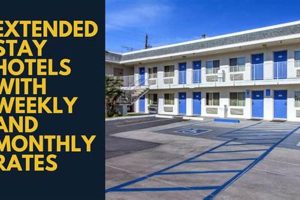
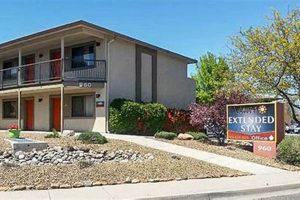
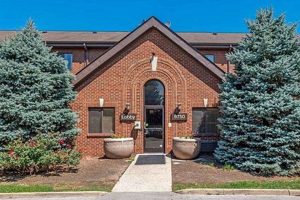
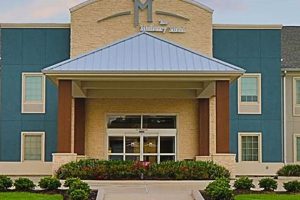
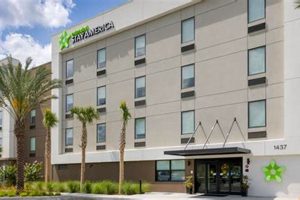
These lodgings offer more than a typical overnight stay, providing guests with apartment-style amenities such as kitchenettes, in-suite laundry, and separate living spaces. This setup caters to travelers needing accommodation for a week, a month, or even longer. A business traveler on a temporary assignment or a family relocating to a new city exemplifies the typical guest profile.
Such accommodations provide cost-effectiveness, comfort, and convenience for extended trips. Unlike traditional hotels, they offer a sense of home with more space and amenities, often leading to lower overall expenses compared to shorter-term options coupled with restaurant dining. Historically, these establishments arose to meet the needs of mobile professionals and families undergoing transitions, filling the gap between short-term hotel stays and traditional apartment rentals.
Understanding the features, advantages, and target demographic of this accommodation type is crucial for both travelers seeking lodging and professionals within the hospitality industry. Further exploration will cover topics such as specific amenities, cost considerations, popular brands, and ideal guest profiles.
Tips for Selecting Suitable Accommodations
Choosing the right lodging for an extended period requires careful consideration of various factors. The following tips offer guidance for making informed decisions.
Tip 1: Evaluate Kitchen Facilities. Fully equipped kitchens with a refrigerator, stovetop, microwave, and dishwasher offer significant cost savings by enabling meal preparation. Consider the completeness of the kitchenware provided.
Tip 2: Assess Laundry Options. In-suite laundry facilities eliminate the need for costly external laundry services, contributing to convenience and budget management.
Tip 3: Prioritize Workspace Availability. Ample workspace with reliable internet connectivity is essential for business travelers or those working remotely.
Tip 4: Consider Location and Amenities. Proximity to essential services like grocery stores, pharmacies, and transportation hubs enhances convenience. On-site amenities such as fitness centers and swimming pools contribute to well-being.
Tip 5: Compare Pricing and Cancellation Policies. Evaluate the overall cost, including potential extra fees, and understand the cancellation policy before making a reservation.
Tip 6: Research Reviews and Ratings. Online reviews offer insights into the experiences of previous guests, providing valuable information for decision-making.
Tip 7: Inquire About Housekeeping Services. Understand the frequency and scope of housekeeping services offered to ensure alignment with individual preferences.
Careful consideration of these factors ensures selection of an accommodation that meets individual needs and preferences, contributing to a comfortable and productive extended stay.
By following these tips, travelers can confidently select accommodations suited for their specific requirements. A well-chosen extended stay establishment offers more than just a place to sleep; it provides a home away from home.
1. Home-like Amenities

A defining characteristic of extended stay hotels lies in their provision of home-like amenities. These features cater specifically to the needs of long-term guests, differentiating these accommodations from traditional hotels and contributing significantly to guest comfort and convenience during extended stays. Understanding these amenities provides valuable insight into the benefits and overall appeal of extended stay lodging.
- Fully Equipped Kitchens
Unlike standard hotel rooms, extended stay hotels often feature fully equipped kitchens. These typically include a refrigerator, stovetop, microwave, oven, and dishwasher, enabling guests to prepare their own meals. This self-sufficiency offers significant cost savings compared to relying on restaurants or takeout, especially during longer stays. It also provides greater dietary control and flexibility.
- In-Suite Laundry Facilities
Another crucial home-like amenity is the inclusion of in-suite laundry facilities. Washers and dryers within the guest room or suite eliminate the need for external laundromats or expensive hotel laundry services. This offers significant convenience and cost savings, particularly for those on extended trips.
- Separate Living and Sleeping Areas
Many extended stay hotels offer separate living and sleeping areas, providing greater comfort and functionality compared to a single hotel room. This division allows guests to relax, work, or entertain without encroaching on the sleeping area, creating a more home-like environment conducive to longer stays.
- Expanded Storage Space
Extended stay hotels often provide more storage space than typical hotel rooms. This includes larger closets, dressers, and additional storage areas for luggage and personal belongings. Ample storage is essential for guests staying for an extended period, contributing to a sense of organization and comfort.
These home-like amenities collectively create an environment more akin to an apartment than a traditional hotel room. This distinction is central to the appeal of extended stay hotels, providing guests with the comfort, convenience, and self-sufficiency needed for productive and enjoyable long-term stays. The ability to cook meals, do laundry, and relax in separate living spaces contributes significantly to a more comfortable and cost-effective experience for travelers needing accommodation for a week, a month, or even longer.
2. Kitchen Facilities

Kitchen facilities represent a pivotal distinction between extended stay hotels and traditional lodging options. The presence and quality of these amenities significantly influence the suitability of a property for long-term guests. A comprehensive examination of kitchen facilities provides critical insights into the advantages and overall appeal of extended stay accommodations.
- Full-Size Appliances
Unlike the limited kitchenettes sometimes found in other lodging types, extended stay hotels frequently feature full-size refrigerators, stovetops, ovens, and microwaves. This allows guests to prepare meals as they would at home, from simple breakfasts to elaborate dinners. This capability contributes significantly to cost savings over time, particularly for families or individuals on extended trips.
- Cookware and Utensils
The provision of adequate cookware and utensils is essential for a functional kitchen. Pots, pans, dishes, cutlery, and essential cooking tools allow guests to prepare a wide variety of meals. The comprehensiveness of these provisions directly impacts the practicality and convenience of the kitchen facility.
- Counter Space and Storage
Ample counter space is crucial for efficient meal preparation. Sufficient storage for groceries and cooking supplies further enhances the functionality of the kitchen. These features contribute to a more comfortable and organized cooking experience, essential for guests staying for extended periods.
- Dishwashers and Cleaning Supplies
The inclusion of a dishwasher simplifies cleanup and contributes to hygiene. The provision of basic cleaning supplies, such as dish soap and sponges, further enhances convenience. These features add to the overall practicality and ease of use of the kitchen, aligning with the self-sufficiency offered by extended stay accommodations.
The availability and quality of kitchen facilities directly influence the overall value proposition of extended stay hotels. These amenities empower guests to maintain dietary preferences, control food costs, and enjoy the comforts of home-cooked meals. This self-sufficiency is a core differentiator for extended stay properties, contributing to their appeal for travelers seeking more than just a temporary overnight stay.
3. Cost-effectiveness

Cost-effectiveness represents a significant advantage of extended stay hotels, particularly for longer durations. Several factors contribute to potential cost savings compared to traditional hotels or short-term rentals. The availability of in-suite kitchens allows guests to prepare meals, reducing restaurant expenses. Laundry facilities minimize or eliminate the need for costly external laundry services. Often, weekly and monthly rates offer substantial discounts compared to daily rates, further enhancing affordability. For example, a business traveler on a month-long assignment can achieve significant savings by utilizing the kitchen for breakfast and lunch, doing laundry in-suite, and taking advantage of a discounted monthly rate. This cost-effectiveness becomes increasingly pronounced with longer stays, making extended stay hotels a financially prudent choice.
The financial benefits extend beyond direct cost comparisons. The convenience of having a kitchen and laundry facilities contributes to intangible savings in terms of time and effort. Not having to search for restaurants or laundromats allows guests to focus on work or other priorities. Furthermore, the home-like environment often fosters a sense of stability and routine, which can contribute to reduced stress and improved overall well-being. This combination of tangible and intangible benefits makes cost-effectiveness a cornerstone of the extended stay hotel value proposition.
Understanding the cost advantages requires careful consideration of individual circumstances and travel needs. Comparing rates and amenities across different lodging options, factoring in meal and laundry expenses, and evaluating the length of stay are crucial steps in determining the optimal choice. While extended stay hotels frequently offer significant cost benefits, a thorough assessment ensures informed decision-making aligned with individual budget constraints and travel requirements. This informed approach maximizes the potential for cost savings and enhances the overall travel experience.
4. Longer Booking Durations

Extended stay hotels cater specifically to guests requiring accommodations for extended periods, distinguishing them from traditional hotels geared towards shorter stays. The nature of longer booking durations shapes the amenities, pricing structures, and overall guest experience. Exploring the facets of these longer stays provides essential insights into the unique value proposition of extended stay hotels.
- Project-Based Stays
Consultants, contractors, and project managers working on temporary assignments often require accommodation for weeks or months. Extended stay hotels offer a practical solution, providing comfortable living spaces and convenient amenities tailored for extended durations. A construction project manager overseeing a six-month build, for instance, would find an extended stay hotel more suitable than a traditional hotel.
- Relocation and Transition Periods
Individuals or families relocating to a new city frequently require temporary housing while searching for permanent residence. Extended stay hotels provide a comfortable and cost-effective interim solution, allowing guests to settle in and explore their new surroundings before committing to a long-term lease. A family relocating across the country might stay in an extended stay hotel for several weeks while house hunting.
- Corporate Training and Extended Business Trips
Employees attending corporate training programs or embarking on extended business trips benefit from the convenience and amenities of extended stay hotels. The ability to maintain routines, prepare meals, and have dedicated workspaces enhances productivity and comfort during these longer stays. A sales team undergoing a two-week training program would find an extended stay hotel conducive to both work and relaxation.
- Medical Stays and Family Visits
Individuals receiving medical treatment at a distant facility or visiting family members for an extended period often utilize extended stay hotels. The home-like environment provides comfort and support during challenging times, offering a more personalized experience compared to traditional hotels. A family member supporting a loved one undergoing medical treatment might stay at an extended stay hotel for several weeks to be nearby.
These examples underscore the diverse needs addressed by extended stay hotels. Longer booking durations necessitate specific amenities and services, shaping the operational focus and target demographic of these establishments. The ability to cater to the unique requirements of long-term guests positions extended stay hotels as a distinct and valuable segment within the hospitality industry.
5. Targeted Guest Profiles

Understanding the target guest profiles for extended stay hotels is crucial for comprehending the specific needs and preferences these establishments cater to. This knowledge informs property development, marketing strategies, and service offerings. Analyzing these profiles clarifies the unique value proposition of extended stay accommodations within the broader hospitality landscape.
- Business Travelers on Extended Assignments
Professionals working on temporary projects, relocations, or training programs often require accommodation for weeks or months. Extended stay hotels provide a comfortable and cost-effective solution for these individuals, offering amenities like workspaces, kitchens, and laundry facilities that enhance productivity and convenience during longer stays. A consultant managing a six-month project, for example, would find the amenities and flexibility of an extended stay hotel more suitable than a traditional hotel.
- Relocating Individuals and Families
Families or individuals moving to a new city often need temporary housing while searching for permanent residences. Extended stay hotels offer a convenient interim solution, allowing them to settle in, explore new neighborhoods, and manage the logistics of relocation without the commitment of a long-term lease. A family relocating across the country might stay in an extended stay hotel for several weeks while house hunting.
- Travel Nurses and Medical Professionals
Healthcare professionals on temporary assignments or travel nurses working at hospitals far from home often benefit from the convenience and comfort of extended stay hotels. These accommodations provide a home-like environment during demanding work schedules, offering amenities that support rest and recuperation. A travel nurse on a 13-week contract would find the stability and comfort of an extended stay hotel conducive to their demanding work schedule.
- Vacationing Families and Leisure Travelers
While often associated with business travel, extended stay hotels also cater to leisure travelers, particularly families seeking more space and amenities during longer vacations. The ability to prepare meals, do laundry, and have separate living areas makes extended stay hotels an attractive option for family trips. A family on a two-week road trip might prefer an extended stay hotel for the flexibility and added space it offers.
These diverse guest profiles highlight the broad appeal and adaptability of extended stay hotels. By understanding the specific needs and preferences of these target demographics, extended stay properties can tailor their services and amenities to provide a more comfortable, convenient, and cost-effective experience for long-term guests. This targeted approach differentiates extended stay hotels from traditional hotels, solidifying their position as a valuable and distinct segment within the hospitality industry.
6. Space and Comfort
Space and comfort are integral to the extended stay hotel experience, differentiating these accommodations from traditional hotels. Ample living space and enhanced comfort features cater specifically to the needs of long-term guests, contributing significantly to a more positive and productive stay. Understanding the interplay of these elements provides crucial insight into the appeal and functionality of extended stay lodging.
- Separate Living Areas
Distinct living areas, often separated from sleeping quarters, provide guests with dedicated spaces for relaxation, work, or entertaining. This division enhances functionality and privacy, creating a more home-like environment. A business traveler, for example, can utilize the living area as a makeshift office, maintaining a clear separation between work and rest. This distinction contributes significantly to productivity and overall well-being during extended stays.
- Ample Sleeping Accommodations
Larger beds, often king or queen-sized, and comfortable sleeping arrangements enhance rest and relaxation. This contrasts with the sometimes cramped quarters of standard hotel rooms, contributing to a more restful sleep experience. Families traveling together often benefit from larger suites with multiple bedrooms and separate sleeping areas, ensuring everyone has adequate space and privacy.
- Ergonomic Workspaces
Well-designed workspaces with comfortable chairs and ample desk space facilitate productivity for business travelers or those working remotely. Reliable internet connectivity and convenient access to power outlets further enhance functionality. This dedicated workspace allows guests to maintain professional routines and complete tasks efficiently, contributing to a more productive and less stressful stay.
- In-Suite Amenities and Enhanced Privacy
Features like in-suite laundry facilities, fully equipped kitchens, and private balconies or patios enhance comfort and convenience. These amenities offer greater autonomy and control over the living environment, contributing to a sense of home and privacy. The ability to do laundry or prepare meals without leaving the suite adds to the overall convenience and comfort of extended stays.
The emphasis on space and comfort distinguishes extended stay hotels from traditional lodging options, catering specifically to the needs of guests staying for longer durations. These features contribute to a more comfortable, productive, and enjoyable experience, making extended stay hotels an attractive option for business travelers, relocating families, and other long-term guests. The combination of ample space and enhanced comfort features fosters a home-like environment, supporting both work and relaxation during extended periods away from home.
Frequently Asked Questions
This section addresses common inquiries regarding extended stay hotels, providing clarity on key features, benefits, and distinctions from other lodging options.
Question 1: How do extended stay hotels differ from traditional hotels?
Extended stay hotels offer more than just overnight accommodation. They provide apartment-style amenities such as kitchens, in-suite laundry, and separate living spaces, catering specifically to guests requiring lodging for a week, a month, or longer.
Question 2: What are the primary advantages of choosing an extended stay hotel?
Key advantages include cost-effectiveness due to kitchen facilities and lower weekly/monthly rates, increased comfort and space compared to standard hotel rooms, and convenience through amenities like in-suite laundry and dedicated workspaces.
Question 3: Who typically stays in extended stay hotels?
Typical guests include business travelers on extended assignments, families relocating to new cities, individuals undergoing medical treatment or supporting family members, and leisure travelers seeking more spacious and comfortable accommodations for longer vacations.
Question 4: Are pets allowed in extended stay hotels?
Pet policies vary among extended stay hotel brands and individual properties. It is essential to confirm pet policies directly with the chosen hotel before booking to avoid potential complications upon arrival.
Question 5: What is the typical booking process for an extended stay hotel?
Bookings can typically be made online through hotel websites, third-party booking platforms, or by contacting the hotel directly via phone or email. Longer-term stays often require specific documentation or agreements, and confirming these requirements in advance is advisable.
Question 6: What factors should be considered when selecting an extended stay hotel?
Key factors include kitchen facilities, laundry options, workspace availability, location and proximity to essential services, pricing and cancellation policies, guest reviews, and housekeeping services. Careful consideration of these factors ensures selection of accommodations tailored to individual needs and preferences.
Understanding these frequently asked questions clarifies the distinct advantages and characteristics of extended stay hotels. Informed decision-making based on individual needs and preferences ensures a more comfortable and productive extended stay experience.
For further inquiries or specific requirements, contacting extended stay hotel providers directly is recommended.
Extended Stay Hotels
Extended stay hotels represent a distinct lodging category catering to the unique needs of long-term guests. This analysis has explored their defining characteristics, including fully equipped kitchens, in-suite laundry facilities, separate living spaces, and cost-effective pricing structures. The benefits of these accommodations extend beyond mere convenience, encompassing financial prudence, enhanced comfort, and a sense of home away from home, particularly for business travelers, relocating individuals, and families seeking temporary housing. The exploration has also highlighted critical factors to consider when selecting an extended stay hotel, such as location, amenities, and guest reviews. Understanding these elements empowers informed decision-making, ensuring optimal accommodation choices aligned with individual needs and preferences.
The extended stay hotel sector continues to evolve to meet the dynamic demands of modern travel. As work patterns shift and travel needs diversify, these accommodations offer a compelling alternative to traditional lodging options. Careful consideration of the factors presented within this analysis enables travelers to leverage the advantages of extended stay hotels, maximizing comfort, productivity, and overall well-being during extended periods away from home. Further research and direct engagement with extended stay hotel providers will provide more specific insights tailored to individual circumstances.