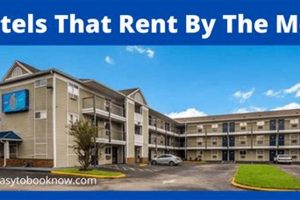
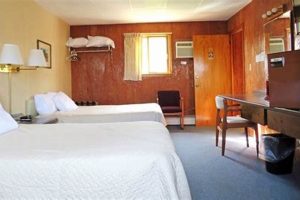
Extended hotel stays differ from traditional vacation stays. This type of accommodation often serves individuals in transition, whether between homes, experiencing displacement due to circumstances, or employed in temporary work arrangements requiring mobility. For example, traveling nurses, project-based contractors, or individuals awaiting the completion of home renovations might find this form of housing suitable.
The significance of this housing option lies in its flexibility and convenience. It provides readily available shelter and amenities without long-term leases or significant upfront costs. Historically, such establishments catered primarily to road travelers, but their role has evolved to accommodate a broader range of needs, offering a practical solution for short-term and transitional housing. This adaptability makes them a crucial component of the housing landscape.
Exploring the nuances of this lifestyle requires delving into topics such as cost considerations, legal frameworks governing extended stays, the social implications for residents, and available resources for those seeking alternative housing options. A comprehensive examination of these aspects will provide a clearer understanding of this increasingly prevalent form of accommodation.
Tips for Extended Hotel Stays
Careful planning and resourcefulness can significantly improve the experience of residing in hotels for extended periods. The following tips offer practical guidance for navigating this unique living situation.
Tip 1: Negotiate Rates. Hotels often offer discounted weekly or monthly rates for longer stays. Inquiring about these options and comparing prices across different establishments can lead to significant cost savings.
Tip 2: Consider Amenities. Features like in-room kitchenettes, laundry facilities, and on-site gyms can enhance comfort and reduce expenses. Prioritizing these amenities can make a substantial difference in the quality of life.
Tip 3: Establish a Routine. Maintaining a regular schedule for meals, work, and leisure can provide a sense of normalcy and stability within a temporary living environment. This structure can be particularly beneficial for those working remotely or managing families.
Tip 4: Explore Local Resources. Libraries, community centers, and parks offer access to free Wi-Fi, recreational activities, and social interaction. Utilizing these resources can alleviate feelings of isolation and provide valuable connections.
Tip 5: Maintain Security. Using room safes for valuables and being mindful of personal belongings in public areas are crucial for ensuring personal safety and preventing theft.
Tip 6: Address Mail and Packages. Arranging for mail forwarding or using a virtual mailbox service can ensure important correspondence and deliveries are received reliably.
Tip 7: Understand Hotel Policies. Familiarizing oneself with guest policies regarding noise levels, visitors, and pet accommodations is essential for avoiding potential conflicts and ensuring a smooth stay.
By implementing these strategies, individuals can create a more comfortable, efficient, and secure environment during extended hotel stays. Proactive planning and informed decision-making contribute significantly to a positive experience.
Understanding the practicalities of longer-term hotel living provides valuable insights into adapting to this lifestyle. This knowledge ultimately empowers individuals to make the most of their situation and navigate the challenges effectively.
1. Cost

Cost represents a central factor influencing the feasibility and sustainability of motel living. Understanding the various cost components and their potential impact is crucial for individuals considering this housing option. Budgeting and financial planning are essential for navigating the complexities of this lifestyle.
- Daily and Weekly Rates
Motel rates fluctuate based on location, season, and demand. Daily rates can accumulate rapidly, while weekly rates often offer a slight discount. For example, a motel in a rural area might charge $50 per night, resulting in a weekly cost of $350, whereas a motel in a city center might charge $75 per night, leading to a weekly cost of $525. Comparing rates and negotiating discounts are crucial for managing expenses.
- Incidental Expenses
Beyond the room rate, additional expenses can significantly impact the overall cost. These include meals, laundry, transportation, and personal care items. Preparing meals using a kitchenette or microwave can reduce restaurant costs. Utilizing public transportation or ride-sharing services can offset vehicle ownership expenses. Careful budgeting and resourcefulness are essential for minimizing incidental costs.
- Hidden Costs
Certain costs associated with motel living may not be immediately apparent. These can include Wi-Fi charges, parking fees, pet fees, and security deposits. Inquiring about these potential expenses upfront can prevent unexpected financial burdens. Understanding the full range of costs associated with motel living allows for more effective financial planning. For instance, a motel might charge a daily parking fee, adding a significant amount to the monthly expense.
- Long-Term Affordability
While motel living might appear cost-effective in the short term, the cumulative expenses can surpass those of traditional rental housing over time. Evaluating long-term affordability and exploring alternative housing options are important steps in ensuring financial stability. For example, renting an apartment, even with a security deposit and utilities, might prove more economical than extended motel stays. A thorough cost analysis is essential for making informed decisions.
The financial aspects of motel living require careful consideration. Balancing costs against convenience and necessity requires proactive planning and informed decision-making. Understanding the nuances of motel expenses empowers individuals to navigate this housing option effectively and make choices that align with their long-term financial goals.
2. Legality

Legal parameters surrounding extended motel stays vary significantly depending on jurisdiction and specific circumstances. These regulations impact both motel operators and residents, shaping the dynamics of this form of housing. Understanding these legal frameworks is crucial for navigating the complexities of long-term motel residency.
Residential Tenancy Laws: In some jurisdictions, residing in a motel for an extended period may trigger residential tenancy laws. These laws afford residents certain rights and protections, such as formal eviction procedures and limitations on rent increases. However, the threshold at which a motel stay transitions to a tenancy varies, and misinterpretations can lead to legal disputes. For example, a resident who has lived in a motel for several months might be considered a tenant under local laws, entitled to the same protections as apartment renters. Motel operators must adhere to these regulations to avoid legal challenges. Residents, in turn, need to be aware of their rights and responsibilities under these laws.
Occupancy Limits and Safety Codes: Motels are subject to occupancy limits and safety regulations, often stricter than those applied to traditional housing. These regulations address fire safety, sanitation, and maximum occupancy per room, aiming to protect residents’ well-being. Violations can lead to fines or closures, impacting both operators and residents. For instance, exceeding the maximum occupancy limit in a motel room could result in penalties for both the residents and the motel management. Compliance with these regulations ensures a safe and legally sound living environment.
Zoning Ordinances: Local zoning ordinances may restrict the use of motels for long-term residency. These ordinances aim to preserve the character of neighborhoods and regulate housing density. Non-compliance can result in legal action against motel operators. Residents might face displacement if the motel is forced to cease operations due to zoning violations. Understanding local zoning regulations is essential for both motel operators and long-term residents.
Navigating the legal landscape surrounding extended motel stays requires awareness of local ordinances and tenant rights. Both motel operators and residents must understand and comply with applicable regulations to ensure a legally sound and stable living arrangement. This knowledge fosters a more secure and sustainable housing environment within the context of motel living.
3. Location

The location of a motel significantly influences the experience of those residing there for extended periods. Access to essential services, employment opportunities, transportation networks, and community resources are all shaped by geographical context. Careful consideration of location is paramount when selecting a motel for long-term accommodation.
- Proximity to Amenities
Access to grocery stores, pharmacies, healthcare facilities, and other essential services is a critical factor in motel selection. A motel situated near these amenities offers greater convenience and reduces reliance on transportation. For example, a motel within walking distance of a grocery store allows residents to purchase food easily without needing a car. Conversely, a motel located in a remote area might necessitate frequent and costly trips for essential supplies.
- Transportation Options
Available transportation options significantly impact residents’ ability to access employment, education, and other necessary services. Motels located near public transportation hubs or major roadways offer greater mobility and reduce transportation costs. A motel near a bus stop or train station provides convenient access to employment centers, while a motel situated far from public transportation might limit job opportunities or necessitate car ownership, adding to the financial burden.
- Safety and Security
The surrounding neighborhood significantly impacts residents’ safety and security. Motels in high-crime areas present increased risks of theft, violence, and other security concerns. Conversely, motels located in safer neighborhoods offer greater peace of mind and a more secure living environment. Researching crime statistics and considering the overall safety of the area are essential steps in motel selection.
- Community Resources
Access to community resources, such as libraries, parks, and community centers, can enhance residents’ quality of life. These resources offer free Wi-Fi, recreational opportunities, and social interaction, mitigating potential feelings of isolation. A motel near a public library provides access to internet and educational resources, while a motel located near a park offers opportunities for recreation and relaxation.
Location plays a pivotal role in shaping the overall experience of long-term motel residency. Careful evaluation of proximity to amenities, transportation options, safety considerations, and community resources is crucial for selecting a motel that meets individual needs and enhances quality of life. A well-chosen location can contribute significantly to a more positive and sustainable living situation.
4. Community
The concept of community within the context of extended motel stays presents a unique paradox. While motels often house individuals from diverse backgrounds and circumstances, fostering a sense of shared experience, the transient nature of this housing arrangement can simultaneously inhibit the formation of deep or lasting connections. This dynamic creates a complex social landscape characterized by both opportunity and isolation.
The shared experience of residing in a motel can foster a sense of camaraderie among residents. Facing similar challenges related to temporary housing, individuals may find support and understanding within this shared context. For example, families experiencing homelessness might find solace in connecting with others facing similar struggles, sharing resources and emotional support within the motel environment. Conversely, the transient nature of motel living can create a sense of anonymity and detachment. Residents may be reluctant to form close relationships knowing their stay is temporary. This can lead to feelings of isolation, particularly for individuals lacking established social networks outside the motel. A traveling worker, for instance, might find it challenging to establish meaningful connections within the motel community due to the short-term nature of their stay, potentially exacerbating feelings of loneliness and detachment.
Understanding the complexities of community within the context of motel living is crucial for developing supportive services and resources. Recognizing the potential for both connection and isolation allows for tailored interventions that address the specific needs of this population. This understanding can inform the development of community-building programs within motels, facilitating social interaction and fostering a sense of belonging among residents, ultimately contributing to a more positive and supportive living environment. Addressing the social challenges inherent in extended motel stays requires acknowledging the transient nature of this housing arrangement while simultaneously fostering opportunities for connection and support within the existing framework. This approach recognizes the inherent human need for belonging and seeks to create a more inclusive and supportive environment for those residing in motels for extended periods.
5. Safety
Safety represents a paramount concern for individuals residing in motels for extended periods. The environment often presents unique security challenges distinct from traditional housing situations. Understanding these challenges and implementing appropriate safety measures are crucial for mitigating risks and ensuring personal well-being.
Several factors contribute to potential safety vulnerabilities within motels. Transient populations and high turnover rates can create an environment where anonymity facilitates criminal activity. Limited security measures, such as inadequate lighting, insufficient surveillance systems, and lack of on-site security personnel, can further heighten risks. For example, a motel with exterior entrances directly accessible from parking lots might be more vulnerable to break-ins than a motel with interior corridors and controlled access points. Similarly, inadequate lighting in parking lots or common areas can create opportunities for assaults or robberies. Moreover, the close proximity of rooms and shared common areas can increase the risk of theft or interpersonal conflicts. A resident leaving valuables visible through a window, for instance, might become a target for theft. Noise complaints or disputes between residents can also escalate, creating an unsafe environment.
Mitigating safety risks within motels requires a multi-faceted approach. Choosing motels with robust security features, such as well-lit parking lots, surveillance cameras, and secure entry systems, is a crucial first step. Implementing personal safety practices, such as using room safes for valuables, locking doors and windows, and being mindful of surroundings, further enhances security. Reporting suspicious activity to motel management and local authorities contributes to a safer environment for all residents. Furthermore, understanding local crime statistics and choosing motels located in safer neighborhoods can significantly reduce risks. Ultimately, a proactive and informed approach to safety is essential for mitigating vulnerabilities and ensuring a secure living environment within the context of extended motel stays.
Frequently Asked Questions about Extended Motel Stays
This section addresses common inquiries regarding extended motel stays, providing factual information and clarifying potential misconceptions. Understanding these frequently asked questions can assist individuals in making informed decisions about this housing option.
Question 1: How does one find motels offering extended stay rates?
Many motels advertise extended stay rates online or through direct inquiries. Online travel agencies and specialized websites often feature listings specifically catering to longer-term stays. Contacting motel chains or individual properties directly can also yield information on available discounts and special rates.
Question 2: What are the typical lease agreements or terms for extended stays?
Lease agreements for extended motel stays vary widely. Some motels operate on a week-to-week basis, while others offer monthly rates with more formal agreements. Clarifying the terms and conditions of the stay upfront, including payment schedules, cancellation policies, and any applicable penalties, is crucial.
Question 3: Are there specific regulations governing extended stays in motels?
Regulations governing extended motel stays vary by jurisdiction. Some localities consider stays exceeding a specific duration as residential tenancies, triggering tenant rights and responsibilities. Researching local ordinances and consulting with legal professionals can provide clarity on applicable regulations.
Question 4: What are the advantages and disadvantages of extended motel stays compared to traditional rentals?
Advantages of extended motel stays include flexibility, lack of long-term leases, and often, the inclusion of utilities and amenities. Disadvantages include potentially higher costs over time, limited space, and reduced privacy. Carefully weighing these factors against individual needs and circumstances is essential.
Question 5: What resources are available to those struggling to afford long-term motel stays?
Several resources exist to assist individuals facing financial challenges related to extended motel stays. Local social service agencies, non-profit organizations, and government programs often provide housing assistance, financial aid, and referrals to affordable housing options.
Question 6: How can one maintain a sense of stability and routine while living in a motel long-term?
Establishing a daily routine, creating a designated workspace, maintaining connections with social networks, and utilizing community resources can foster a sense of stability and normalcy within the motel environment. Prioritizing self-care and seeking support when needed are crucial for maintaining well-being during extended stays.
Understanding the nuances of extended motel stays requires careful consideration of various factors, including cost, legality, location, community dynamics, and safety. This knowledge empowers individuals to make informed decisions and navigate this unique housing situation effectively.
For further exploration on related topics, please continue to the next section.
Conclusion
Examination of extended motel stays reveals a complex housing dynamic shaped by factors such as affordability, legal frameworks, location-based access, community interactions, and safety considerations. While offering flexibility and convenience, particularly for those in transition, this form of accommodation presents unique challenges requiring careful navigation. Cost analysis, awareness of applicable regulations, and strategic location selection are essential for mitigating potential difficulties.
The evolving role of motels within the broader housing landscape necessitates ongoing evaluation and adaptation. Addressing the specific needs of long-term residents, including access to support services and resources, is crucial for fostering a more sustainable and equitable housing environment. Further research and policy development are essential to ensure that this increasingly prevalent form of housing adequately serves the needs of those who rely upon it.