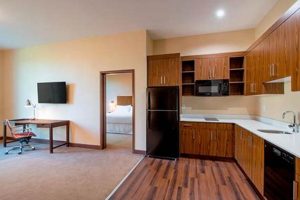
Residing in hotel accommodations for an extended period, rather than a typical overnight stay, involves establishing a temporary home base. This can range from a few weeks to months, or even years, and often involves using the hotel as a primary residence. For example, individuals might opt for this during a relocation, home renovation, or extended business trip.
This practice offers several advantages, including convenience, flexibility, and access to amenities such as housekeeping, room service, and on-site facilities like gyms and restaurants. Historically, extended hotel stays were primarily associated with affluent travelers or those in the entertainment industry. However, with evolving lifestyles and the rise of remote work, this housing option has become increasingly popular across a broader demographic seeking both comfort and practicality. It provides a solution for those requiring temporary or flexible housing without the commitment of a traditional lease.
The following sections will explore the various facets of longer-term hotel residency, covering topics such as cost considerations, legal aspects, suitable hotel selection, and the practicalities of daily living within this unique environment. Further discussion will analyze the psychological and social implications of this lifestyle choice, comparing it to traditional housing models.
Tips for Extended Hotel Stays
Careful planning and consideration are essential for successful long-term hotel living. The following tips offer guidance for navigating this unique housing arrangement.
Tip 1: Negotiate Rates. Hotels often offer discounted rates for extended stays. Discussing potential discounts upfront can lead to significant savings. Corporate rates or weekly/monthly packages might also be available.
Tip 2: Consider Location and Amenities. Proximity to essential services like grocery stores, pharmacies, and transportation is crucial. Evaluate on-site amenities such as laundry facilities, kitchenettes, fitness centers, and business centers based on individual needs.
Tip 3: Understand Hotel Policies. Review policies regarding guests, pets, package deliveries, and quiet hours to ensure compatibility with one’s lifestyle and avoid potential conflicts.
Tip 4: Maintain Communication with Hotel Staff. Open communication with hotel staff regarding any issues or special requests can contribute to a smoother, more comfortable experience. Building rapport can also be beneficial.
Tip 5: Pack Strategically. While packing light is always advisable, extended stays require a balance between minimalism and having necessary personal items. Consider storage solutions within the room to maintain organization.
Tip 6: Establish a Routine. Maintaining a regular schedule for meals, work, and leisure activities can provide structure and prevent feelings of displacement or disorientation often associated with temporary living arrangements.
Tip 7: Explore Local Resources. Take advantage of local services and resources such as libraries, community centers, and parks to enhance the living experience and foster a sense of connection within the temporary environment.
By adhering to these guidelines, individuals can maximize the benefits of extended hotel stays, transforming a temporary accommodation into a comfortable and productive environment.
In conclusion, adapting to and thriving in a hotel environment for an extended period requires proactive planning and a clear understanding of both the advantages and potential challenges. The insights provided throughout this article offer a comprehensive framework for successful long-term hotel living.
1. Cost

Cost represents a significant factor in the feasibility and long-term sustainability of extended hotel stays. Daily room rates accumulate rapidly, and seemingly small incidental expenses, such as meals, laundry services, and transportation, can contribute substantially to the overall financial burden. The cumulative cost often exceeds that of traditional rental agreements, particularly for longer durations. Therefore, a comprehensive budget that accounts for all potential expenditures, including unforeseen circumstances, is essential. For example, a business traveler relocating for a six-month project must factor in not only the nightly rate but also the cost of meals, transportation to and from the office, and potential business-related expenses. Ignoring these ancillary costs can lead to financial strain and potentially jeopardize the viability of the arrangement.
Furthermore, the cost-benefit analysis of extended hotel stays must consider the value proposition offered. While the convenience and flexibility of hotel living can be appealing, the associated premium might outweigh the benefits for some. Factors such as included amenities, the availability of discounted long-term rates, and the overall cost of living in the chosen location all play a role in this equation. For instance, a family seeking temporary housing during a home renovation might find the cost of an extended hotel stay prohibitive compared to a short-term furnished apartment, particularly if kitchen facilities are a necessity. Careful evaluation of alternatives is, therefore, a crucial step in the decision-making process.
In conclusion, managing costs effectively is paramount for successful long-term hotel living. Thorough budgeting, awareness of potential expenses, and a comprehensive cost-benefit analysis are vital for making informed decisions and ensuring the financial viability of this housing strategy. Failure to address cost considerations adequately can lead to unexpected financial difficulties and compromise the overall experience. Understanding the financial implications empowers individuals to make realistic choices and navigate the complexities of extended hotel stays successfully.
2. Location
The location of a hotel significantly influences the experience of long-term residents. Strategic location selection hinges on factors including proximity to essential services, transportation options, and the surrounding environment. A well-chosen location can enhance convenience, reduce stress, and contribute to a more positive overall experience.
- Proximity to Amenities
Easy access to grocery stores, pharmacies, restaurants, and other essential services streamlines daily life. For example, a hotel near a grocery store simplifies meal preparation for those utilizing in-room kitchenettes, while proximity to a pharmacy is crucial for managing prescriptions and health needs. A central location minimizes travel time and associated costs, improving overall convenience.
- Transportation Access
Reliable transportation options are vital for maintaining connectivity and accessing employment, leisure activities, and social engagements. Proximity to public transportation hubs, major roadways, or ride-sharing services offers flexibility and reduces reliance on personal vehicles. For instance, a hotel near a subway station enables easy exploration of a city without the expense and hassle of parking. Effective transportation access enhances mobility and expands opportunities for residents.
- Neighborhood Environment
The character of the surrounding neighborhood contributes significantly to the quality of life. Factors such as safety, noise levels, and access to green spaces influence the overall living experience. A quiet, residential area might be preferable for families, while a vibrant, bustling downtown location might suit young professionals. Choosing a location compatible with individual preferences and lifestyle enhances comfort and well-being.
- Business and Leisure Considerations
The hotel’s location should align with the resident’s primary purpose for an extended stay. Business travelers benefit from proximity to corporate offices, conference centers, and co-working spaces. Those seeking leisure-oriented stays might prioritize locations near tourist attractions, entertainment venues, or recreational areas. Aligning location with individual needs and priorities optimizes the overall experience and facilitates a productive and enjoyable stay.
Careful consideration of location, encompassing these key facets, ensures compatibility with individual needs and contributes significantly to a successful long-term hotel stay. Selecting a hotel in a suitable location enhances convenience, reduces stress, and fosters a more positive and productive living experience. A strategic approach to location selection is an investment in overall well-being and the success of the extended stay.
3. Amenities

The range and quality of amenities significantly influence the practicality and comfort of long-term hotel stays. These amenities bridge the gap between a temporary visit and a more permanent living arrangement. The availability of specific amenities can be the deciding factor for individuals choosing a hotel for an extended period. For example, the presence of in-room kitchenettes allows residents to prepare meals, reducing reliance on restaurant dining and potentially lowering overall food costs. Similarly, on-site laundry facilities offer convenience and eliminate the need for external laundry services. Fitness centers enable residents to maintain exercise routines without external gym memberships. These seemingly small conveniences contribute significantly to the overall livability of a hotel environment. Consider a consultant on a year-long project: access to a well-equipped business center with printing and meeting room facilities can be crucial for professional productivity.
Furthermore, the nature of amenities available caters to different demographics and needs. Families might prioritize hotels with swimming pools, children’s play areas, and connecting rooms. Business travelers often require reliable high-speed internet access, comfortable workspaces, and 24-hour concierge services. Digital nomads might seek hotels with co-working spaces, quiet zones, and ample charging stations. The alignment of available amenities with individual needs directly impacts the quality of the long-term stay experience. Someone relocating due to a natural disaster, for example, might prioritize hotels with on-site laundry facilities and pet-friendly policies, reflecting their immediate practical needs. Understanding the interplay between individual requirements and the specific amenities offered by a hotel is crucial for selecting suitable accommodations and ensuring a comfortable experience.
In conclusion, careful consideration of amenities is essential when planning an extended hotel stay. Amenities transform a temporary accommodation into a functional living space, bridging the gap between a hotel and a home. The availability of specific amenities caters to diverse needs, influencing the practicality, comfort, and overall success of long-term hotel living. Evaluating amenities based on individual circumstances allows for informed decision-making and contributes to a positive and productive experience. This awareness empowers individuals to choose accommodations that best support their lifestyle and optimize their extended stay.
4. Legalities

Navigating the legal landscape associated with extended hotel stays requires careful attention to often overlooked aspects. While seemingly straightforward, residing in a hotel for an extended period can trigger legal considerations related to residency, taxes, and contractual obligations. Understanding these complexities is crucial for ensuring a smooth and legally compliant experience. Overlooking these details can lead to unforeseen complications, ranging from tax liabilities to disputes with hotel management.
- Residency Requirements
Establishing legal residency can become ambiguous during extended hotel stays. Factors such as the length of stay, intention to return to a primary residence, and registration with local authorities determine residency status. This impacts eligibility for local services, voting rights, and tax obligations. For instance, an individual staying in a hotel for several months while working on a temporary project might be considered a resident for tax purposes in that jurisdiction. Understanding local residency requirements is vital for compliance and avoiding legal issues.
- Tax Implications
Extended hotel stays can trigger tax obligations depending on local regulations and the length of stay. Occupancy taxes, similar to those levied on shorter hotel stays, might apply. Additionally, exceeding a specific duration of stay can trigger residency-based taxes. For example, a consultant living in a hotel for a year-long project might be liable for income tax in that jurisdiction. Consulting with a tax advisor is recommended to understand potential tax liabilities and ensure compliance.
- Contractual Obligations
The contractual agreement between the guest and the hotel governs the terms of the stay, including payment schedules, cancellation policies, and acceptable conduct within the hotel. Long-term stays often involve specific contractual arrangements distinct from standard overnight stays. Understanding the terms and conditions of the agreement, particularly regarding early termination or dispute resolution, is essential for protecting one’s rights and avoiding potential legal conflicts. For instance, a guest who needs to terminate an extended stay unexpectedly should be aware of the hotel’s cancellation policy to avoid financial penalties.
- Liability and Insurance
Standard hotel insurance policies might not adequately cover long-term residents. Personal belongings, liability for accidents, and medical coverage require separate consideration. Renters insurance or specific long-term stay insurance policies can provide appropriate coverage for personal property and liability. Understanding the limitations of standard hotel insurance and securing appropriate coverage is essential for mitigating potential risks associated with extended stays. For instance, a guest whose laptop is stolen from their hotel room might not be fully covered by the hotel’s insurance and would benefit from a personal insurance policy.
Understanding these legal facets is crucial for anyone contemplating or currently engaged in an extended hotel stay. Addressing these legal complexities proactively ensures a smooth, compliant, and stress-free experience. Failure to consider these aspects can lead to significant legal and financial ramifications. By navigating these legal considerations effectively, individuals can focus on the practical aspects of their extended stay and make informed decisions that protect their rights and interests.
5. Lifestyle

Lifestyle considerations are paramount when evaluating the suitability of extended hotel stays. The transition from traditional housing to hotel living necessitates adaptation and careful evaluation of daily routines, social interactions, and overall well-being. Aligning lifestyle preferences with the realities of hotel living is crucial for a successful and fulfilling experience.
- Routine and Structure
Maintaining established routines, encompassing work schedules, meal times, and leisure activities, provides a sense of normalcy and stability within the transient environment of a hotel. This structure is especially important for those working remotely or managing families. For example, designating a specific area within the room as a workspace helps maintain focus and productivity. Similarly, establishing regular meal times, even within the confines of a hotel room, promotes healthy habits and prevents disruption to daily rhythms.
- Social Interaction and Community
The inherent transience of hotel living can impact social interactions and community engagement. Opportunities for social connection might be limited compared to traditional neighborhoods. Actively seeking opportunities for interaction, such as joining local groups or utilizing communal hotel spaces, can mitigate feelings of isolation. For example, attending hotel-organized events or engaging with staff and other long-term residents can foster a sense of community. Maintaining connections with existing social networks through regular communication is also vital.
- Privacy and Personal Space
Hotel living often involves a compromise on personal space and privacy compared to traditional housing. The close proximity to other guests and limited space within hotel rooms require adaptation and strategies for maintaining personal boundaries. For instance, utilizing noise-canceling headphones or establishing clear communication with roommates regarding quiet hours can enhance privacy. Selecting hotels with room configurations that offer adequate personal space, such as suites or connecting rooms, can also be beneficial.
- Mental and Physical Well-being
Maintaining mental and physical well-being requires proactive effort within the context of extended hotel stays. Access to exercise facilities, healthy meal options, and opportunities for relaxation are crucial. For example, utilizing hotel gyms or exploring nearby parks for exercise can promote physical health. Establishing a dedicated relaxation routine, such as meditation or reading, within the hotel room can support mental well-being. Maintaining healthy habits within the confines of a hotel environment contributes significantly to overall quality of life.
Adapting one’s lifestyle to the realities of extended hotel stays is crucial for a positive and productive experience. Addressing these lifestyle considerations proactively allows individuals to navigate the challenges and maximize the benefits of this unique living arrangement. By understanding the potential impact on routines, social interactions, privacy, and well-being, individuals can make informed decisions and create a comfortable and fulfilling experience within the hotel environment. Ultimately, a successful extended hotel stay requires a conscious effort to adapt and thrive within this non-traditional setting.
Frequently Asked Questions
This section addresses common inquiries regarding extended hotel stays, providing clarity on practical aspects and potential concerns.
Question 1: How do negotiated rates for extended stays differ from standard nightly rates?
Negotiated rates typically offer substantial discounts compared to standard nightly rates, reflecting the commitment to a longer-term stay. These discounts can vary significantly depending on the hotel, the length of stay, and the time of year.
Question 2: What essential amenities should one look for when selecting a hotel for an extended stay?
Essential amenities vary based on individual needs but often include in-room kitchenettes, laundry facilities, reliable high-speed internet access, and comfortable workspaces. Other desirable amenities include fitness centers, business centers, and on-site dining options.
Question 3: What legal documentation is required for extended hotel stays?
Standard identification documentation is typically required. Additional documentation might be necessary for stays exceeding a certain duration, depending on local regulations and hotel policies. Proof of income or a valid credit card may also be required to secure the reservation.
Question 4: How does mail and package delivery function during an extended hotel stay?
Most hotels offer mail and package handling services for guests. It is advisable to confirm specific procedures with the hotel prior to arrival. Registering with a virtual mailbox service can provide a more permanent mailing address if necessary.
Question 5: What are the typical check-in/check-out procedures for long-term hotel guests?
Check-in/check-out procedures vary by hotel. Some hotels offer streamlined procedures for long-term guests, while others maintain standard processes. Confirming the specific procedures with the hotel beforehand is recommended.
Question 6: What security measures should one consider during an extended hotel stay?
Utilizing in-room safes for valuables, ensuring the door is securely locked when leaving the room, and reporting any suspicious activity to hotel staff are essential security precautions. Familiarizing oneself with hotel emergency procedures is also recommended.
Careful consideration of these frequently asked questions provides valuable insights for individuals planning an extended hotel stay. Addressing these practical aspects proactively facilitates a smooth and informed decision-making process.
The subsequent section will delve into specific case studies and real-world examples of individuals who have successfully navigated the complexities of long-term hotel living.
Long-Term Hotel Living
This exploration of extended hotel stays has provided a comprehensive overview of the key considerations involved in this increasingly prevalent housing strategy. From the financial implications and logistical planning to the legal complexities and lifestyle adjustments, navigating long-term hotel residency requires careful consideration of numerous factors. The analysis of location, amenities, and the importance of aligning personal needs with available resources underscores the multifaceted nature of this lifestyle choice. Successfully transitioning to and thriving within a hotel environment demands proactive planning, informed decision-making, and a realistic assessment of both the advantages and potential challenges.
Ultimately, the decision to reside in a hotel for an extended period represents a unique solution for specific housing needs. Careful evaluation of the factors discussed throughout this exploration empowers individuals to make informed choices aligned with their individual circumstances and objectives. The evolving landscape of housing options continues to present diverse solutions, and long-term hotel living offers a distinct alternative within this dynamic market. Further research and analysis of emerging trends within the hospitality industry will undoubtedly shed additional light on the future trajectory of extended hotel stays and their role in meeting evolving housing needs.