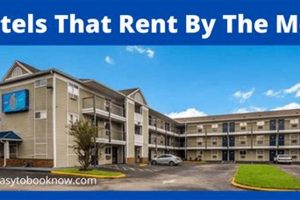
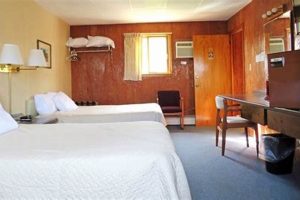
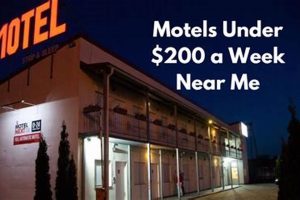
Extended-stay housing in motels offers a form of temporary accommodation, distinct from hotels designed for shorter visits. While hotels often prioritize amenities like restaurants and conference spaces, motels typically provide more basic accommodations, frequently including kitchenettes for self-catering. This type of lodging can serve individuals experiencing housing transitions, seeking affordable options, or needing a place to stay during relocation or project work.
The availability of longer-term motel residency provides a practical solution for various housing needs. It offers flexibility, often requiring no long-term leases or extensive background checks. Historically, motels played a significant role in supporting roadside travel and provided lodging for those on the move. The evolution of this lodging option has led to a wider range of services and amenities catering to longer-term guests. This adaptability contributes to housing affordability and accessibility.
This exploration will delve into the practicalities, legalities, and societal implications of extended motel stays. Topics covered will include cost considerations, legal frameworks, lifestyle adaptations, and the broader context of this housing choice within the larger spectrum of housing options.
Tips for Extended Motel Stays
Careful planning and consideration are essential for successful long-term motel residency. The following tips provide guidance for navigating this unique housing situation.
Tip 1: Research Local Ordinances: Regulations regarding extended stays vary by jurisdiction. Thorough research into local laws and motel policies is crucial before committing to a long-term arrangement.
Tip 2: Budget Wisely: While often more affordable than traditional rentals, extended motel stays require careful budgeting. Factor in costs beyond the daily or weekly rate, such as laundry, food, and transportation.
Tip 3: Consider Amenities: Evaluate available amenities carefully. Kitchenette facilities, laundry access, and internet connectivity can significantly impact long-term comfort and practicality.
Tip 4: Prioritize Safety and Security: Assess the safety and security features of the motel and its surrounding area. Inquire about security measures like surveillance cameras and on-site personnel.
Tip 5: Maintain Communication with Management: Open communication with motel management is essential. Address any concerns promptly and maintain a positive relationship.
Tip 6: Organize and Optimize Living Space: Efficient organization is key in a smaller living space. Utilize storage solutions and maintain tidiness for a more comfortable environment.
Tip 7: Respect Motel Policies and Fellow Guests: Adhering to motel policies and demonstrating consideration for other guests ensures a harmonious living environment for everyone.
By following these guidelines, individuals can navigate extended motel stays more effectively, maximizing comfort and minimizing potential challenges. Careful preparation and proactive communication contribute significantly to a positive experience.
This information provides practical advice for those considering or currently undertaking extended motel stays. The concluding section will summarize key findings and offer final recommendations.
1. Legality
Legality plays a crucial role in determining whether extended motel stays are permissible. Local ordinances govern the duration of stays allowed in establishments classified as motels or hotels. Some jurisdictions explicitly prohibit using motels as permanent residences, enforcing time limits ranging from a few weeks to several months. Exceeding these limits can result in eviction or legal penalties. Conversely, some areas may have less stringent regulations or permit longer-term stays under specific conditions, such as proof of ongoing housing searches or temporary employment assignments. The absence of a standardized national framework necessitates diligent research into local regulations before committing to an extended motel stay. For instance, a municipality might classify stays beyond 30 days as residential, triggering different legal and tax requirements. Another locality might allow indefinite stays but require registration with local authorities after a certain period.
Understanding the legal landscape surrounding extended motel stays is essential for both motel operators and individuals seeking longer-term accommodations. Motel operators risk penalties for non-compliance if they permit guests to exceed legal stay limits. Individuals face potential eviction and disruption if they unknowingly violate local ordinances. Moreover, establishing legal residency, crucial for accessing social services and exercising voting rights, generally requires a permanent address, which an extended motel stay might not fulfill. This distinction impacts access to public resources and can create legal complexities. For example, individuals relying on mail delivery for essential documents might encounter difficulties if a motel address is not considered a valid residential address. Similarly, registering children for school often necessitates proof of residency, posing challenges for families utilizing motels for extended periods.
In summary, the legal permissibility of long-term motel residency hinges on local regulations, which vary significantly. Compliance with these regulations protects both motel operators and occupants from legal repercussions. Furthermore, the legal definition of residency impacts access to essential services and rights, emphasizing the need for careful consideration of the legal implications associated with extended motel stays. Navigating these legal complexities requires proactive research and adherence to local ordinances, ensuring a lawful and stable housing arrangement. This knowledge empowers individuals to make informed decisions and avoid potential legal pitfalls associated with long-term motel residency.
2. Affordability

Affordability often serves as a primary driver for considering extended motel stays. Compared to traditional rental housing, motels typically require no security deposit or lease signing, reducing upfront costs significantly. The daily or weekly rates, while accumulating over time, can appear less daunting than monthly rent and utility payments. This perceived affordability can be particularly appealing to individuals experiencing financial hardship, transitioning between jobs, or facing unexpected housing crises. For example, someone between jobs might find a motel’s flexible payment structure more manageable than committing to a long-term lease. A family displaced by a natural disaster might utilize a motel as temporary housing while awaiting insurance settlements or alternative housing arrangements.
However, the long-term affordability of extended motel stays warrants careful evaluation. While daily rates might appear lower, the cumulative cost over weeks or months can exceed traditional rental expenses. Additional expenses often overlooked include meals, laundry, and transportation. Limited cooking facilities often necessitate reliance on restaurant meals, increasing food costs. Frequent laundry expenses contribute to the overall financial burden. Furthermore, the lack of a stable address can hinder employment opportunities and access to social services, potentially exacerbating financial instability. For instance, someone working a minimum wage job might find that the cost of an extended motel stay consumes a disproportionate share of their income, leaving little for other necessities. A family relying on public transportation might incur significant costs traveling to work or school from a motel located outside urban centers.
In conclusion, while the initial cost of motel stays can appear attractive, long-term affordability requires a comprehensive assessment of all associated expenses. The absence of lease agreements and security deposits offers short-term financial relief, but the cumulative daily or weekly costs, coupled with additional expenses for meals, laundry, and transportation, can quickly surpass the cost of traditional rentals. Moreover, the potential impact on employment and access to social services can further exacerbate financial challenges. Therefore, a realistic evaluation of long-term financial implications is essential before considering extended motel stays as a viable housing solution. Individuals must weigh the perceived short-term affordability against the potential for long-term financial strain.
3. Safety

Safety represents a critical concern when evaluating the viability of extended motel stays. Several factors contribute to potential safety risks, including location, security measures, and the transient nature of motel populations. Motels situated in high-crime areas expose residents to elevated risks of theft, vandalism, and personal harm. Limited security measures, such as inadequate lighting, lack of surveillance cameras, or insufficient on-site personnel, further heighten vulnerability. The transient nature of motel populations can create an environment where individuals might feel less secure due to a lack of established community or social connections. For example, a motel located near a highway with limited exterior lighting and no on-site security personnel could present significant safety risks. Similarly, a motel with a high turnover rate and minimal guest screening processes might experience higher incidences of disruptive or criminal behavior.
Addressing safety concerns requires proactive measures from both motel operators and residents. Motel operators should invest in robust security systems, including well-lit exteriors, functioning surveillance cameras, and secure access control. Regular maintenance and prompt attention to safety-related repairs are essential. Implementing guest screening procedures and establishing clear policies regarding guest behavior can deter undesirable activities. Residents can enhance their personal safety by remaining vigilant about their surroundings, securing their belongings, and reporting suspicious activity to motel management or local authorities. Choosing motels located in safer areas and prioritizing those with demonstrable security measures can mitigate potential risks. For instance, selecting a motel with a gated entrance, on-site security personnel, and positive reviews regarding safety can contribute to a more secure living environment. Maintaining communication with motel management about any safety concerns and taking personal precautions, such as using deadbolt locks and keeping valuables out of sight, further enhances personal security.
In summary, safety considerations are paramount when assessing the suitability of extended motel stays. The location, security measures, and transient nature of motel populations can contribute to potential safety risks. Both motel operators and residents share a responsibility in mitigating these risks. Operators should prioritize investments in robust security systems and implement effective guest management practices. Residents should exercise vigilance, take personal safety precautions, and actively communicate any concerns to management or authorities. A thorough evaluation of safety factors and proactive measures from all stakeholders are essential for creating a secure and stable living environment within the context of extended motel stays. Ignoring these crucial aspects can jeopardize the well-being and security of residents, underscoring the importance of prioritizing safety in any extended stay housing arrangement.
4. Practicality
Practicality plays a significant role in determining the suitability of extended motel stays as a viable housing solution. Several key facets influence the overall practicality, impacting daily living, work, and social interactions. Evaluating these factors provides a comprehensive understanding of the practical implications of long-term motel residency.
- Location and Accessibility
Proximity to essential amenities, such as grocery stores, pharmacies, and public transportation, significantly impacts the practicality of a motel stay. A motel located far from essential services necessitates greater reliance on personal vehicles, increasing transportation costs and limiting access for those without private transportation. Furthermore, access to healthcare facilities and social services plays a crucial role, particularly for individuals with health conditions or requiring regular access to support services. For example, a motel located on the outskirts of town with limited public transportation access could create significant challenges for individuals seeking employment or accessing medical care. Conversely, a centrally located motel with easy access to public transportation and essential amenities offers greater practicality.
- Amenities and Facilities
The availability of in-room amenities, such as kitchenettes, laundry facilities, and internet access, directly impacts the practicality and comfort of extended stays. Kitchenettes allow for self-catering, reducing reliance on expensive restaurant meals. On-site laundry facilities minimize the inconvenience and cost of using external laundromats. Reliable internet access is crucial for maintaining communication, seeking employment, and accessing essential online resources. A motel lacking these essential amenities presents significant practical challenges for long-term residents. For example, a motel without internet access limits opportunities for remote work or online job searches. Similarly, the absence of a kitchenette necessitates frequent and costly restaurant meals, impacting overall affordability.
- Space and Functionality
The size and layout of motel rooms influence the practicality of daily living. Limited space can create challenges for storing personal belongings, accommodating families, and maintaining a comfortable living environment. The functionality of the space, including adequate storage, comfortable sleeping arrangements, and sufficient workspace, contributes significantly to the overall livability. Cramped or poorly designed spaces can negatively impact mental well-being and create practical challenges for daily routines. For instance, a small room with limited storage can become cluttered and uncomfortable, hindering productivity and impacting quality of life. A motel room lacking a designated workspace can make remote work or studying difficult.
- Social Environment and Community
The social environment within a motel and its surrounding community impacts the practicality of long-term residency. Limited opportunities for social interaction and a lack of community support can create feelings of isolation and alienation. Motels located in areas with limited social services or community resources can further exacerbate these challenges. Conversely, motels fostering a sense of community or located near community centers and support networks offer a more practical and supportive environment. For example, a motel with a communal area where residents can interact can foster a sense of belonging and provide opportunities for social connection. Access to nearby community centers or support groups can offer additional social and practical resources.
These facets of practicality collectively influence the suitability of extended motel stays as a long-term housing solution. While affordability might be a primary motivator, the practical implications of location, amenities, space, and social environment must be carefully considered. A comprehensive evaluation of these factors ensures a more informed decision, enabling individuals to weigh the practical limitations alongside the potential benefits of extended motel stays.
5. Comfort

Comfort significantly influences the viability of extended motel stays. While not typically associated with long-term living, motels present unique comfort challenges and considerations. Analyzing these factors provides valuable insights into the realities of long-term motel residency.
- Privacy
Motels often lack the soundproofing and privacy afforded by traditional residences. Thin walls and close proximity to neighboring rooms can lead to noise disturbances and a lack of personal privacy. This can disrupt sleep, create stress, and negatively impact overall well-being. For example, noise from adjacent rooms or nearby traffic can disrupt sleep patterns and create a sense of unease. Limited personal space within the room itself can further exacerbate feelings of confinement.
- Amenities and Furnishings
The quality and availability of amenities directly influence comfort levels. Basic furnishings, limited storage space, and lack of climate control can detract from the overall comfort of an extended stay. Uncomfortable bedding, insufficient seating, and inadequate lighting further contribute to a less desirable living environment. For instance, a room with a malfunctioning air conditioner during summer months can significantly impact comfort and sleep quality. Limited storage options can lead to clutter and disorganization, further diminishing comfort levels.
- Cleanliness and Hygiene
Maintaining cleanliness and hygiene can be challenging in a motel environment. Limited cleaning services and shared facilities, such as laundry rooms and restrooms, can pose hygiene concerns. The frequency of cleaning and the overall cleanliness of the motel significantly impact comfort levels. For example, infrequent cleaning or inadequate pest control can lead to unsanitary conditions and detract significantly from the comfort and well-being of residents. Shared laundry facilities might not always meet desired hygiene standards, creating further discomfort.
- Personal Space and Functionality
The limited space and functionality of a typical motel room can negatively impact long-term comfort. Lack of designated areas for work, relaxation, and storage creates challenges for daily living. Cramped quarters and limited furniture options can hinder productivity and create feelings of confinement. For instance, a lack of a designated workspace can make it difficult to perform work-related tasks or manage personal affairs effectively. Limited space for personal belongings can contribute to clutter and disorganization, impacting comfort and mental well-being.
These comfort considerations significantly impact the feasibility of “can you live in a motel” as a long-term housing solution. While affordability and location might be initial drivers, long-term comfort requires careful evaluation. Balancing practical needs with comfort expectations is essential for a successful extended motel stay. Ignoring these factors can lead to dissatisfaction and an unsustainable living situation.
6. Social Implications
Extended motel stays carry significant social implications, impacting individuals’ perceived status, access to community resources, and overall social integration. Understanding these societal perceptions and their practical consequences provides a comprehensive view of the social challenges associated with long-term motel residency.
- Stigma and Social Perception
Residing in a motel for extended periods can carry a social stigma, often associated with transience, instability, and economic hardship. This perception can lead to negative judgments and discrimination, affecting individuals’ self-esteem and social interactions. Potential employers might view motel residency negatively, impacting employment opportunities. Landlords might hesitate to rent to individuals with a history of motel stays. This societal stigma creates barriers to social mobility and reinforces existing inequalities. For example, a job applicant listing a motel as their address might face unconscious bias from potential employers, hindering their chances of securing employment.
- Social Isolation and Limited Community Integration
The transient nature of motel populations often limits opportunities for establishing meaningful social connections and community integration. Lack of shared spaces, limited social activities, and the absence of a stable neighborhood environment can contribute to social isolation. This isolation can negatively impact mental well-being and create difficulties accessing community resources and support networks. For instance, individuals residing in motels might lack access to community events, social gatherings, and local support systems, leading to feelings of loneliness and detachment.
- Access to Resources and Services
Establishing residency and accessing social services often requires a permanent address, which extended motel stays might not fulfill. This can create barriers to receiving essential services such as healthcare, education, and government assistance programs. Difficulties receiving mail and registering for essential services further complicate daily life. For example, families residing in motels might encounter challenges enrolling children in school due to residency requirements. Accessing healthcare services or receiving government benefits might also be hindered by the lack of a permanent address.
- Impact on Family Dynamics and Child Development
Extended motel stays can strain family dynamics and negatively impact child development. Limited space, lack of privacy, and the instability of the living situation can create stress and tension within families. Children growing up in motels might face challenges accessing stable education, forming peer relationships, and developing a sense of belonging. The transient environment can disrupt their education and social development. For example, children living in motels might experience difficulty completing homework assignments due to limited space and lack of a quiet study area. Frequent moves between motels can disrupt their education and make it challenging to form lasting friendships.
These social implications highlight the complex challenges associated with extended motel stays. While offering a temporary housing solution, the social stigma, isolation, and limited access to resources can create significant barriers to social integration and overall well-being. Understanding these social factors provides a more nuanced perspective on the realities of “can you live in a motel” as a long-term housing option, emphasizing the need for comprehensive support systems and addressing the underlying societal issues contributing to housing instability.
7. Long-Term Viability

Long-term viability as a housing solution hinges on several crucial factors, differentiating temporary motel stays from permanent residency. While short-term motel use offers flexibility and convenience, establishing long-term viability requires addressing practical, financial, and social considerations. The absence of a lease agreement, while initially advantageous, presents challenges for establishing stability and accessing specific social services. The transient nature of motel populations hinders community integration and the development of support networks. Financial constraints often associated with extended motel stays can impede long-term planning and perpetuate a cycle of housing instability. For example, an individual relying on a motel as long-term housing might encounter difficulties securing a loan or receiving certain government benefits due to the lack of a permanent address. Furthermore, the limited space and lack of privacy in motels can negatively impact mental and emotional well-being over extended periods.
Evaluating long-term viability necessitates considering alternative housing options. Comparing the cumulative costs of extended motel stays with rental options illuminates potential long-term financial implications. Exploring subsidized housing programs, shared housing arrangements, and other affordable housing initiatives offers pathways toward more stable housing solutions. Developing a comprehensive housing plan, including budgeting, savings goals, and realistic timelines, enhances the prospects of transitioning from motel residency to more permanent housing. For instance, an individual might realize that the cumulative cost of a year-long motel stay surpasses the cost of renting an apartment, prompting them to explore alternative housing options. Participating in job training programs or seeking financial assistance can further facilitate a transition to more stable housing.
In summary, assessing the long-term viability of motel living requires a realistic evaluation of its limitations. The lack of stability, limited social integration, and potential financial burdens associated with extended stays underscore the importance of exploring alternative housing pathways. Developing a proactive housing plan, considering available resources, and comparing long-term costs with other housing options empowers individuals to transition towards more secure and sustainable housing solutions. Recognizing these factors allows for informed decision-making and facilitates informed choices aligned with long-term housing goals.
Frequently Asked Questions
This section addresses common inquiries regarding extended motel stays, providing concise and informative responses.
Question 1: What is the typical cost of an extended motel stay?
Costs vary significantly based on location, motel quality, and length of stay. Weekly and monthly rates are often available, potentially offering discounts compared to daily rates. However, cumulative costs should be compared with traditional rental options.
Question 2: Are there legal restrictions on using a motel as a long-term residence?
Local ordinances govern the duration of permissible stays in motels. Some jurisdictions impose time limits, while others might allow extended stays under specific conditions. Researching local regulations is crucial.
Question 3: What amenities are typically available in motels offering extended stays?
Amenities vary, but often include kitchenettes, laundry facilities, and Wi-Fi. However, amenities might be more basic than those found in traditional apartments or extended-stay hotels.
Question 4: What are the potential safety concerns associated with extended motel stays?
Safety concerns include location, security measures, and the transient nature of motel populations. Selecting motels in safe areas with adequate security measures is crucial. Personal vigilance is also essential.
Question 5: What are the social implications of living in a motel long-term?
Potential social implications include stigma, isolation, and limited community integration. Accessing social services and establishing residency can also present challenges.
Question 6: Is living in a motel a viable long-term housing solution?
Long-term viability depends on individual circumstances, financial resources, and local housing options. While offering temporary housing, motels might not provide the stability and support required for long-term residency. Exploring alternative housing solutions is advisable.
Careful consideration of these frequently asked questions provides a more comprehensive understanding of the complexities and considerations associated with extended motel stays. Informed decision-making requires weighing the potential benefits against the practical and social challenges.
This concludes the FAQ section. The following section will offer concluding remarks and recommendations.
Conclusion
The feasibility of motel residency as a long-term housing solution hinges on a complex interplay of factors. Affordability, often a primary motivator, must be weighed against the potential for cumulative costs exceeding traditional rental options. Practical considerations, including location, amenities, and space limitations, significantly impact daily living. Safety concerns necessitate careful evaluation of motel security measures and surrounding neighborhoods. Social implications, such as potential stigma and limited community integration, require thoughtful consideration. Ultimately, the long-term viability of motel living depends on individual circumstances, local regulations, and the availability of alternative housing solutions.
Motels can provide a crucial safety net during times of transition or crisis. However, addressing the underlying causes of housing instability remains paramount. Further exploration of affordable housing initiatives, expansion of social support networks, and enhanced access to community resources are essential for fostering sustainable housing solutions. The complexities surrounding long-term motel residency underscore the broader need for comprehensive and accessible housing options within the larger housing landscape.