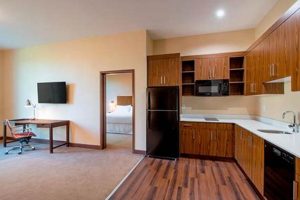
Extended hotel stays are a viable housing option for individuals seeking temporary or alternative accommodations. Residing in a hotel offers furnished rooms, housekeeping services, and often amenities like on-site dining and fitness facilities, eliminating the need for furnishing and utility management. For instance, individuals relocating for work or experiencing housing transitions might find this a practical solution.
The appeal of hotel living stems from its flexibility and convenience. It provides a readily available, fully equipped living space, often simplifying logistics and reducing the burdens of traditional tenancy. Historically, extended hotel stays were primarily associated with business travel or temporary displacement. However, evolving lifestyles and housing market trends have broadened the appeal to a wider demographic, including digital nomads and those seeking furnished accommodations without long-term leases.
This article will delve into the multifaceted aspects of extended hotel stays, exploring the financial implications, legal considerations, lifestyle adjustments, and available resources for prospective residents. Topics covered will include budgeting for long-term hotel stays, understanding hotel policies, and navigating the challenges and advantages of this unique housing approach.
Tips for Extended Hotel Stays
Careful planning and consideration are essential for successful long-term hotel living. The following tips offer guidance for navigating this non-traditional housing option.
Tip 1: Negotiate Rates: Hotels often offer discounted rates for extended stays. Discussing potential discounts directly with hotel management is advisable.
Tip 2: Understand Hotel Policies: Thoroughly review hotel policies regarding guest stays, payment schedules, and acceptable behavior. Clarifying these aspects beforehand can prevent future misunderstandings.
Tip 3: Consider Amenities and Location: Evaluate hotel amenities (laundry facilities, kitchenettes) and proximity to essential services (grocery stores, transportation) to ensure alignment with individual needs.
Tip 4: Establish a Budget: Factor in all expenses associated with extended hotel stays, including room rates, meals, and incidental costs, to develop a realistic budget.
Tip 5: Maintain Communication with Hotel Staff: Open communication with hotel staff can facilitate a smooth and positive experience, addressing concerns and ensuring needs are met.
Tip 6: Research Alternatives: Explore alternative extended-stay options, such as serviced apartments or residential hotels, to compare costs and amenities.
Tip 7: Address Mail and Legal Documentation: Establish a reliable system for receiving mail and managing legal documents while residing in a hotel.
By considering these tips, individuals can make informed decisions and optimize their extended hotel stay experience. Appropriate planning and preparation contribute significantly to a successful and comfortable arrangement.
The concluding section will offer a comprehensive summary of key considerations and reiterate the potential benefits and challenges associated with hotel living.
1. Legality

Legality plays a crucial role in determining whether establishing residency in a hotel is permissible. While hotels readily accommodate short-term guests, legal residency implies a different set of requirements. Local ordinances and regulations often govern the definition of residency, and hotels may not always comply with these stipulations. For instance, zoning laws might restrict the use of hotels for permanent housing, and hotels themselves may have internal policies limiting the length of stay. Therefore, assuming legal residency solely based on occupying a hotel room for an extended period is inaccurate. One must research and adhere to local laws and specific hotel policies to establish legal residency.
Furthermore, the concept of domicile, which signifies a person’s permanent legal residence, requires more than mere physical presence. Factors such as voter registration, driver’s license address, and official correspondence contribute to establishing domicile. Simply using a hotel as a mailing address might not suffice for legal purposes. Consequences of incorrectly claiming residency can range from administrative difficulties to legal complications. Thus, understanding the legal distinctions between temporary accommodation and established residency is paramount when considering long-term hotel stays.
In summary, the legality of living in a hotel hinges on local regulations, hotel policies, and the individual’s intent to establish legal domicile. Navigating these complexities requires diligent research and adherence to legal requirements. Failure to comply can result in significant consequences, reinforcing the importance of understanding the legal framework surrounding residency and long-term hotel stays. Clarifying these legal parameters is essential for anyone contemplating using a hotel as a primary residence.
2. Cost
Cost represents a pivotal factor in the feasibility of long-term hotel stays. Daily room rates, while potentially attractive for short visits, accumulate significantly over extended periods. This cumulative expense often surpasses the cost of traditional rental agreements, especially when factoring in amenities typically included in rent, such as kitchen facilities and utilities. For instance, a $150 nightly rate translates to $4,500 monthly, exceeding average rental costs in many areas. Additionally, incidental expenses like meals, laundry, and transportation further compound the overall financial burden. Therefore, a comprehensive cost analysis is crucial before considering extended hotel stays, requiring careful consideration of daily rates, additional expenses, and potential long-term financial implications.
Furthermore, the cost-benefit analysis of hotel living necessitates evaluating included services against potential savings. While hotels offer amenities like housekeeping and utilities, the absence of a kitchen necessitates frequent dining out, adding substantial expense. Moreover, laundry services, often priced per item, contribute to escalating costs. Comparing these expenses to the inclusive nature of standard rental agreements underscores the potential financial disadvantages of long-term hotel stays. Consider, for example, the cost of daily restaurant meals versus preparing meals in a private kitchen. This comparative analysis reveals the potential financial strain of relying solely on hotel amenities. Therefore, a thorough evaluation of included services against the cost of providing these services independently is essential for accurate cost assessment.
In summary, the cost of extended hotel stays presents a significant financial consideration. Cumulative daily rates, combined with incidental expenses, can rapidly exceed traditional housing costs. Evaluating the value of included services against the expense of independent living arrangements is crucial for a realistic cost assessment. Failing to account for these factors can lead to unsustainable financial strain, underscoring the importance of meticulous cost analysis in determining the viability of long-term hotel stays.
3. Convenience
Convenience represents a primary motivator for considering hotels as potential long-term residences. The all-inclusive nature of hotel living, encompassing furnished accommodations, housekeeping services, and readily available amenities, presents an attractive alternative to traditional housing arrangements. This eliminates the need for furniture acquisition, utility management, and routine household chores, simplifying daily life considerably. For individuals relocating frequently or seeking temporary housing solutions, this convenience factor can be highly appealing. Consider, for example, a consultant on temporary assignment, needing a fully furnished, easily manageable living space for a few months. Hotel living provides an immediate, hassle-free solution.
However, the long-term convenience of hotel living requires careful consideration. While initial setup is minimal, the lack of personal space and limited storage options can become restrictive over time. Everyday tasks, such as cooking or laundry, often incur additional costs and may not offer the same level of flexibility as in a private residence. The limited ability to personalize the living space and the transient nature of the hotel environment can also impact long-term comfort and a sense of belonging. For instance, someone accustomed to home cooking might find the reliance on restaurant meals or limited kitchenette facilities inconvenient and costly in the long run.
In summary, while convenience serves as an initial draw for extended hotel stays, the practical limitations regarding space, personalization, and daily routines become more apparent over time. A thorough evaluation of long-term convenience needs is essential before deciding on hotel living as a viable option. The initial ease of setup must be weighed against the potential constraints on daily living to assess the true convenience factor realistically.
4. Practicality

Practicality plays a crucial role in assessing the viability of long-term hotel stays. While the prospect of simplified living can be alluring, practical considerations often determine whether this lifestyle aligns with individual needs and circumstances. Evaluating these practical elements is essential for making informed decisions about extended hotel stays.
- Space and Storage
Hotel rooms, typically designed for short-term occupancy, often offer limited space and storage. This can pose challenges for individuals with substantial belongings or those intending to stay for extended periods. Wardrobe space may be insufficient, and the absence of dedicated storage areas can lead to clutter and organizational difficulties. For example, someone relocating for an extended work assignment might find the limited storage inadequate for personal and professional items. This constraint impacts the practicality of hotel living for those requiring ample storage capacity.
- Meal Preparation and Laundry
The absence of kitchen facilities in many hotel rooms presents a practical challenge for meal preparation. Relying solely on restaurant meals or takeout can be costly and may not cater to dietary restrictions or preferences. Similarly, limited laundry facilities or expensive per-item laundry services can create logistical and financial burdens. Individuals accustomed to home-cooked meals and convenient laundry access might find these limitations significantly impact the practicality of long-term hotel living.
- Privacy and Noise
Hotels, by nature, are communal environments. Maintaining privacy and managing noise levels can become challenging, especially during extended stays. Thin walls, shared hallways, and proximity to other guests can disrupt sleep and create a sense of intrusion. For individuals requiring quiet environments for work or relaxation, these factors can significantly impact the practicality of residing in a hotel.
- Pet Accommodation and Guest Policies
Hotel policies regarding pets and guests can present practical limitations. Restrictions on pet size or breed, along with limitations on guest visits, can impact individuals with pets or those who value frequent social interaction. These policies can restrict personal freedom and limit social connections, impacting the practicality of hotel living as a long-term solution.
These practical considerations highlight the potential challenges associated with long-term hotel stays. While convenience remains a significant advantage, limitations related to space, amenities, and hotel policies can impact overall livability. A thorough assessment of these practical aspects is crucial for determining whether hotel living aligns with individual lifestyles and needs. Failing to address these practicalities can lead to dissatisfaction and logistical difficulties, underscoring the importance of careful planning and consideration.
5. Social implications

Social implications represent a significant consideration when evaluating the viability of long-term hotel stays. The transient nature of hotel environments can limit opportunities for establishing meaningful social connections. Unlike traditional neighborhoods, where residents interact regularly and build community ties, hotels foster a sense of anonymity and impermanence. This lack of social interaction can lead to feelings of isolation and detachment, particularly for individuals seeking a sense of belonging and community integration. For example, someone relocating to a new city for an extended period might find the lack of social connections in a hotel environment isolating compared to residing in a neighborhood where opportunities for interaction are more readily available.
Furthermore, the absence of shared spaces conducive to social interaction within hotels further compounds this challenge. While some hotels offer communal areas, these spaces often lack the warmth and familiarity of neighborhood gathering spots. The transient population within hotels also inhibits the formation of lasting relationships. Residents come and go, making it difficult to establish a consistent social network. This lack of social infrastructure can contribute to feelings of displacement and hinder the development of a supportive social structure. Consider, for example, families with children. The limited opportunities for children to interact with peers in a hotel setting can impact their social development and create a sense of isolation for both children and parents.
In summary, the social implications of extended hotel stays warrant careful consideration. The transient nature of hotel environments, coupled with the lack of shared social spaces, can create barriers to forming meaningful connections and fostering a sense of community. These limitations can contribute to feelings of isolation and hinder social integration, particularly for individuals seeking a sense of belonging and social support. Understanding these social dynamics is crucial for individuals evaluating hotel living as a long-term housing solution. Addressing the potential for social isolation is essential for ensuring overall well-being and a positive living experience.
6. Long-Term Viability

Long-term viability, when considering hotel living, necessitates evaluating its sustainability as a permanent housing solution. While convenient for temporary circumstances, the practicality and overall suitability of residing in a hotel indefinitely require careful examination. Several key facets contribute to this assessment, each influencing the long-term viability of hotel living.
- Financial Sustainability
The ongoing cost of hotel living presents a significant challenge to long-term viability. Daily rates accumulate rapidly, often exceeding the cost of traditional housing options over time. Without a substantial and stable income, maintaining this expense becomes unsustainable. For instance, individuals experiencing financial instability might find the continuous cost of hotel living prohibitive, leading to financial strain and potential displacement. Therefore, long-term financial planning and budgeting are essential for assessing the financial sustainability of residing in a hotel indefinitely.
- Personal Well-being
The limited space, lack of privacy, and transient environment of hotels can negatively impact personal well-being over extended periods. The absence of a personalized living space and limited opportunities for social interaction can contribute to feelings of isolation and emotional distress. For example, individuals accustomed to the comforts and privacy of a home might find the confined and impersonal nature of hotel living detrimental to their mental and emotional well-being. Therefore, considering the potential psychological impact of long-term hotel stays is crucial for assessing its viability.
- Lifestyle Compatibility
Hotel living requires a specific lifestyle adaptation. The limitations on cooking, laundry, and personal space may not align with everyone’s needs and preferences. Individuals accustomed to a more traditional domestic setting might find the restrictions imposed by hotel living incompatible with their lifestyle. For instance, families with children or individuals who enjoy cooking elaborate meals might find the lack of kitchen facilities and limited space in a hotel room impractical and restrictive. Therefore, assessing lifestyle compatibility is crucial for determining the long-term viability of residing in a hotel.
- Alternative Housing Options
Exploring alternative housing options provides a comparative perspective on the long-term viability of hotel living. Comparing the cost, amenities, and overall lifestyle offered by apartments, shared housing, or other rental arrangements allows individuals to make informed decisions. For example, comparing the monthly cost of a hotel room to a studio apartment, including utilities and amenities, might reveal that apartment living offers greater value and stability in the long run. Therefore, considering alternative housing solutions is essential for evaluating the long-term viability and cost-effectiveness of hotel living.
In conclusion, the long-term viability of hotel living hinges on a combination of financial stability, personal well-being, lifestyle compatibility, and a comparative analysis of alternative housing options. While hotel living can serve as a practical short-term solution, its suitability as a permanent housing arrangement requires careful consideration of these crucial facets. Failing to address these considerations can lead to financial strain, emotional distress, and an overall sense of displacement, underscoring the importance of thorough evaluation and realistic expectations when contemplating long-term hotel stays.
Frequently Asked Questions
This section addresses common inquiries regarding extended hotel stays, providing concise and informative responses to facilitate informed decision-making.
Question 1: What are the typical costs associated with long-term hotel stays?
Costs vary significantly depending on location, hotel type, and negotiated rates. Expenses include the daily or weekly room rate, incidental charges (e.g., meals, laundry), and potential parking fees. Negotiating discounted rates for extended stays is often possible.
Question 2: What are the legal implications of living in a hotel long-term?
Establishing legal residency in a hotel requires adherence to local regulations and specific hotel policies. Extended stays alone do not necessarily constitute legal residency. Understanding local ordinances and hotel guidelines regarding long-term occupancy is crucial.
Question 3: How does one manage mail and official correspondence while living in a hotel?
Utilizing mail forwarding services or establishing a virtual mailbox can facilitate mail management. Informing relevant institutions and agencies of the hotel address for official correspondence is also essential.
Question 4: What are the advantages and disadvantages of extended hotel stays compared to traditional rentals?
Advantages include convenience, flexibility, and access to amenities. Disadvantages include higher costs over time, limited space, and potential social isolation. A comparative analysis of individual needs and priorities is crucial for informed decision-making.
Question 5: What are some essential items to pack for a long-term hotel stay?
Essential items include clothing suitable for the climate and anticipated activities, toiletries, personal electronics, any necessary medications, and important documents. Packing cubes and organizational tools can optimize limited storage space.
Question 6: How does one maintain a sense of normalcy and routine during an extended hotel stay?
Establishing a daily routine, incorporating regular exercise, maintaining healthy eating habits, and creating dedicated work or relaxation spaces within the hotel room can foster a sense of normalcy. Connecting with friends and family regularly can also mitigate feelings of isolation.
Careful consideration of these frequently asked questions empowers individuals to navigate the complexities of long-term hotel stays effectively. Understanding costs, legal implications, logistical challenges, and lifestyle adjustments is crucial for a successful and fulfilling experience.
The following section will offer concluding thoughts and summarize key takeaways regarding the feasibility and suitability of extended hotel stays as a housing solution.
Conclusion
Exploration of extended hotel stays reveals a nuanced housing option suitable for specific circumstances. While convenience and flexibility represent attractive features, financial implications, practical limitations, and social considerations require careful evaluation. Cost analysis reveals potential long-term financial strain compared to traditional housing. Practical limitations regarding space, amenities, and hotel policies necessitate lifestyle adjustments. Social implications highlight the potential for isolation due to the transient nature of hotel environments. Therefore, the decision to reside in a hotel requires a comprehensive assessment of individual needs, financial resources, and lifestyle preferences. Hotel living presents a viable solution for temporary or transitional housing needs but may not represent a sustainable long-term housing strategy for all.
Ultimately, the question “Can one live in a hotel?” depends on individual circumstances and priorities. Thorough research, realistic expectations, and careful planning are essential for a successful experience. Understanding the advantages and disadvantages empowers individuals to make informed decisions aligned with their long-term housing goals. One must weigh the convenience and flexibility against the financial implications, practical limitations, and potential social impact to determine the suitability of hotel living as a viable housing solution.