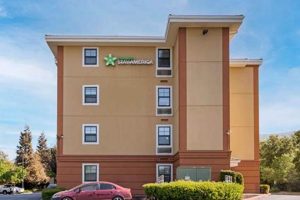
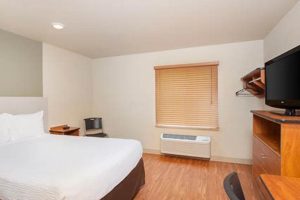
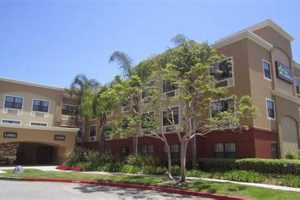
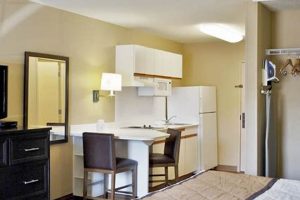
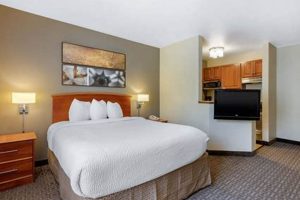
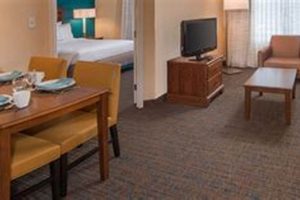
A specific type of lodging caters to travelers needing accommodations for longer durations, typically a week or more. These establishments offer apartment-style amenities, including kitchenettes or full kitchens, in-room laundry facilities, and separate living and sleeping areas. This model often provides a cost-effective solution compared to traditional hotels for those requiring longer-term housing.
The demand for this type of accommodation has risen significantly due to factors such as corporate relocations, project-based work assignments, and family displacements. Providing a home-like environment with convenient amenities allows guests to maintain a sense of normalcy and routine while away from their permanent residences. This approach contributes to greater comfort and productivity for travelers engaged in extended projects or transitions.
This article will delve deeper into various aspects of this lodging option, including cost comparisons, amenity analyses, and ideal guest profiles. It will also explore the evolution of this segment of the hospitality industry and its projected future growth.
Tips for Extended Stays
Careful planning enhances the experience of residing in accommodations designed for longer-term stays. The following tips offer guidance for maximizing comfort and efficiency.
Tip 1: Pack Strategically: While these accommodations offer more space than typical hotel rooms, overpacking can lead to clutter. Focus on versatile clothing items and essential toiletries. Consider shipping larger or less frequently used items directly to the accommodation.
Tip 2: Research Amenities: Not all locations offer identical amenities. Confirm the availability of specific features, such as on-site fitness centers, business services, or pet-friendly policies, prior to booking.
Tip 3: Utilize Grocery Delivery Services: Taking advantage of grocery delivery services can save time and ensure the kitchen is stocked with preferred items upon arrival.
Tip 4: Establish a Routine: Maintaining a regular schedule for work, meals, and leisure activities can contribute to a sense of normalcy and productivity during an extended stay.
Tip 5: Explore Local Amenities: Familiarize oneself with nearby restaurants, grocery stores, parks, and entertainment venues to enhance the overall experience.
Tip 6: Communicate with Staff: Hotel staff can provide valuable information about local services, address maintenance requests, and offer assistance with any issues that may arise.
Tip 7: Consider Transportation Options: Depending on the location and planned activities, having a personal vehicle, utilizing ride-sharing services, or relying on public transportation might prove more beneficial.
By implementing these strategies, individuals can ensure a more comfortable and productive experience during their time away from home.
This concludes the practical advice section. The following section will offer a broader perspective on trends within the extended stay lodging sector.
1. Home-like Amenities

Home-like amenities represent a defining characteristic of extended stay accommodations, differentiating them from traditional hotels. These amenities cater to the specific needs of long-term guests, fostering a sense of comfort and normalcy often absent in standard hotel environments. The inclusion of fully equipped kitchens, in-suite laundry facilities, and distinct living and sleeping areas allows guests to maintain routines and independence, crucial for extended periods away from home. For example, a business traveler on a month-long assignment can prepare meals according to personal preferences and dietary needs, reducing reliance on restaurant dining. Similarly, families relocating or experiencing temporary housing displacement benefit from the ability to maintain laundry routines and create dedicated spaces for work and relaxation.
The provision of home-like amenities addresses the practical challenges inherent in extended travel. Carrying out everyday tasks, such as cooking, laundry, and maintaining personal space, becomes significantly easier within these accommodations. This convenience translates to increased productivity and reduced stress for guests managing long-term projects or transitions. Moreover, these features contribute to a more cost-effective stay, as guests can prepare meals and handle laundry in-house, mitigating expenses associated with restaurants and external laundry services. This financial benefit proves particularly advantageous for individuals and families managing budgets during prolonged periods of travel.
In summary, the integration of home-like amenities within extended stay accommodations directly addresses the unique challenges faced by long-term travelers. These amenities provide practical solutions for everyday tasks, foster a sense of normalcy, and ultimately contribute to a more comfortable, productive, and cost-effective experience. The increasing demand for this type of lodging underscores the importance of these features in meeting the evolving needs of modern travelers.
2. Cost-Effectiveness

Cost-effectiveness represents a critical factor influencing lodging decisions, particularly for extended durations. Understanding the financial implications of various accommodation options is essential for travelers seeking to optimize their budgets. Extended stay accommodations often present a compelling value proposition compared to traditional hotels, especially for stays exceeding a week. This cost advantage stems from several key factors, enabling guests to manage expenses effectively during prolonged travel periods.
- Reduced Dining Expenses:
In-suite kitchen facilities empower guests to prepare meals independently, significantly reducing reliance on restaurants and associated costs. This self-catering option offers substantial savings, particularly for families or groups. For example, preparing breakfast and lunch within the suite can easily save a family of four a considerable amount daily compared to restaurant dining. This accumulated savings over an extended stay becomes even more pronounced.
- Lower Laundry Costs:
The availability of in-suite laundry facilities eliminates the need for costly external laundry services. Guests can manage laundry conveniently and affordably, contributing to overall budget management. This feature proves especially valuable for longer stays, where frequent laundering becomes essential. The cost savings associated with in-suite laundry can represent a substantial difference compared to using hotel laundry services or external laundromats.
- Competitive Rates for Extended Stays:
Extended stay accommodations typically offer discounted weekly and monthly rates, providing significant cost advantages over daily hotel rates for longer durations. These reduced rates reflect the commitment to accommodating long-term guests and provide a more budget-friendly option for extended travel needs. The per-night cost often decreases as the length of stay increases, making extended stay suites a financially attractive choice for those requiring accommodations for several weeks or months.
- Potential for Reduced Transportation Costs:
The apartment-style layout of extended stay suites, often including kitchen facilities, can contribute to reduced transportation costs. Fewer trips to restaurants or grocery stores can lead to fuel savings or reduced reliance on ride-sharing services. This localized living aspect can offer a further cost advantage, particularly in areas with limited or expensive transportation options.
The convergence of these factors contributes significantly to the overall cost-effectiveness of extended stay accommodations. By minimizing expenses related to dining, laundry, and potentially transportation, these accommodations offer a compelling value proposition for travelers seeking budget-conscious lodging solutions for extended durations. This cost advantage, coupled with the comfort and convenience of home-like amenities, positions extended stay suites as a practical and attractive alternative to traditional hotels for long-term travel needs.
3. Longer-Term Stays
The concept of “longer-term stays” forms the foundation of the extended stay lodging model. This approach caters specifically to the needs of individuals and families requiring accommodation for periods exceeding typical hotel stays, often ranging from several weeks to multiple months. This duration distinction fundamentally influences the design, amenities, and overall guest experience within extended stay American suites. Unlike traditional hotels optimized for transient guests, these accommodations prioritize creating an environment conducive to comfortable, self-sufficient living for extended periods. This focus reflects the unique requirements of longer-term stays, where maintaining routines, managing personal affairs, and controlling expenses become paramount.
Consider a consultant engaged in a six-month project in a new city. A traditional hotel room, while suitable for short trips, lacks the practicality and comfort required for such an extended duration. The consultant needs a space equipped for both work and relaxation, with amenities like a kitchen for preparing meals and in-suite laundry for managing personal laundry. An extended stay suite provides precisely this environment, enabling the consultant to maintain a semblance of normalcy and focus on professional responsibilities without the constraints and inconveniences of a standard hotel room. Similarly, a family relocating to a new state while their home is being prepared might require temporary housing for several weeks. An extended stay suite offers the space and amenities necessary for the family to settle in comfortably, prepare meals, and maintain established routines during this transitional period.
Understanding the implications of longer-term stays allows for a more informed evaluation of lodging options. The features and benefits of extended stay suites, including kitchen facilities, in-suite laundry, and separate living spaces, become particularly advantageous when considering the duration of the stay. Recognizing this connection enables travelers to select accommodations aligned with their specific needs and priorities, leading to a more comfortable, productive, and cost-effective experience during extended travel periods. The availability of these specialized accommodations represents a significant advancement in meeting the evolving needs of modern travelers and demonstrates the hospitality industry’s response to the increasing demand for flexible, comfortable, and cost-effective longer-term lodging solutions.
4. Kitchen Facilities

Kitchen facilities represent a cornerstone of the extended stay American suites model, differentiating these accommodations from traditional hotels and significantly impacting the guest experience. The presence of a kitchen fundamentally alters the dynamics of an extended stay, offering guests greater autonomy, flexibility, and control over their dining arrangements. This feature directly addresses the limitations of relying solely on restaurant dining during prolonged travel, offering both practical and financial advantages.
- Cost Control:
Perhaps the most immediate benefit of in-suite kitchen facilities lies in the potential for significant cost savings. Guests can prepare meals according to their budgets and dietary preferences, mitigating the expense of frequent restaurant visits. This cost control proves especially crucial during longer stays, where dining costs can accumulate rapidly. For example, a business traveler on a month-long assignment can save considerably by preparing breakfast and lunch in the suite, allocating dining-out budget for occasional dinners or business meals. Similarly, families can manage food costs more effectively by leveraging the kitchen to prepare meals and snacks, particularly beneficial for those with specific dietary needs or preferences. This financial autonomy contributes significantly to the overall value proposition of extended stay accommodations.
- Dietary Flexibility:
Kitchen facilities empower guests to maintain dietary control, a critical aspect often compromised during extended travel. Whether adhering to specific dietary restrictions, managing health conditions, or simply preferring home-cooked meals, having access to a kitchen allows guests to prepare food according to their individual needs. This flexibility eliminates the challenges of navigating restaurant menus and accommodating dietary limitations, providing a sense of normalcy and control over food choices. Families with young children, individuals with allergies, or those following specific diets benefit greatly from this autonomy, ensuring access to nutritious and suitable meals throughout their stay.
- Convenience and Time Savings:
Beyond cost and dietary control, kitchen facilities offer the convenience of preparing meals at one’s own pace and schedule. Guests can avoid restaurant wait times, prepare meals quickly between meetings or activities, and enjoy the flexibility of snacking whenever desired. This convenience proves especially valuable for busy professionals, families with varying schedules, or anyone seeking to maximize their time and minimize disruptions to their routines. The ability to grab a quick breakfast or prepare a late-night snack without leaving the suite adds a layer of comfort and efficiency to the extended stay experience.
- Enhanced Privacy and Comfort:
The presence of a kitchen fosters a sense of home-like comfort and privacy, allowing guests to dine in a relaxed and familiar setting. This aspect contributes significantly to the overall appeal of extended stay accommodations, providing a welcome respite from the public nature of hotel dining areas. Guests can enjoy meals in the comfort of their suite, fostering a sense of normalcy and relaxation during extended travel periods. This added privacy proves especially beneficial for families with young children or individuals seeking a quiet and comfortable dining experience.
In conclusion, the inclusion of kitchen facilities significantly enhances the value and appeal of extended stay American suites. By offering cost control, dietary flexibility, convenience, and enhanced privacy, these facilities cater specifically to the needs of long-term guests, creating a more comfortable, convenient, and cost-effective experience compared to traditional hotel stays. The ability to maintain familiar routines, manage dietary requirements, and control dining expenses contributes to a sense of normalcy and autonomy, essential for individuals and families navigating the challenges of extended travel.
5. Separate Living Spaces

Separate living spaces constitute a defining feature of extended stay American suites, distinguishing them from traditional hotel rooms and significantly enhancing their suitability for longer-term stays. This architectural distinction acknowledges the evolving needs of modern travelers, recognizing that extended stays require more than just a place to sleep. Separate living areas provide dedicated spaces for relaxation, work, and entertaining, fostering a sense of normalcy and privacy often absent in standard hotel accommodations. This division of space allows guests to maintain distinct functional areas within their suite, mirroring the comfort and organization of a private residence. The practical implications of this design element become particularly apparent during extended stays, where the need for personal space and functional separation increases significantly.
Consider a business traveler on a month-long assignment. After a demanding workday, the ability to retreat to a separate living area, distinct from the sleeping quarters, offers a crucial opportunity for relaxation and decompression. This separation allows for a more defined work-life balance, even within the confines of a temporary residence. The living area can serve as a dedicated workspace during the day, transforming into a relaxing retreat in the evening. Similarly, families traveling with children benefit significantly from separate living spaces. Parents can utilize the living area after children’s bedtime, maintaining a sense of personal space and avoiding disruption to sleeping arrangements. This separation also allows children to have a dedicated play area, minimizing disruption to other areas of the suite. These practical applications underscore the importance of separate living spaces in enhancing the comfort and functionality of extended stay accommodations.
The availability of separate living spaces within extended stay suites reflects a broader trend within the hospitality industry: recognizing and accommodating the evolving needs of long-term travelers. This design element addresses the limitations of traditional hotel rooms, providing a more functional and comfortable environment for extended stays. The separation of living and sleeping areas contributes significantly to guest satisfaction, productivity, and overall well-being during prolonged periods away from home. By offering distinct spaces for work, relaxation, and family interaction, extended stay suites provide a more home-like experience, mitigating the challenges of extended travel and fostering a sense of normalcy and comfort.
6. Increased Flexibility

Increased flexibility represents a core advantage of extended stay American suites, offering a significant departure from the rigid structures of traditional hotel stays. This flexibility manifests in several key areas, providing guests with greater control over their schedules, budgets, and overall travel experience. Unlike the fixed check-in/check-out times and pre-determined service packages common in traditional hotels, extended stay accommodations offer greater latitude in managing daily routines and personal needs. This adaptability proves particularly valuable during longer stays, where unforeseen circumstances or evolving schedules can necessitate adjustments to travel plans.
For example, a project-based consultant working on a variable schedule might require accommodations that allow for flexible check-in/check-out times depending on project demands. Extended stay suites provide this adaptability, allowing guests to adjust their stay duration without incurring penalties or navigating complex booking procedures. Similarly, families experiencing temporary housing displacement due to unforeseen circumstances, such as home renovations or natural disasters, benefit from the flexibility of extended stay accommodations. The option to extend or shorten stays based on evolving needs offers peace of mind and control during uncertain times. This adaptability distinguishes extended stay suites from traditional hotels, providing a more responsive and accommodating solution for dynamic travel needs.
The increased flexibility associated with extended stay suites extends beyond booking arrangements. In-suite kitchen facilities offer flexibility in meal planning and preparation, while in-suite laundry allows guests to manage personal laundry according to their own schedules. This level of control over daily routines fosters a sense of normalcy and autonomy often absent in traditional hotel environments. The flexibility inherent in extended stay accommodations empowers guests to adapt to changing circumstances, manage unforeseen events, and maintain a sense of control over their travel experience. This adaptability proves invaluable during longer stays, where the potential for schedule changes and unexpected events increases. By offering a more responsive and adaptable lodging solution, extended stay suites cater specifically to the evolving needs of modern travelers, providing a more practical and comfortable alternative to traditional hotel stays.
Frequently Asked Questions
This section addresses common inquiries regarding extended stay accommodations, providing clarity on key aspects of this lodging option.
Question 1: What differentiates extended stay suites from traditional hotels?
Extended stay suites prioritize longer-term stays, typically a week or more, and offer home-like amenities such as kitchens, in-suite laundry, and distinct living areas. Traditional hotels focus on shorter stays and generally lack these features.
Question 2: How do the costs compare to traditional hotels?
While daily rates might be comparable, extended stay suites frequently offer discounted weekly and monthly rates, making them more cost-effective for longer durations. Savings on dining and laundry due to in-suite amenities further contribute to cost-effectiveness.
Question 3: What types of amenities are typically included?
Typical amenities include fully equipped kitchens with refrigerators, stovetops, microwaves, and dishwashers; in-suite laundry facilities; separate living and sleeping areas; and often complimentary Wi-Fi and parking.
Question 4: Are pets allowed in extended stay suites?
Pet policies vary by location and specific property. It is essential to confirm pet policies directly with the chosen establishment prior to booking to ensure compliance and avoid potential issues.
Question 5: What types of guests typically utilize extended stay accommodations?
Guests range from business travelers on extended assignments and families relocating to individuals requiring temporary housing during home renovations or those seeking lodging for leisure travel of longer durations.
Question 6: What are the advantages of booking an extended stay suite versus renting an apartment?
Extended stay suites offer flexibility without the long-term commitment of a lease. They also provide housekeeping services and amenities like on-site fitness centers or business centers, often unavailable with apartment rentals.
Understanding these key aspects of extended stay accommodations facilitates informed decision-making, ensuring alignment between individual needs and available lodging options.
The subsequent section will delve into specific examples of extended stay brands and their unique offerings.
Conclusion
This exploration of extended stay American suites has highlighted their unique position within the hospitality industry. The analysis of key features, including home-like amenities such as kitchen facilities and separate living spaces, underscores the distinct advantages these accommodations offer over traditional hotels for longer-term stays. The discussion of cost-effectiveness, flexibility, and the diverse range of guest profiles further emphasizes the value and adaptability inherent in this lodging model. These factors collectively contribute to a more comfortable, convenient, and productive experience for travelers requiring accommodations for extended durations.
As the demand for flexible and cost-effective lodging solutions continues to evolve, extended stay American suites represent a significant and increasingly relevant segment of the hospitality landscape. Careful consideration of individual needs and priorities, coupled with an understanding of the distinct benefits offered by extended stay accommodations, empowers travelers to make informed decisions that optimize both comfort and budget during prolonged travel periods. The ongoing development and refinement of this lodging model promise to further enhance the travel experience for those seeking a home-away-from-home environment during extended stays.