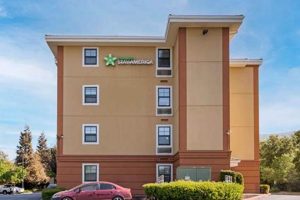
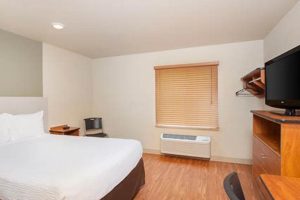
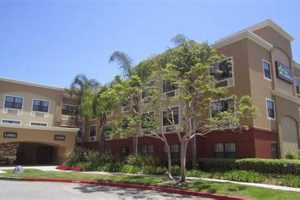
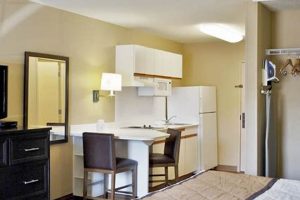
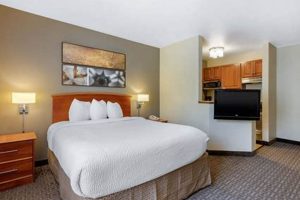
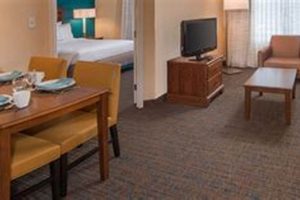
Accommodations offering longer-term lodging often include compact cooking spaces equipped with essential appliances like microwaves, refrigerators, and cooktops. This setup provides guests with the convenience and flexibility of preparing meals, snacks, and beverages within their rooms, offering a more home-like experience compared to traditional hotel stays.
This type of accommodation caters to the needs of travelers seeking cost-effective solutions for longer durations, such as business trips, relocations, or temporary housing situations. It offers a greater degree of independence and control over dining, potentially leading to significant cost savings and healthier eating habits. The concept emerged in response to the growing demand for flexible, comfortable, and cost-conscious lodging options beyond traditional hotels.
Further exploration will delve into specific features and amenities, cost considerations, target demographics, and the evolving landscape of this sector within the hospitality industry.
Tips for Selecting Accommodations with Kitchen Facilities for Longer Stays
Careful planning ensures a comfortable and cost-effective experience when booking longer-term lodging with in-room cooking facilities. The following tips offer valuable guidance for selecting suitable accommodations.
Tip 1: Research Appliance Availability: Confirm the specific appliances provided. While most locations offer a refrigerator, microwave, and cooktop, the presence of ovens, dishwashers, or toasters can vary. Clarity on available equipment ensures alignment with individual cooking needs.
Tip 2: Consider Utensil and Cookware Provisions: Inquire about provided cookware and utensils. Some accommodations offer a fully equipped kitchen, while others may require guests to supplement basic supplies. Understanding these provisions facilitates efficient packing and avoids unexpected expenses.
Tip 3: Evaluate Grocery Store Proximity: Assess the location’s proximity to grocery stores or food markets. Convenient access to fresh ingredients enhances the self-catering experience and minimizes travel time for supplies.
Tip 4: Compare Costs Holistically: Evaluate the total cost, including potential savings from self-catering, against alternative lodging options. Factor in expenses like groceries and transportation to accurately assess overall value.
Tip 5: Review Cancellation Policies: Thoroughly review cancellation policies due to the nature of extended stays. Understanding potential fees and deadlines associated with changes in plans is crucial.
Tip 6: Inspect Cleanliness Thoroughly Upon Arrival: Upon arrival, carefully inspect the cleanliness of the kitchenette area, including appliances, countertops, and utensils. Addressing any concerns promptly ensures a hygienic and comfortable stay.
Implementing these strategies can lead to a more enjoyable and cost-effective experience in accommodations with kitchen facilities. Careful planning and consideration of individual needs contributes significantly to a successful extended stay.
By considering these factors, travelers can confidently select accommodations that meet their specific requirements and contribute to a positive long-term lodging experience.
1. Cost-effectiveness

Cost-effectiveness represents a significant advantage of extended stay accommodations with kitchenettes. The ability to prepare meals within the lodging significantly reduces reliance on restaurants, leading to substantial savings, particularly for longer durations. This self-catering aspect directly addresses the escalating costs associated with frequent dining out, making extended stays with kitchenettes a fiscally prudent choice for budget-conscious travelers. For example, a family vacationing for a week could save hundreds of dollars by preparing breakfasts and lunches in their kitchenette rather than eating out for every meal. Similarly, business travelers on extended assignments benefit from reduced meal expenses by utilizing in-room cooking facilities.
The financial benefits extend beyond direct meal costs. The flexibility offered by a kitchenette allows for packing lunches for work or outings, further minimizing expenses. Preparing snacks and beverages in-room also contributes to overall savings. This cost-conscious approach empowers travelers to allocate their budget towards other aspects of their trip or assignment, maximizing value and minimizing financial strain. The availability of grocery stores near these accommodations further enhances cost-effectiveness by providing access to affordable ingredients. This contrasts with the often-inflated prices found in convenience stores or hotel restaurants.
In conclusion, the cost-effectiveness inherent in extended stay accommodations with kitchenettes stems primarily from the capacity for self-catering. This translates into substantial savings on meals, snacks, and beverages compared to traditional hotel stays or frequent restaurant visits. This financial advantage is a key factor driving the popularity of this lodging type, particularly for budget-minded travelers seeking comfortable and affordable accommodations for extended periods. However, potential drawbacks such as the initial investment in groceries and the time commitment required for meal preparation should be considered. Balancing these factors against potential savings ensures informed decision-making aligned with individual needs and circumstances.
2. Convenience and Flexibility
Convenience and flexibility are integral components of the extended stay with kitchenette experience. The ability to prepare meals and snacks at any time aligns with varying schedules and dietary preferences. This eliminates the constraints of restaurant hours or limited menu options, offering autonomy over dining choices. For instance, a business traveler working late can prepare a quick meal without relying on late-night delivery services. Similarly, families with young children appreciate the ability to cater to specific dietary needs and prepare familiar meals, reducing mealtime stress while traveling.
Beyond meal preparation, the kitchenette facilitates a more personalized and adaptable living environment. Guests can store preferred groceries and beverages, fostering a sense of home and control over their daily routines. This is particularly valuable for individuals with specific dietary restrictions or those who prefer home-cooked meals for health or cost reasons. Furthermore, the presence of a kitchenette reduces reliance on external services for basic needs, enhancing autonomy and self-sufficiency. For example, having access to a refrigerator allows for storing medications requiring refrigeration, while a microwave enables quick reheating of leftovers, minimizing food waste.
In summary, the convenience and flexibility afforded by extended stay accommodations with kitchenettes significantly enhance the overall guest experience. The ability to manage meal times, store personal items, and maintain dietary preferences contributes to a sense of autonomy and control. This self-sufficiency is especially valuable for longer stays, empowering guests to personalize their environment and adhere to established routines, ultimately fostering a more comfortable and productive experience.
3. Home-like experience

A home-like experience represents a significant benefit of extended stay accommodations featuring kitchenettes. The ability to prepare meals within the lodging fosters a sense of normalcy and routine, contrasting sharply with the transient nature of traditional hotel stays. This familiar environment can significantly impact well-being, particularly during longer trips or relocations, reducing stress and promoting a sense of comfort and stability. Consider a family relocating for a new job; having a kitchenette allows them to maintain familiar mealtime routines and dietary preferences, easing the transition to a new environment. Similarly, business travelers on extended assignments benefit from the ability to create a personalized space, fostering a sense of home away from home.
The presence of a kitchenette facilitates a level of personalization often absent in standard hotel rooms. Guests can stock preferred foods and beverages, creating a sense of ownership and control over their living space. This autonomy contributes to a more relaxed and comfortable atmosphere, promoting a sense of belonging and reducing the potential anxieties associated with unfamiliar surroundings. For example, individuals with specific dietary needs can maintain their routines without relying solely on external dining options. The ability to prepare familiar comfort foods can be particularly valuable during stressful periods or when navigating unfamiliar locations.
Creating a home-like environment within extended stay accommodations contributes significantly to guest satisfaction and overall well-being. This sense of familiarity and control, fostered by the presence of a kitchenette, can mitigate the challenges associated with extended travel or relocation. While other factors such as comfortable furnishings and convenient amenities contribute to the overall experience, the ability to personalize meal preparation and maintain established routines plays a key role in creating a true home-like atmosphere. This understanding underscores the importance of kitchenettes as a valuable feature in extended stay accommodations, catering to the emotional and practical needs of long-term guests.
4. Space and Amenities

Space and available amenities significantly influence the suitability of extended stay accommodations with kitchenettes. Careful consideration of these factors ensures alignment with individual needs and preferences, contributing to a comfortable and productive long-term stay. Analyzing the interplay between available space and provided amenities offers valuable insights for informed decision-making.
- Living Area Configuration
The layout and size of the living area directly impact functionality and comfort. Studio-style accommodations offer compact living, while multi-room layouts provide distinct spaces for sleeping, working, and relaxing. A business traveler might prioritize a dedicated workspace within a larger suite, whereas a family might prefer separate bedrooms. Understanding these configurations allows for selecting accommodations optimized for specific needs and group size.
- Kitchenette Functionality
Kitchenette functionality varies significantly. Some offer basic amenities like microwaves, mini-fridges, and coffee makers, while others include full-sized refrigerators, ovens, and dishwashers. A traveler planning elaborate meals requires a more comprehensively equipped kitchenette than someone intending to prepare simple breakfasts and snacks. Assessing cooking needs and matching them to available facilities is essential.
- Storage Capacity
Ample storage is crucial for longer stays. Closets, drawers, and shelving accommodate personal belongings and groceries, minimizing clutter and maximizing comfort. A family requires more storage space than a solo traveler. Evaluating storage capacity alongside living area dimensions ensures sufficient space for personal items throughout the stay.
- Additional Amenities
Beyond the kitchenette, additional amenities influence the overall experience. On-site laundry facilities, fitness centers, and business centers enhance convenience and cater to diverse needs. A business traveler values reliable internet access and printing capabilities, while a family benefits from laundry facilities. Considering these supplementary amenities contributes to a more productive and comfortable extended stay.
The interplay between space and amenities ultimately shapes the suitability of an extended stay accommodation with a kitchenette. Careful consideration of these factors, alongside individual needs and preferences, ensures a comfortable and functional long-term living environment. Evaluating available space, kitchenette functionality, storage capacity, and additional amenities contributes to informed decision-making and a positive extended stay experience.
5. Location and accessibility
Location and accessibility are critical factors influencing the practicality and overall experience of extended stay accommodations with kitchenettes. Proximity to essential services, transportation networks, and points of interest significantly impacts daily life and convenience during longer stays. Careful consideration of these factors is paramount for a seamless and productive experience.
Proximity to grocery stores, pharmacies, and medical facilities streamlines daily routines and enhances self-sufficiency. Easy access to fresh ingredients supports the core functionality of the kitchenette, while nearby pharmacies and medical facilities provide essential services, promoting peace of mind. For example, an extended stay accommodation located near a major supermarket simplifies grocery shopping, enabling guests to readily stock their kitchenettes. Similarly, convenient access to public transportation or major roadways enhances mobility, connecting guests to employment centers, leisure activities, and essential services. An accommodation situated near a bus or train station facilitates effortless commuting and exploration of surrounding areas. Furthermore, proximity to parks, recreational facilities, and cultural attractions enhances quality of life during extended stays, offering opportunities for leisure and enriching experiences.
The practical significance of location and accessibility extends beyond mere convenience. Strategic location selection can significantly impact overall costs. Accommodations situated further from city centers might offer lower rates while requiring increased transportation expenses and travel time. Conversely, centrally located accommodations might command higher prices but offer greater access to amenities and reduce commuting costs. Balancing these considerations requires careful analysis of individual needs, priorities, and budget constraints. For instance, a business traveler prioritizing proximity to a conference center might accept a higher cost for a centrally located accommodation to minimize travel time and maximize productivity. Conversely, a family on a leisure trip might prioritize a more remote location with access to outdoor recreational opportunities, accepting increased travel time for a lower overall cost.
In conclusion, the interplay between location, accessibility, and the benefits of extended stay accommodations with kitchenettes is crucial for a positive and productive experience. Careful consideration of proximity to essential services, transportation networks, and points of interest empowers informed decision-making, aligning lodging choices with individual needs and priorities. Evaluating these factors in the context of cost considerations ensures a balanced approach, maximizing both convenience and value throughout the extended stay.
Frequently Asked Questions
This FAQ section addresses common inquiries regarding extended stay accommodations with kitchenettes, providing clarity and facilitating informed decision-making.
Question 1: What appliances are typically included in a kitchenette?
Typical inclusions are microwaves, mini-fridges, and coffee makers. Some accommodations offer more comprehensive setups with full-sized refrigerators, stovetops, ovens, and dishwashers. Confirmation of specific appliance availability prior to booking is recommended.
Question 2: Are cookware and utensils provided?
Cookware and utensil provision varies. Some accommodations offer fully equipped kitchens, while others provide basic sets. Clarification with the property regarding available kitchenware is advised to facilitate appropriate packing or supplemental purchases.
Question 3: How do costs compare to traditional hotels or vacation rentals?
Cost comparisons depend on factors like location, duration of stay, and specific amenities. Extended stay accommodations often offer competitive rates, especially for longer durations, due to potential savings from self-catering. A comprehensive cost analysis, factoring in potential savings from meal preparation, provides a clearer comparison.
Question 4: What are the typical lease terms for extended stay accommodations?
Lease terms vary considerably, offering flexibility ranging from weekly to monthly agreements. Some accommodations also cater to longer-term needs. Directly inquiring with the property regarding available lease terms is crucial.
Question 5: Are pets allowed in extended stay accommodations with kitchenettes?
Pet policies differ across properties. Some accommodations welcome pets, potentially with associated fees or restrictions, while others maintain strict no-pet policies. Confirmation of pet policies prior to booking is essential for pet owners.
Question 6: What services are typically included in extended stay accommodations?
Included services vary but often include housekeeping, Wi-Fi, and on-site laundry facilities. Some accommodations offer additional amenities like fitness centers, swimming pools, or business centers. Inquiries regarding specific service inclusions prior to booking are recommended.
Thorough research and direct communication with the chosen property are essential for ensuring accommodation aligns with specific needs and expectations. Clarifying these aspects facilitates a smooth and satisfactory extended stay experience.
For further inquiries or specific information, please consult individual property listings or contact accommodation providers directly.
Extended Stay with Kitchenette
Accommodations offering extended stays with kitchenettes present a compelling alternative to traditional lodging options. This analysis explored key aspects, including cost-effectiveness derived from self-catering, convenience and flexibility in meal preparation and scheduling, and the creation of a more home-like environment conducive to longer stays. Space and amenity considerations, along with location and accessibility, play crucial roles in optimizing the extended stay experience. Addressing frequently asked questions further clarifies key aspects of this lodging format, empowering informed decision-making.
The evolving landscape of travel and temporary housing necessitates adaptable and cost-conscious solutions. Extended stay accommodations with kitchenettes offer a compelling response to this demand, providing a unique blend of comfort, convenience, and affordability. Further exploration and consideration of individual needs and priorities will ensure optimal utilization of this increasingly relevant lodging option within the broader hospitality sector.