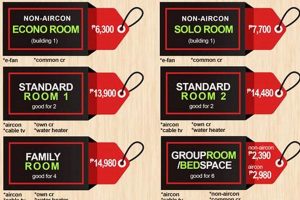
Extended-stay accommodations offer furnished units with kitchen facilities, providing a more home-like environment than traditional hotels. These establishments cater to individuals needing lodging for longer durations, typically at a reduced cost compared to daily rates. A business traveler on a temporary assignment, a family relocating to a new city, or an individual displaced by home renovations might find this type of accommodation beneficial.
This lodging option fills a crucial gap between short-term hotel stays and traditional leases. The flexibility and convenience they offer are particularly valuable in today’s mobile society. Historically, such arrangements might have been limited to boarding houses or apartment sublets. However, the rise of purpose-built extended-stay properties reflects the growing demand for flexible housing solutions. These establishments often provide amenities such as on-site laundry, housekeeping services, and fitness centers, further enhancing their appeal.
The following sections delve deeper into key aspects of selecting and utilizing extended-stay lodging, including factors influencing pricing, typical amenities, and tips for securing the best possible arrangements.
Tips for Securing Extended-Stay Accommodations
Locating and securing suitable extended-stay accommodations requires careful planning and consideration. The following tips offer guidance for navigating this process effectively.
Tip 1: Book in Advance: Securing desirable accommodations, especially during peak seasons, necessitates advance booking. Early reservations often unlock better rates and availability.
Tip 2: Negotiate Rates: Longer stays often provide leverage for negotiating lower rates. Inquiring about potential discounts or promotional offers can yield significant savings.
Tip 3: Consider Location: Proximity to work, amenities, and transportation should factor into the decision-making process. Evaluating commute times and access to essential services is crucial.
Tip 4: Compare Amenities: Different establishments offer varying amenities. Assessing the availability of features like kitchens, laundry facilities, and internet access is vital for selecting a suitable option.
Tip 5: Review Policies: Understanding cancellation policies, pet policies, and guest restrictions is essential before committing to a reservation. Thoroughly reviewing the terms and conditions can prevent future complications.
Tip 6: Inspect the Unit: Whenever possible, inspecting the unit before finalizing the reservation is advisable. This allows potential guests to verify the condition and suitability of the accommodations firsthand.
Tip 7: Secure a Written Agreement: A written agreement outlining the terms of the stay protects both the guest and the establishment. This document should clearly specify the duration, rate, and applicable policies.
Careful planning and attention to detail contribute significantly to a successful extended-stay experience. Utilizing these tips can help individuals secure comfortable and cost-effective accommodations.
By following these guidelines, individuals can confidently navigate the process of securing extended-stay accommodations that meet their specific needs and budget. The concluding section offers final thoughts and recommendations for a positive extended-stay experience.
1. Cost-Effectiveness

Cost-effectiveness plays a crucial role in the appeal of extended-stay accommodations. Evaluating expenses associated with this lodging option requires a comprehensive understanding of various contributing factors.
- Daily vs. Monthly Rates:
Extended stay rates typically offer substantial discounts compared to daily rates in traditional hotels. This cost advantage becomes particularly significant for stays exceeding a few weeks. For example, a monthly rate might equate to the cost of just 10-14 days at a standard daily rate, offering considerable savings over time. This makes extended stays an economically sound choice for longer trips.
- Included Amenities and Utilities:
Many extended-stay facilities include amenities such as in-room kitchens, laundry facilities, and Wi-Fi in their monthly rates. These inclusions can significantly reduce additional expenses that might be incurred in traditional hotels or short-term rentals, where such services often come at an extra cost. This bundled pricing structure contributes to overall cost-effectiveness.
- Reduced Dining Costs:
In-room kitchens allow guests to prepare their own meals, reducing reliance on restaurants and take-out. This can lead to substantial savings, especially for longer stays. The ability to cook provides budgetary control and flexibility, a significant advantage over hotel stays where dining options are typically more limited and expensive.
- Potential for Negotiation:
For extended stays, negotiating lower monthly rates is often possible, particularly during off-peak seasons or for longer-term commitments. Directly contacting the property and inquiring about potential discounts can yield further cost savings. This flexibility in pricing contributes to the overall value proposition of extended-stay accommodations.
Analyzing these factors highlights the potential for significant cost savings when opting for extended-stay accommodations. The combination of lower monthly rates, included amenities, and opportunities for reduced dining and negotiated pricing makes this a financially attractive option for individuals requiring lodging for longer durations.
2. Lease Flexibility

Lease flexibility stands as a defining characteristic of extended-stay accommodations, distinguishing them from traditional apartment rentals. This flexibility manifests in several ways, offering advantages to individuals seeking temporary housing solutions. Shorter-term commitments, often month-to-month, eliminate the burden of long-term lease agreements typically associated with apartment rentals. This allows for greater adaptability to changing circumstances, such as project extensions or unexpected relocations. The ability to adjust the length of stay provides significant convenience and reduces financial risk associated with fixed-term leases. For example, a consultant on a three-month project can secure accommodations for the project’s duration without being locked into a year-long lease. Similarly, a family awaiting the completion of a new home construction can utilize extended-stay accommodations during the interim period with the flexibility to adjust their stay as needed.
This adaptability extends beyond duration. Many extended-stay facilities offer options for early departure with minimal penalties, unlike traditional leases that often impose significant fees for breaking the contract. This flexibility proves particularly valuable in situations where plans change unexpectedly. Furthermore, the streamlined check-in and check-out process, often mirroring that of traditional hotels, minimizes administrative burdens associated with apartment rentals. The absence of extensive application procedures, background checks, and security deposits simplifies the transition into and out of these accommodations. This ease of access allows individuals to secure housing quickly and efficiently, a significant advantage in dynamic and unpredictable circumstances.
In summary, lease flexibility provides significant advantages for individuals seeking temporary housing. The ability to adjust the length of stay, coupled with relaxed departure policies and simplified administrative processes, distinguishes extended-stay accommodations from traditional rentals. This flexibility proves invaluable in various scenarios, offering a practical and adaptable solution for individuals navigating temporary or transitional housing needs.
3. Amenity Inclusions

A key differentiator among extended-stay accommodations lies in the range of included amenities. These offerings contribute significantly to the overall value proposition and cater to the unique needs of long-term guests. Understanding these inclusions is essential for selecting accommodations that align with individual preferences and requirements.
- Kitchen Facilities:
The presence of fully equipped kitchens, including refrigerators, stovetops, microwaves, and often dishwashers and cookware, distinguishes extended-stay accommodations. This feature allows guests to prepare meals, offering significant cost savings compared to relying on restaurants or takeout. For example, a business traveler on a month-long assignment can maintain dietary preferences and control food expenses by utilizing the in-room kitchen. This self-sufficiency significantly enhances the long-term viability of extended stays.
- Laundry Facilities:
On-site laundry facilities, whether in-unit or communal, offer considerable convenience and cost savings compared to utilizing external laundromats. This amenity proves particularly valuable for extended stays, allowing guests to maintain their wardrobe without the inconvenience or expense of outside services. A family relocating to a new city benefits significantly from on-site laundry, minimizing disruption during the transition.
- Internet and Entertainment:
High-speed internet access and entertainment options, such as cable television or streaming services, are often standard inclusions. These amenities cater to both professional and leisure needs, ensuring guests remain connected and entertained throughout their stay. A remote worker benefits from reliable internet access, while families appreciate entertainment options during downtime. This inclusion adds considerable value to the overall extended-stay experience.
- Housekeeping Services:
While the frequency varies, many extended-stay accommodations offer regular housekeeping services, providing a level of convenience often absent in traditional apartment rentals. This service maintains cleanliness and hygiene within the unit, contributing to a comfortable and pleasant living environment. The inclusion of housekeeping, even on a weekly or bi-weekly basis, adds value and reduces the burden on guests for maintaining the living space.
The inclusion of these amenities enhances the overall appeal and practicality of extended-stay accommodations. By carefully considering the available amenities, individuals can select accommodations that best suit their lifestyle and requirements during their extended stay. The combination of convenience, cost savings, and enhanced comfort provided by these inclusions contributes significantly to the popularity and practicality of extended-stay lodging.
4. Location Convenience

Location convenience represents a critical factor influencing the desirability of extended-stay accommodations. Strategic placement near essential services and transportation hubs significantly impacts the overall experience and practicality of these lodgings. Careful consideration of location contributes to a more efficient and comfortable extended stay.
- Proximity to Workplaces:
Extended-stay facilities located near business districts or major employment centers offer significant advantages for business travelers or individuals on temporary assignments. Reduced commute times translate to increased productivity and lower transportation costs. For example, a consultant working on a project at a specific company benefits significantly from accommodations within walking distance or a short drive from the office. This proximity minimizes travel time and maximizes work efficiency.
- Access to Amenities:
Convenient access to grocery stores, restaurants, pharmacies, and other essential services enhances the ease of daily living during an extended stay. Locations within walking distance or easily accessible by public transportation contribute to a more seamless and less stressful experience. A family residing in an extended-stay facility benefits from nearby grocery stores and restaurants, simplifying meal preparation and dining logistics.
- Transportation Hubs:
Proximity to airports, train stations, or major highways facilitates travel to and from the extended-stay location. This convenient access proves particularly valuable for individuals relocating to a new city or frequently traveling for business. Easy access to transportation networks streamlines travel logistics and reduces the overall burden of commuting.
- Quiet and Safe Neighborhoods:
The surrounding environment plays a significant role in the overall quality of an extended stay. Locations in quiet and safe neighborhoods contribute to peace of mind and a more restful experience. Families with children, in particular, prioritize safety and tranquility when selecting accommodations. A peaceful environment enhances the overall livability and comfort of the extended stay.
Careful consideration of these location-based factors significantly impacts the overall experience of an extended stay. Selecting accommodations strategically located near workplaces, amenities, transportation hubs, and in safe environments enhances convenience, reduces stress, and contributes to a more productive and enjoyable stay. The interplay of these factors influences not only the practicality but also the overall quality of life during an extended-stay arrangement.
5. Furnishing Options
Furnishing options within extended-stay accommodations play a crucial role in guest comfort and convenience. These options cater to diverse needs, ranging from basic functionality to enhanced living experiences. Understanding the variety of furnishing options available allows individuals to select accommodations that best suit their lifestyle and requirements during a longer stay.
- Basic Furnishings:
Basic furnishing options typically include essential furniture pieces such as a bed, dresser, table, and chairs. This level of furnishing provides fundamental functionality without excessive embellishments. This option often suits individuals prioritizing affordability and requiring only essential living components. For example, a traveling professional focused primarily on work might find basic furnishings sufficient for their needs.
- Full Furnishings:
Full furnishings encompass a more comprehensive range of furniture and accessories, creating a more home-like environment. This typically includes sofas, armchairs, coffee tables, lamps, and additional decorative elements. This option caters to individuals desiring a higher level of comfort and a more residential feel during their extended stay. A family relocating to a new city might prefer fully furnished accommodations to create a sense of home during the transition.
- Kitchenware and Appliances:
The inclusion of kitchenware and appliances varies among extended-stay accommodations. Some facilities provide basic cookware, dishes, and utensils, while others offer more comprehensive setups including small appliances such as coffee makers, toasters, and blenders. The level of kitchen furnishing influences the self-sufficiency of guests and their ability to prepare meals comfortably. An individual prioritizing healthy eating would benefit from a fully equipped kitchen to maintain dietary habits during their stay.
- Linens and Towels:
The provision of linens and towels contributes to the overall convenience of extended-stay accommodations. While most facilities provide these essentials, the quality and frequency of replacement can vary. Understanding the linen and towel policy allows guests to anticipate their needs and pack accordingly. Frequent travelers might prefer accommodations with regular linen service to minimize luggage requirements.
The variety of furnishing options available within extended-stay accommodations caters to a diverse range of needs and preferences. By carefully considering these options, individuals can select accommodations that provide the appropriate level of comfort and functionality for their extended stay. Whether prioritizing basic functionality or a more comprehensive home-like environment, selecting suitable furnishings contributes significantly to a positive and productive long-term lodging experience.
6. Targeted Demographics

Understanding the target demographics for extended-stay accommodations provides valuable insights into the market and the specific needs these lodgings address. Analyzing these demographics reveals the diverse range of individuals and groups who benefit from this flexible housing option. This understanding is crucial for both providers and consumers of extended-stay services.
- Business Travelers:
Consultants, project managers, and corporate executives on temporary assignments often utilize extended-stay accommodations. These lodgings offer a cost-effective and convenient alternative to traditional hotels, particularly for assignments lasting several weeks or months. The furnished units with kitchen facilities provide a more comfortable and self-sufficient living environment compared to standard hotel rooms. For example, a consultant working on a three-month project can establish a temporary home base in an extended-stay hotel, allowing for greater flexibility and control over their living arrangements.
- Relocating Families:
Families transitioning to a new city often find extended-stay accommodations beneficial during the relocation process. These lodgings provide temporary housing while families search for permanent homes, allowing them to acclimate to the new area without the immediate pressure of securing long-term housing. The presence of kitchen facilities and multiple bedrooms caters to family needs during this transitional period. For instance, a family relocating for a new job can reside in an extended-stay hotel while exploring different neighborhoods and school districts before committing to a permanent residence.
- Individuals in Transition:
Individuals experiencing temporary housing displacement due to home renovations, insurance claims, or other unforeseen circumstances often utilize extended-stay accommodations. These lodgings provide a stable and comfortable living environment during a potentially disruptive period. The availability of essential amenities and flexible lease terms offers a practical solution for individuals navigating transitional housing challenges. For example, a homeowner whose house is undergoing major repairs after a fire can reside in an extended-stay hotel while the restoration work is completed.
- Traveling Medical Professionals:
Doctors, nurses, and other healthcare professionals on temporary assignments or undertaking specialized training often choose extended-stay accommodations. The proximity to hospitals and medical centers, combined with the convenience of furnished units, makes these lodgings particularly appealing to medical personnel. The flexible lease terms accommodate the often variable durations of medical assignments. For instance, a traveling nurse undertaking a six-month contract at a regional hospital can benefit from the convenience and proximity of an extended-stay hotel near their workplace.
These diverse demographics highlight the broad appeal and utility of extended-stay accommodations. By catering to the specific needs of these groups, extended-stay hotels fill a critical niche in the lodging market. Understanding these target demographics informs the development and marketing of these accommodations, ensuring they remain relevant and responsive to evolving housing needs. The continued growth and evolution of the extended-stay sector reflects the increasing demand for flexible and adaptable housing solutions across a variety of demographics.
Frequently Asked Questions about Extended-Stay Accommodations
This section addresses common inquiries regarding extended-stay accommodations, providing clarity on key aspects of this lodging option.
Question 1: How do rates for extended-stay accommodations compare to traditional hotel rates?
Extended-stay rates typically offer significant discounts compared to daily hotel rates, especially for stays exceeding a few weeks. The longer the stay, the greater the potential cost savings.
Question 2: What lease terms are typically offered for extended-stay accommodations?
Lease terms vary, but many extended-stay facilities offer month-to-month agreements, providing flexibility compared to traditional apartment leases. Longer-term agreements are also often available, potentially offering further discounted rates.
Question 3: What amenities are typically included in extended-stay accommodations?
Commonly included amenities include fully equipped kitchens, on-site laundry facilities, high-speed internet access, and often housekeeping services. Specific amenities vary by property, so it’s advisable to inquire directly about offerings.
Question 4: Are pets allowed in extended-stay accommodations?
Pet policies vary among properties. Some accommodations welcome pets, while others may have restrictions on size, breed, or number of pets allowed. Contacting the property directly to inquire about specific pet policies is recommended.
Question 5: What is the cancellation policy for extended-stay accommodations?
Cancellation policies vary, and it’s essential to understand the terms before booking. Some facilities may offer flexible cancellation options, while others may impose penalties for early departures. Reviewing the cancellation policy in advance is crucial.
Question 6: What are the advantages of extended-stay accommodations over traditional apartment rentals?
Key advantages include flexible lease terms, simplified administrative processes, and the inclusion of amenities like housekeeping and utilities. These features offer convenience and cost savings compared to the complexities of traditional leases.
Understanding these key aspects of extended-stay accommodations facilitates informed decision-making. Thorough research and direct communication with the chosen property ensure a positive and productive extended-stay experience.
The following section offers concluding thoughts and recommendations for individuals considering extended-stay accommodations.
Conclusion
This exploration of extended-stay accommodations has highlighted key aspects of this increasingly popular lodging option. From cost-effectiveness and lease flexibility to amenity inclusions and targeted demographics, the analysis has provided a comprehensive overview of the benefits and considerations associated with hotels offering monthly rentals. Factors influencing location convenience and the range of furnishing options further contribute to the nuanced understanding of this dynamic segment of the hospitality industry. Understanding these elements empowers individuals seeking flexible and adaptable housing solutions to make informed decisions.
The evolving landscape of extended-stay accommodations reflects a growing demand for housing solutions that cater to diverse needs and lifestyles. As mobility increases and work patterns shift, the flexibility and convenience offered by extended-stay hotels become increasingly relevant. Careful consideration of the factors outlined herein allows individuals to navigate this landscape effectively, selecting accommodations that align with individual circumstances and priorities. The future of extended-stay lodging promises continued innovation and adaptation to meet the evolving demands of a dynamic global community. Strategic planning and thorough research remain crucial for maximizing the benefits and potential of this adaptable housing solution.