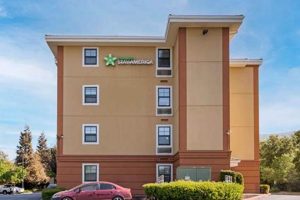
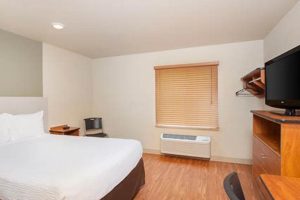
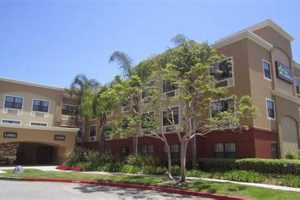
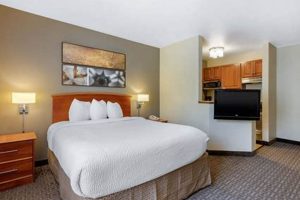
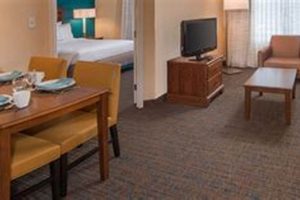
Longer-term lodgings, typically for periods exceeding a few weeks, offer a unique blend of comfort and practicality for individuals relocating, working on temporary assignments, or experiencing transitional housing needs. These arrangements often provide amenities like kitchenettes, laundry facilities, and common areas, blurring the line between traditional hotel services and apartment living. For instance, a consultant engaged in a six-month project might opt for this type of accommodation rather than a short-term hotel room or a formal lease.
The demand for such accommodations has grown significantly, driven by factors like increased workforce mobility, the rise of project-based employment, and the need for flexible housing solutions. Historically, options were limited, often involving basic, motel-style rooms. However, the hospitality industry has evolved to cater to this growing segment, offering a wider range of well-appointed suites and apartment-style accommodations tailored to the needs of long-term guests. This shift has led to significant advantages for travelers, including cost savings compared to nightly rates, greater flexibility in booking durations, and access to a more home-like environment.
The following sections will delve deeper into key aspects of planning and maximizing the benefits of longer-term hotel residences, exploring topics such as selecting suitable accommodations, understanding pricing structures, and navigating the logistical elements involved in establishing a temporary home base.
Tips for Longer Hotel Stays
Careful planning enhances the experience of residing in a hotel for an extended duration. Attention to detail, from booking strategies to on-site logistics, contributes significantly to comfort and efficiency.
Tip 1: Negotiate Rates: Hotels often offer discounted rates for longer stays. Inquiries about weekly or monthly pricing can yield substantial savings.
Tip 2: Consider Amenities: Evaluate the availability of in-room kitchens, laundry facilities, and fitness centers. These amenities can significantly impact overall comfort and budget.
Tip 3: Research Location: Proximity to essential services like grocery stores, pharmacies, and transportation hubs contributes to convenience and reduces logistical challenges.
Tip 4: Review Cancellation Policies: Understand the terms and conditions related to changes or cancellations. Flexibility is crucial, especially for stays spanning several weeks or months.
Tip 5: Pack Strategically: While packing light remains advisable, consider items that enhance comfort during a long stay, such as versatile clothing, comfortable shoes, and personal care items.
Tip 6: Establish a Routine: Maintaining a regular schedule for work, meals, and leisure activities promotes a sense of normalcy and enhances productivity.
Tip 7: Utilize Hotel Services: Take advantage of housekeeping, concierge services, and other amenities offered by the hotel to streamline daily tasks.
Tip 8: Explore Loyalty Programs: Enrollment in hotel loyalty programs can provide access to exclusive benefits, such as room upgrades, complimentary breakfast, and late checkout.
By implementing these strategies, individuals residing in hotels for extended periods can optimize their experience, ensuring both comfort and practicality. Careful preparation contributes to a seamless transition and a more productive and enjoyable stay.
By considering these factors and planning accordingly, individuals can derive maximum benefit from longer-term hotel accommodations.
1. Cost Savings

Cost savings represent a primary motivator and a significant advantage associated with extended hotel stays. The pricing structure for these accommodations typically shifts from nightly rates to weekly or monthly rates, resulting in substantial reductions in overall lodging expenses. This cost advantage stems from several factors, including reduced transaction fees, streamlined housekeeping services, and the elimination of certain daily amenities that may not be required by long-term guests. For example, an individual requiring accommodation for a month might find a weekly rate structure 30% lower than the cumulative cost of daily bookings, representing significant savings.
This financial benefit holds considerable practical significance, particularly for business travelers, project-based workers, and individuals relocating. The potential for reduced lodging costs can free up budget for other essential expenses, such as transportation, meals, and entertainment. Furthermore, predictable monthly lodging costs facilitate budgeting and financial planning, particularly valuable for those operating on fixed budgets or project-based funding. This predictability contributes to a more stable and manageable financial outlook during the extended stay period.
In conclusion, cost savings constitute a compelling aspect of extended hotel stays. This financial advantage, stemming from adjusted pricing structures and operational efficiencies, significantly benefits individuals seeking longer-term accommodations. The ability to reduce lodging expenses and establish predictable budgeting frameworks contributes to the overall appeal and practicality of extended hotel stays in a variety of contexts. However, potential guests should always compare rates and amenities across different lodging options to ensure optimal value and alignment with individual needs.
2. Flexibility

Flexibility represents a crucial advantage of extended hotel stays, offering adaptability to changing circumstances and unforeseen needs. Unlike traditional lease agreements, which often lock individuals into fixed terms, extended stay arrangements frequently provide greater latitude in adjusting booking durations. This adaptability proves invaluable in situations where project timelines shift, relocation plans evolve, or unexpected delays arise. For instance, a consultant initially anticipating a three-month project might require an extension of several weeks. Extended stay accommodations facilitate such adjustments without incurring the penalties or complications associated with breaking a lease.
This inherent flexibility extends beyond duration. Many extended stay hotels offer various room types and configurations, allowing guests to select accommodations that best suit evolving needs. A family initially booking a one-bedroom suite might later require a larger two-bedroom unit to accommodate visiting relatives. The ability to upgrade or downgrade room types within the same property simplifies logistical challenges and minimizes disruption. Furthermore, the absence of long-term contractual obligations allows guests to relocate to different properties or cities altogether if circumstances necessitate such a move. This fluidity provides a sense of freedom and control over living arrangements, especially beneficial in dynamic professional or personal contexts.
In summary, flexibility stands as a cornerstone of the extended stay hotel model. The ability to modify booking durations, adjust room types, and relocate with relative ease caters to the unpredictable nature of modern life. This adaptability empowers individuals and families to navigate evolving circumstances without the constraints of rigid housing agreements. While careful planning remains essential, the inherent flexibility of extended stays provides a valuable safety net, ensuring accommodations can adapt to changing needs throughout the duration of the stay. This adaptability contributes significantly to the appeal and practicality of extended stays, particularly in today’s increasingly dynamic environment.
3. Amenity Access
Access to appropriate amenities significantly impacts the viability and comfort of extended hotel stays. Beyond the standard offerings of traditional hotels, longer-term accommodations often provide features designed to enhance convenience and create a more home-like environment. Careful consideration of available amenities is crucial when evaluating potential extended stay options.
- In-Suite Kitchens:
The presence of a kitchenette, equipped with a refrigerator, microwave, and often a stovetop or cooktop, allows guests to prepare meals independently. This facet contributes to cost savings by reducing reliance on restaurant dining and provides greater control over dietary choices. For example, a business traveler on a restricted diet can maintain healthy eating habits by utilizing in-suite cooking facilities. This amenity contributes significantly to the long-term viability and appeal of extended stays.
- Laundry Facilities:
On-site laundry facilities represent a key amenity, particularly for stays exceeding a few weeks. Access to washers and dryers eliminates the need for costly dry-cleaning services or trips to external laundromats. This convenience simplifies logistical challenges and allows guests to pack lighter, reducing baggage fees and travel hassles. Having laundry facilities available within the hotel environment contributes significantly to the practicality and overall comfort of extended stays.
- Fitness Centers:
Maintaining a healthy lifestyle during extended travel can be challenging. On-site fitness centers provide guests with the opportunity to exercise regularly, promoting physical and mental well-being. Access to fitness equipment reduces the need for external gym memberships and facilitates adherence to exercise routines. The availability of this amenity enhances the overall quality of life for extended stay guests, contributing to a more balanced and productive experience.
- Business Services:
Many extended stay hotels offer business services such as printing, copying, faxing, and meeting rooms. These amenities support remote work requirements and facilitate professional activities during extended stays. A consultant, for instance, can utilize these resources to prepare presentations, print documents, and conduct virtual meetings. The availability of such services strengthens the appeal of extended stays for business travelers and remote workers.
The comprehensive suite of amenities often available within extended stay properties differentiates this lodging model from traditional hotels. Careful consideration of these features, alongside factors such as location and cost, enables informed decision-making and contributes to a more comfortable and productive experience during an extended stay. The availability of amenities like in-suite kitchens, laundry facilities, fitness centers, and business services enhances the overall value proposition of extended stays, making them a compelling option for a variety of travel needs.
4. Location Convenience

Location convenience plays a pivotal role in the overall success and satisfaction of extended hotel stays. Proximity to essential services and transportation hubs significantly impacts the ease and efficiency of daily routines. A strategically located hotel minimizes logistical challenges associated with commuting, grocery shopping, and accessing necessary amenities. For example, an extended stay hotel situated near a major highway and within walking distance of a grocery store simplifies transportation and streamlines daily errands. Conversely, a remote location requiring extensive travel for basic necessities can detract significantly from the convenience and practicality of a longer-term stay.
The importance of location extends beyond mere convenience. Proximity to business districts, co-working spaces, or client offices can enhance productivity for business travelers. Similarly, access to recreational facilities, parks, and cultural attractions contributes to a more balanced and enjoyable experience for leisure travelers. Consider a consultant engaged in a long-term project: a hotel near the client’s office maximizes work efficiency and minimizes commuting time, leading to increased productivity and reduced stress. In contrast, a poorly located hotel necessitates lengthy commutes, potentially impacting work-life balance and overall well-being.
In conclusion, location convenience represents a critical factor influencing the overall success of extended hotel stays. Strategic consideration of proximity to essential services, transportation options, and relevant points of interest contributes significantly to the practicality and enjoyment of longer-term accommodations. Careful evaluation of location-related factors, in conjunction with other key considerations such as amenities and cost, empowers individuals to select accommodations that optimize convenience, productivity, and overall quality of life during extended travel periods. Failure to prioritize location convenience can lead to logistical challenges, increased travel time, and diminished overall satisfaction with the extended stay experience.
5. Home-like Environment
The concept of a “home-like environment” plays a crucial role in the appeal and effectiveness of extended hotel stays. For individuals residing away from home for extended periods, the ability to replicate certain aspects of a familiar domestic setting contributes significantly to comfort, well-being, and overall quality of life. This sense of familiarity can mitigate the potential stresses and disruptions associated with long-term travel or relocation, fostering a more settled and productive experience.
- Space and Layout:
Extended stay hotels often offer suites or apartment-style accommodations featuring distinct living areas, separate bedrooms, and dedicated workspaces. This separation of functions allows guests to create dedicated zones for relaxation, sleep, and professional activities, mirroring the spatial organization of a typical home. A consultant, for instance, can maintain a clear distinction between work and leisure by utilizing a dedicated workspace within the suite, promoting focus and productivity.
- Kitchen Facilities:
The presence of a kitchen or kitchenette enables guests to prepare meals independently, fostering a sense of normalcy and control over dietary choices. This ability to cook familiar meals contributes to both physical and psychological comfort. A family on an extended vacation, for example, can maintain dietary routines for young children, contributing to a more settled and enjoyable experience.
- Personalization Options:
The ability to personalize the living space, even modestly, enhances the home-like atmosphere. Decorating with personal photographs, arranging familiar objects, or simply adjusting furniture layouts can foster a sense of ownership and belonging. A business traveler on a multi-month assignment might display family photos and cherished mementos to create a more personalized and comforting environment.
- Community and Social Interaction:
Some extended stay hotels foster a sense of community through shared common areas, social events, or organized activities. These opportunities for interaction can mitigate feelings of isolation and loneliness, particularly for individuals traveling alone. A remote worker residing in an extended stay hotel might appreciate the opportunity to connect with other guests during a communal breakfast or an evening social gathering.
These elements, when combined thoughtfully, contribute to a more home-like experience within the context of an extended hotel stay. This sense of familiarity and comfort enhances the overall quality of life for long-term guests, fostering a more settled, productive, and ultimately, successful experience. By prioritizing the creation of a home-like environment, extended stay hotels cater to the deeper psychological needs of individuals residing away from home, transforming a potentially disruptive experience into a more comfortable and fulfilling one.
6. Corporate Housing

Corporate housing represents a specialized segment within the broader landscape of extended hotel stays, catering specifically to the needs of business travelers on temporary assignments. While sharing fundamental similarities with extended stay hotels, such as furnished accommodations and flexible lease terms, corporate housing often incorporates distinct features tailored to the professional context. This specialized approach recognizes the unique requirements of business travelers, emphasizing practicality, productivity, and a seamless transition into a new work environment. For example, a company relocating an employee for a six-month project might utilize corporate housing to provide a fully furnished apartment near the new office, complete with utilities, internet access, and business-oriented amenities. This arrangement eliminates the logistical burdens associated with finding and setting up an apartment, allowing the employee to focus immediately on work-related responsibilities.
The connection between corporate housing and extended hotel stays lies in their shared objective of providing comfortable and convenient accommodations for individuals residing away from home for extended periods. However, corporate housing distinguishes itself through a more targeted approach, offering features designed to enhance professional effectiveness. These may include dedicated workspaces within the accommodation, access to business centers and meeting rooms, and proximity to major business districts. Furthermore, corporate housing providers often offer streamlined billing and reporting processes tailored to the needs of corporate clients. Consider a legal team working on a complex litigation case in a different city. Corporate housing can provide accommodations near the courthouse, equipped with meeting spaces and high-speed internet, facilitating efficient collaboration and case preparation. This specialized approach underscores the importance of corporate housing as a distinct component within the broader category of extended hotel stays.
Understanding the nuances of corporate housing is essential for businesses seeking effective lodging solutions for their employees. While traditional extended stay hotels can suffice in certain situations, corporate housing offers a more tailored and comprehensive approach, specifically addressing the needs of business travelers. This specialization translates to increased productivity, reduced logistical complexities, and a smoother transition for relocating employees. Recognizing the distinct advantages and applications of corporate housing allows businesses to make informed decisions regarding accommodation strategies, ultimately optimizing employee satisfaction, efficiency, and overall project success. The growing demand for corporate housing reflects its increasing importance as a vital component of the extended stay market, addressing the evolving needs of a mobile and project-driven workforce.
Frequently Asked Questions
The following addresses common inquiries regarding longer-term hotel accommodations, providing clarity on key aspects of this lodging option.
Question 1: How do pricing structures differ between extended stays and traditional nightly bookings?
Extended stay rates typically shift from nightly to weekly or monthly structures, often resulting in substantial cost savings compared to cumulative nightly rates. These discounted rates reflect operational efficiencies and reduced transaction fees associated with longer-term bookings. Specific discounts vary depending on the hotel, location, and duration of stay.
Question 2: What amenities are typically included in extended stay hotels?
Amenities often include in-suite kitchens with refrigerators, microwaves, and cooktops, laundry facilities, fitness centers, and business services like printing and meeting rooms. The specific amenities available vary by property, and potential guests should confirm availability prior to booking.
Question 3: What factors should be considered when choosing a location for an extended stay?
Key factors include proximity to essential services such as grocery stores, pharmacies, and transportation hubs, as well as relevance to work locations, business districts, or recreational areas. Accessibility and convenience play crucial roles in overall satisfaction.
Question 4: How do cancellation policies typically differ for extended stays?
Cancellation policies for extended stays often differ from those for standard bookings, typically involving stricter terms and potentially higher penalties for changes or cancellations. Guests should carefully review cancellation policies before booking and consider travel insurance to mitigate potential financial risks.
Question 5: What are the key advantages of corporate housing compared to standard extended stay hotels?
Corporate housing caters specifically to business travelers, often featuring dedicated workspaces, business-oriented amenities, streamlined billing processes, and locations convenient to business districts. This specialized approach prioritizes productivity and efficiency in a professional context.
Question 6: What strategies can enhance the comfort and productivity of an extended stay?
Strategies include establishing routines for work, meals, and leisure activities, utilizing available hotel services, and maintaining regular communication with family and friends to mitigate feelings of isolation. Personalizing the living space can also enhance comfort and create a more home-like environment.
Careful consideration of these frequently asked questions provides a foundation for informed decision-making regarding extended hotel accommodations. Understanding the nuances of pricing, amenities, location, and related logistical factors contributes to a more successful and satisfying extended stay experience.
For further information and specific inquiries, contacting individual hotel properties or corporate housing providers is recommended. Direct communication ensures accurate and up-to-date information relevant to specific needs and circumstances.
Extended Hotel Stays
Extended hotel stays represent a dynamic and evolving segment of the hospitality industry, catering to the diverse needs of modern travelers. This exploration has highlighted key facets of longer-term hotel residences, encompassing cost considerations, the advantages of flexibility, the importance of amenity access, the critical role of location convenience, the creation of a home-like environment, and the specialized nature of corporate housing. Understanding these elements provides a comprehensive framework for evaluating the suitability and potential benefits of extended stays.
As workforce mobility increases and the demand for flexible accommodations continues to rise, the significance of extended hotel stays will likely expand further. The hospitality industry’s ongoing adaptation to these evolving needs promises continued innovation and refinement within this segment, offering travelers increasingly sophisticated and tailored lodging solutions for extended periods. Careful consideration of individual circumstances, coupled with thorough research and strategic planning, empowers travelers to leverage the advantages of extended hotel stays effectively, optimizing both comfort and practicality during extended periods away from home.