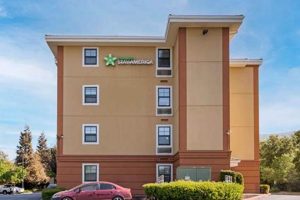
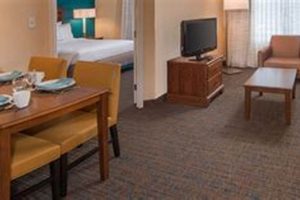
Lodgings designed for longer-term stays often offer reduced pricing for week-long bookings. These accommodations typically feature amenities like kitchenettes and in-suite laundry facilities, providing guests with the conveniences of home. For instance, a traveler relocating for work might secure a lower overall cost by booking a suite for a week versus several consecutive nightly reservations in a standard hotel room.
The availability of cost-effective, longer-term accommodations fills a vital need for various demographics, including business travelers, families relocating, and individuals seeking temporary housing. Historically, options for extended stays were limited and often expensive. The rise of this specific lodging segment has provided greater flexibility and affordability, allowing guests to manage costs effectively during transitions and longer projects. This model benefits both travelers seeking value and the hospitality industry by filling a niche market.
Further exploration of this topic will cover factors influencing pricing, strategies for finding the best deals, and comparing different extended stay brands and their offerings.
Tips for Securing Cost-Effective Extended Stays
Securing affordable accommodations for longer durations requires strategic planning and consideration of various factors. The following tips provide guidance for optimizing lodging expenses.
Tip 1: Book in Advance: Reserving accommodations well ahead of the anticipated stay often unlocks lower rates, especially during peak seasons. Early bookings allow access to a wider selection of properties and room types.
Tip 2: Consider Location: Properties located further from city centers or popular attractions may offer more competitive pricing. Evaluating proximity to essential amenities and transportation options can help balance cost and convenience.
Tip 3: Travel During the Off-Season: Traveling during less popular times can yield substantial savings. Researching local events and holidays can help identify periods of lower demand and potentially cheaper rates.
Tip 4: Compare Different Brands and Websites: Various extended stay brands and online travel agencies offer diverse pricing structures. Comparing options across multiple platforms can reveal significant cost differences.
Tip 5: Look for Package Deals and Promotions: Many lodging providers offer package deals that include amenities such as breakfast, internet access, or parking. Exploring these options can provide added value and reduce overall expenses.
Tip 6: Negotiate Directly with the Property: Contacting the hotel directly and inquiring about potential discounts or negotiating a lower weekly rate can sometimes be successful, particularly for longer stays.
Tip 7: Be Flexible with Dates: Shifting arrival and departure dates by a few days can sometimes significantly impact the overall cost. Flexibility with travel dates allows for capitalizing on lower rates.
By implementing these strategies, travelers can significantly reduce lodging expenses while maintaining comfortable and convenient accommodations during extended trips.
Careful planning and informed decision-making are key to securing the best possible value in extended stay accommodations. The next section will delve deeper into specific brand comparisons and offer further insights into cost-saving measures.
1. Location

Geographical location plays a significant role in determining the cost of extended stay accommodations. Understanding the relationship between location and pricing empowers travelers to make informed decisions aligned with budgetary constraints and desired amenities.
- Proximity to City Centers:
Properties situated within bustling city centers often command premium prices due to their convenient access to business districts, entertainment venues, and transportation hubs. Conversely, accommodations located further from the urban core typically offer more competitive rates, potentially requiring greater reliance on personal or public transportation.
- Accessibility to Transportation:
Locations with readily available public transportation or convenient highway access can influence pricing. Easy access to major roadways may reduce transportation costs, while proximity to public transit can eliminate the need for a rental vehicle. Properties near airports or train stations, while convenient, often reflect this advantage in their pricing.
- Local Amenities and Attractions:
The presence of nearby amenities, such as restaurants, grocery stores, and entertainment options, can impact pricing. Areas with a high concentration of attractions or business centers often correlate with higher accommodation costs. Properties in less densely populated areas with fewer attractions may present more budget-friendly options.
- Competition and Market Dynamics:
The level of competition within a specific location influences pricing. Areas saturated with extended stay hotels may experience more competitive pricing pressures, benefiting budget-conscious travelers. Locations with limited extended stay options might exhibit less price fluctuation.
Strategic consideration of location allows travelers to balance cost and convenience effectively. Evaluating proximity to desired amenities, transportation options, and the overall market dynamics within a specific location contributes significantly to securing cost-effective extended stay accommodations.
2. Amenities

The availability and quality of amenities significantly influence the perceived value and pricing of extended stay hotels. While the core objective of securing cheap weekly rates remains paramount, understanding the role amenities play in overall cost and comfort is crucial. Certain amenities contribute directly to cost savings, while others enhance the convenience and livability of longer stays.
Cost-Saving Amenities: In-suite kitchens, featuring refrigerators, microwaves, and cooktops, allow guests to prepare meals independently, reducing reliance on expensive restaurant dining. Laundry facilities within the hotel or suite minimize the need for costly external laundry services. These amenities directly contribute to lower overall expenses during extended stays. For example, a family traveling with children can significantly reduce food costs by utilizing an in-suite kitchen. Similarly, business travelers on extended assignments can save on laundry expenses by using on-site facilities.
Convenience and Comfort Amenities: High-speed internet access facilitates remote work and communication, essential for many modern travelers. On-site fitness centers and swimming pools offer opportunities for exercise and recreation without incurring additional costs. While not directly impacting weekly rates, these amenities enhance the quality of life during longer stays and can influence property selection. A business traveler might prioritize reliable internet access, while a family might value a swimming pool for children’s entertainment.
Balancing cost and desired amenities requires careful consideration. Opting for properties with essential cost-saving features, such as kitchenettes and laundry facilities, directly contributes to achieving cheap weekly rates. Evaluating the availability of other desirable amenities enhances the overall experience without necessarily escalating costs. Understanding this interplay between amenities and pricing empowers informed decision-making and optimizes value during extended stays. Recognizing which amenities align with individual needs and budgetary constraints contributes to a more satisfying and cost-effective experience.
3. Duration
The length of stay plays a pivotal role in determining the overall cost and potential savings associated with extended stay accommodations. Understanding the relationship between duration and pricing is crucial for maximizing value and securing competitive weekly rates. Longer stays often unlock discounted pricing structures, incentivizing guests to commit to more extended bookings.
- Minimum Stay Requirements:
Many extended stay hotels implement minimum stay requirements to qualify for discounted weekly rates. These requirements typically range from several days to a full week. Meeting or exceeding these minimums unlocks access to lower pricing tiers. For instance, a hotel might require a minimum five-night stay to access their weekly rate, encouraging longer bookings and optimizing occupancy.
- Weekly vs. Nightly Rates:
Comparing weekly rates to the cumulative cost of multiple nightly bookings reveals potential savings. Extended stay hotels often structure pricing to incentivize longer stays, making weekly rates significantly cheaper than booking several consecutive nights. This pricing model benefits both the guest and the hotel, promoting occupancy and offering cost savings for extended stays.
- Long-Term Stay Discounts:
Properties frequently offer additional discounts for stays exceeding a certain duration, such as monthly or quarterly bookings. These extended stay discounts provide further cost savings for guests requiring accommodations for prolonged periods. A business traveler relocating for a project might secure a substantial discount by committing to a monthly stay.
- Negotiating Longer Stays:
Directly contacting the hotel and inquiring about potential discounts for longer durations can yield positive results. Negotiating rates, especially for stays exceeding standard durations, can unlock further cost savings beyond advertised weekly rates. Flexibility with dates and willingness to commit to longer-term bookings often strengthens negotiating power.
Strategic consideration of duration significantly impacts overall accommodation expenses. Understanding minimum stay requirements, comparing weekly and nightly rates, exploring long-term stay discounts, and negotiating longer durations empower travelers to optimize cost savings. Aligning the length of stay with available pricing structures contributes significantly to securing the most cost-effective accommodations for extended stays. Careful planning and understanding the interplay between duration and pricing is key to maximizing value within this specific lodging segment.
4. Brand

Brand recognition plays a significant role in the selection of extended stay accommodations, influencing perceived value, expected service levels, and ultimately, pricing. Understanding the relationship between brand and pricing within the extended stay market empowers informed decision-making and facilitates securing accommodations aligned with budgetary constraints and desired quality standards.
- Budget-Friendly Brands:
Certain brands cater specifically to budget-conscious travelers, prioritizing essential amenities and competitive pricing over luxury features. These brands often offer basic but comfortable accommodations with kitchenettes and laundry facilities, focusing on functionality and affordability. Examples include WoodSpring Suites and InTown Suites. Opting for these brands contributes directly to securing cheap weekly rates while meeting basic needs for extended stays.
- Mid-Range Brands:
Mid-range brands offer a balance between cost and amenities, providing a wider range of services and slightly more upscale accommodations compared to budget brands. They often include features such as complimentary breakfast, fitness centers, and swimming pools, appealing to travelers seeking additional comfort and convenience. Examples include Candlewood Suites and Staybridge Suites. These brands offer a compromise between affordability and enhanced amenities.
- Upscale Extended Stay Brands:
Upscale brands prioritize comfort, service, and a wider range of amenities, often targeting business travelers or those seeking a more luxurious extended stay experience. These brands may offer larger suites, enhanced business services, and premium amenities, reflecting their higher price point. Examples include Residence Inn by Marriott and Homewood Suites by Hilton. While offering enhanced comfort and services, these brands typically command higher weekly rates.
- Brand Loyalty Programs:
Participating in brand loyalty programs can unlock discounted rates, exclusive perks, and added value across various brands. Many extended stay chains offer loyalty programs that reward repeat bookings with points, free nights, or other benefits. Leveraging these programs can contribute to securing cheaper weekly rates and maximizing value over time. Comparing loyalty programs across different brands reveals potential advantages and helps identify opportunities for increased savings and benefits.
Selecting a brand aligned with individual needs and budgetary constraints significantly impacts the overall cost of extended stays. Recognizing the distinctions between budget-friendly, mid-range, and upscale brands, and leveraging loyalty programs strategically, empowers travelers to secure cheap weekly rates without compromising on essential amenities or desired comfort levels. Careful brand selection contributes significantly to optimizing value within the extended stay market. Analyzing brand offerings relative to individual needs ensures a more satisfying and cost-effective extended stay experience.
5. Booking Method
Booking method significantly influences the cost of extended stay accommodations. Various approaches exist, each offering potential advantages and disadvantages regarding securing cheap weekly rates. Understanding these nuances empowers travelers to make informed decisions aligned with budgetary goals.
Direct Booking through Hotel Websites: Booking directly through the hotel’s official website often provides access to exclusive deals and promotions not available through third-party platforms. This method also allows for direct communication with the property, facilitating potential negotiation of rates or requests for specific room types or amenities. For instance, a traveler seeking a specific view or requiring accessible accommodations benefits from direct interaction with the hotel. Direct booking may also provide greater flexibility for modifications or cancellations.
Online Travel Agencies (OTAs): Utilizing online travel agencies, such as Expedia, Booking.com, or Hotels.com, offers access to a broader range of properties and potentially competitive pricing through aggregated listings and bundled deals. OTAs often feature price comparison tools, enabling quick identification of the most affordable options across various brands and locations. However, reliance on OTAs may limit direct communication with the property and potentially introduce additional booking fees. A traveler comparing various properties within a specific location might find OTAs beneficial for initial research and price comparison.
Membership Programs and Discount Platforms: Leveraging membership programs, such as AAA or AARP, or utilizing discount platforms like Groupon or LivingSocial, can unlock discounted rates or exclusive offers. These platforms often feature limited-time deals or special promotions for extended stay accommodations, providing opportunities for significant cost savings. However, these deals may come with specific restrictions or limitations regarding dates, room types, or available amenities. A traveler planning a trip well in advance might benefit from monitoring these platforms for potential deals.
Strategic selection of booking method contributes significantly to securing cheap weekly rates. Direct booking empowers negotiation and personalized service, while OTAs offer broader comparison options. Membership programs and discount platforms present opportunities for substantial savings but require careful consideration of potential restrictions. Integrating these factors into the decision-making process optimizes the potential for cost-effective extended stay accommodations.
6. Seasonality

Seasonality significantly influences pricing within the extended stay hotel market. Understanding the cyclical nature of demand and its impact on weekly rates empowers travelers to strategically time bookings and maximize cost savings. Occupancy rates fluctuate throughout the year, correlating with travel patterns, local events, and overall market dynamics. Recognizing these patterns is crucial for securing affordable accommodations.
- Peak Season:
Peak seasons, often coinciding with holidays, school breaks, or major local events, typically experience heightened demand, driving prices upward. During these periods, extended stay hotels often operate at or near full capacity, limiting availability and reducing the likelihood of discounted weekly rates. For example, coastal destinations experience peak demand during summer months, while cities hosting major conventions or festivals face increased occupancy during event dates. Booking well in advance or considering alternative travel dates becomes essential for securing affordable accommodations during peak seasons.
- Shoulder Season:
Shoulder seasons, the periods immediately before and after peak seasons, offer a balance between desirable weather conditions and lower demand. These transitional periods often present opportunities for securing cheaper weekly rates as occupancy levels stabilize and hotels seek to attract guests. For instance, traveling to a ski resort during the spring or fall offers pleasant weather and potentially lower accommodation costs compared to the peak winter season. Capitalizing on shoulder season travel maximizes value by balancing cost savings with favorable conditions.
- Off-Season:
Off-season periods, characterized by lower demand due to less favorable weather conditions or fewer attractions, represent significant opportunities for securing the cheapest weekly rates. During these times, extended stay hotels often implement aggressive pricing strategies to attract guests, providing substantial cost savings for budget-conscious travelers. For example, traveling to a desert destination during the summer months might offer significantly reduced rates due to extreme heat, appealing to travelers prioritizing cost savings over ideal weather. Understanding these off-season patterns allows for substantial budget optimization.
- Local Events and Holidays:
Local events and holidays exert significant influence on demand and pricing. Major conferences, festivals, or sporting events can dramatically increase occupancy rates, driving prices upward. Researching local calendars and anticipating these periods of increased demand allows for informed decision-making. Booking well in advance or considering alternative dates avoids inflated prices associated with event-driven demand. For example, a city hosting a major sporting event will likely experience a surge in hotel bookings, impacting availability and pricing.
Strategic consideration of seasonality empowers travelers to align booking dates with periods of lower demand, maximizing the potential for securing cheap weekly rates. Understanding the interplay between peak seasons, shoulder seasons, off-season periods, and local events provides valuable insights for optimizing accommodation expenses. Integrating these factors into the decision-making process contributes significantly to securing cost-effective extended stay accommodations. Balancing desired travel dates with seasonal pricing fluctuations empowers travelers to maximize value within the extended stay market.
Frequently Asked Questions
This section addresses common inquiries regarding securing cost-effective extended stay accommodations.
Question 1: How far in advance should one book for optimal weekly rate savings?
Booking several weeks or even months in advance typically yields the most favorable pricing, especially during periods of high demand. Last-minute bookings often incur higher rates due to limited availability.
Question 2: Are amenities like kitchenettes and laundry facilities universally included in extended stay accommodations?
While common, the inclusion of specific amenities varies by brand and property. Confirming amenity availability prior to booking is recommended to ensure alignment with individual needs.
Question 3: Do all extended stay hotels offer weekly rates, or are nightly rates the standard pricing model?
Most extended stay hotels offer discounted weekly rates, specifically designed for longer stays. However, comparing both nightly and weekly rates ensures optimal cost-effectiveness for the specific duration required.
Question 4: How do brand reputations correlate with pricing within the extended stay market?
Generally, more established brands with reputations for higher service levels and quality command higher prices. Budget-conscious travelers might prioritize lesser-known brands for potential cost savings.
Question 5: Do online travel agencies always guarantee the lowest prices for extended stay accommodations?
While OTAs offer valuable price comparison tools, booking directly through hotel websites sometimes unlocks exclusive deals or member-only rates unavailable elsewhere. Comparing across various platforms is advised.
Question 6: How significantly does location influence the weekly rates of extended stay hotels?
Location plays a substantial role in pricing. Properties situated in prime locations, near city centers or popular attractions, typically command higher rates compared to those in less desirable or accessible areas.
Careful consideration of these frequently asked questions provides valuable insight for securing affordable extended stay accommodations. Proactive planning and informed decision-making contribute significantly to maximizing value and optimizing travel budgets.
For further guidance, the following section delves deeper into specific brand comparisons and provides detailed analysis of various extended stay chains.
Extended Stay Hotels
Securing cost-effective extended stay accommodations requires a multifaceted approach encompassing strategic planning and informed decision-making. Factors such as location, amenities, duration of stay, brand selection, booking method, and seasonality significantly influence overall pricing. Prioritizing essential amenities like kitchenettes and laundry facilities contributes directly to minimizing expenses during longer stays. Careful comparison of weekly rates across various brands and booking platforms empowers travelers to identify optimal value propositions. Leveraging brand loyalty programs and capitalizing on off-season travel opportunities further enhances cost savings.
The extended stay hotel market caters to diverse needs and budgets, offering flexible accommodations for both leisure and business travelers. Strategic navigation of this market empowers individuals to secure comfortable and convenient lodging solutions without compromising budgetary constraints. Informed decision-making, coupled with proactive planning, unlocks the potential for significant cost savings within the extended stay landscape.