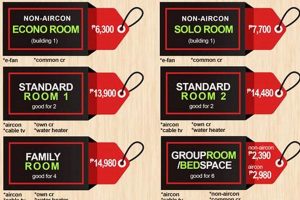
Extended stays in lodging accommodations represent a distinct segment of the hospitality industry. This type of accommodation often caters to individuals relocating, undergoing temporary work assignments, or experiencing displacement due to home renovations. A typical example includes professionals on project-based employment requiring housing for several weeks or even months at a time.
This approach to accommodation offers several advantages compared to traditional nightly or weekly hotel stays. Cost savings through negotiated monthly rates often represent a significant benefit. Furthermore, furnished units with kitchen facilities offer greater convenience and flexibility. Historically, extended stay options were limited, often involving less desirable or less conveniently located properties. However, the market has evolved significantly, with major hotel chains now offering specialized extended stay brands and facilities designed specifically for this purpose. This evolution reflects increasing demand and the growing recognition of the specific needs of long-term guests.
The factors influencing pricing and availability for longer-term accommodations are multifaceted. Understanding these factors, including location, seasonality, and specific amenities, is crucial for both consumers and businesses. The following sections will delve deeper into these aspects, exploring strategies for securing optimal rates and choosing the right accommodation type for specific needs.
Tips for Securing Optimal Extended Stay Accommodations
Navigating the extended stay market requires careful consideration of various factors to ensure a comfortable and cost-effective experience. The following tips offer guidance for securing the best possible arrangements.
Tip 1: Book in Advance: Securing accommodations well in advance, especially during peak seasons or in high-demand locations, can significantly impact availability and pricing. Early bookings often unlock access to better rates and a wider selection of properties.
Tip 2: Negotiate Rates: For stays exceeding a month, negotiating rates directly with the property management can yield substantial savings. Flexibility with dates and length of stay can strengthen negotiating power.
Tip 3: Consider Location: Proximity to work, amenities, and transportation should be carefully evaluated. Factor in commute times and access to essential services like grocery stores and pharmacies.
Tip 4: Evaluate Amenities: Assess the availability of in-room amenities such as kitchen facilities, laundry, and internet access. These features can significantly impact convenience and overall cost-effectiveness, especially for longer stays.
Tip 5: Review Policies: Thoroughly review cancellation policies, pet policies, and any other relevant terms and conditions before booking. Understanding these policies can prevent unexpected costs or complications.
Tip 6: Compare Different Property Types: Explore various extended stay options, including apartment hotels, serviced apartments, and corporate housing. Each option offers unique features and benefits catering to specific needs and budgets.
Tip 7: Read Reviews: Consulting online reviews and testimonials from previous guests provides valuable insights into the property’s quality, cleanliness, and overall guest experience.
By considering these factors, individuals and businesses can effectively navigate the extended stay market and secure comfortable, convenient accommodations that align with their budgets and requirements.
Careful planning and informed decision-making are essential for a positive extended stay experience. The next section will offer concluding thoughts on optimizing long-term accommodations.
1. Monthly Rates

Securing accommodations for extended durations necessitates a thorough understanding of monthly rates. These rates represent the cost of occupying a hotel room for a full calendar month and differ significantly from shorter-term, daily, or weekly rates. Analyzing these rates is crucial for budget management and optimizing long-term accommodation expenses.
- Negotiated Rates
Unlike standard daily or weekly rates, monthly rates often provide opportunities for negotiation. Properties may offer discounted rates for extended stays, incentivizing longer-term occupancy. Negotiating directly with the property management can result in substantial cost savings, particularly during off-peak seasons or for extended periods.
- Inclusive Amenities
Monthly rates often include amenities not typically bundled with shorter stays. These can include parking, internet access, laundry services, and access to fitness facilities. Understanding which amenities are included in the monthly rate helps assess the overall value and compare different properties effectively.
- Lease Agreements
Extended stays at monthly rates frequently involve lease agreements. These agreements outline the terms and conditions of the stay, including payment schedules, cancellation policies, and responsibilities of both the guest and the property. Careful review of these agreements is essential to avoid potential disputes or unexpected costs.
- Rate Variations
Monthly rates can vary based on several factors, including location, seasonality, demand, and room type. Properties in prime locations or during peak tourist seasons typically command higher rates. Researching rates across different properties and time periods can aid in identifying the most cost-effective options.
By carefully considering these aspects of monthly rates, individuals and businesses can make informed decisions regarding long-term accommodations. Understanding the nuances of rate structures, included amenities, lease agreements, and market fluctuations empowers consumers to secure the best possible value and manage accommodation expenses effectively.
2. Lease Terms

Lease terms govern the occupancy agreement between a guest and a property for extended stays, typically exceeding 30 days, often referred to as “hotel room per month” arrangements. These terms delineate the specific conditions, rights, and responsibilities of both parties, establishing a contractual framework for the duration of the stay. A clear understanding of these terms is crucial for avoiding potential disputes and ensuring a smooth, predictable experience. Lease terms directly influence the financial implications of extended stays, defining payment schedules, security deposits, and potential penalties for early termination. For example, a lease might stipulate monthly payments in advance, a refundable security deposit equivalent to one month’s rent, and a penalty equivalent to two weeks’ rent for breaking the lease before a specified date. This contractual clarity provides financial predictability for both the guest and the property.
Furthermore, lease terms outline specific conditions related to property use, including occupancy limits, pet policies, and restrictions on smoking or other activities. These stipulations aim to preserve the property’s condition and ensure a harmonious environment for all occupants. For instance, a lease might specify a maximum occupancy of two adults and two children, prohibit pets, and impose a strict no-smoking policy within the unit. Such clauses protect the property’s value and contribute to a consistent guest experience. Understanding these conditions in advance enables guests to choose accommodations aligning with their lifestyle and needs.
In summary, lease terms play a vital role in structuring extended stay arrangements. They provide a framework for financial transactions, outline acceptable use of the property, and protect the interests of both guests and property owners. Careful review and comprehension of these terms are essential for a successful and predictable long-term stay experience. Failing to understand the nuances of lease terms can lead to unexpected financial burdens or disputes, highlighting the practical significance of this aspect of extended stay accommodations. This understanding empowers informed decision-making and contributes to a positive and productive long-term stay experience.
3. Location
Location exerts a significant influence on the cost and desirability of extended stay accommodations. Proximity to business districts, transportation hubs, and local amenities directly impacts pricing. Properties situated in prime urban centers or near major corporate offices often command higher monthly rates due to increased demand and convenience. Conversely, accommodations in less central or suburban areas may offer more competitive pricing, potentially requiring trade-offs in commute times or access to services. For example, a furnished apartment near a major financial district might command a premium, while a comparable unit in a nearby suburb could offer significant cost savings. This geographic pricing variance underscores the importance of location as a key determinant of overall cost.
Beyond pricing, location influences the practicality and suitability of extended stay options. Access to essential services like grocery stores, pharmacies, and healthcare facilities plays a crucial role in the convenience of long-term stays. Furthermore, proximity to recreational facilities, parks, and cultural attractions can significantly enhance the quality of life for extended stay guests. A property located within walking distance of daily necessities and recreational options offers greater convenience and reduces reliance on personal vehicles. Conversely, a location requiring extensive travel for basic needs can diminish the overall appeal of an extended stay, particularly for those without personal transportation. This interplay between location and lifestyle needs emphasizes the practical significance of location in the decision-making process.
In summary, location functions as a critical factor in evaluating extended stay accommodations. Its influence extends beyond mere cost, impacting convenience, lifestyle, and overall suitability. Careful consideration of location, alongside individual needs and priorities, ensures a successful and satisfying long-term stay experience. Balancing budgetary constraints with proximity to essential services and desired amenities presents a central challenge in optimizing accommodation choices. Understanding the multifaceted impact of location empowers informed decision-making and contributes to a more positive and productive extended stay experience.
4. Amenities Provided

The range and quality of amenities significantly influence the overall experience and value proposition of extended hotel stays, often referred to as “hotel room per month” arrangements. These amenities cater to the specific needs of long-term guests, differentiating extended stay properties from traditional hotels. Understanding the available amenities is crucial for evaluating the suitability and cost-effectiveness of various options.
- Kitchen Facilities
In-room kitchen facilities are a hallmark of extended stay accommodations, providing guests with the convenience and cost savings of preparing meals independently. These facilities typically include a refrigerator, microwave, stovetop, and basic cookware. The availability of a kitchen reduces reliance on restaurant dining, a significant expense during extended trips. This feature caters particularly well to budget-conscious travelers and families.
- Laundry Facilities
Access to laundry facilities within the property or individual units offers substantial convenience for long-term guests. This amenity eliminates the need for costly outsourcing or inconvenient trips to laundromats. In-suite laundry appliances, such as washers and dryers, further enhance convenience and privacy. This feature proves particularly valuable for business travelers and families requiring frequent laundering.
- Internet Access
Reliable high-speed internet access is essential for modern travelers, especially those working remotely or requiring consistent communication. Extended stay properties typically offer complimentary Wi-Fi, often with higher bandwidth options available for demanding tasks like video conferencing or large file transfers. Consistent internet connectivity is crucial for maintaining productivity and staying connected during extended absences from home or office.
- Housekeeping Services
The frequency and comprehensiveness of housekeeping services vary across extended stay properties. Some offer daily housekeeping similar to traditional hotels, while others provide weekly or bi-weekly cleaning. Understanding the housekeeping schedule allows guests to set expectations and maintain a comfortable living environment during extended stays.
The provision of these amenities contributes significantly to the appeal and practicality of extended stay accommodations. Careful consideration of these amenities, alongside factors such as location and cost, empowers informed decision-making and enhances the overall experience of long-term stays. The presence and quality of these amenities directly influence guest satisfaction and the perceived value of extended stay options, highlighting their importance in the hospitality market.
5. Furnishing

Furnishing plays a pivotal role in the suitability and comfort of extended hotel stays, often referred to as “hotel room per month” arrangements. The level and quality of furnishings contribute significantly to the overall living experience, impacting both practicality and ambiance. Understanding the various facets of furnishing within this context is crucial for selecting appropriate accommodations for long-term occupancy.
- Basic Furnishings
Basic furnishings represent the foundational elements found in most extended stay accommodations. These typically include a bed, dresser, nightstand, desk, and chair. This level of furnishing provides essential functionality, creating a minimally viable living space suitable for short-term or budget-conscious extended stays. For example, a studio apartment targeting business travelers might prioritize functionality over luxury, offering a simple yet comfortable workspace and sleeping arrangements.
- Full Furnishings
Fully furnished accommodations extend beyond basic necessities, offering a more comprehensive and comfortable living environment. In addition to the basics, these units typically include a sofa, coffee table, dining table and chairs, and additional lighting. This enhanced level of furnishing creates a more home-like atmosphere, suitable for families or individuals seeking greater comfort during extended stays. A fully furnished apartment might include a well-equipped kitchen, a comfortable living area, and ample storage, catering to the needs of those relocating or undergoing home renovations.
- Appliance Availability
The availability of appliances significantly impacts the practicality and convenience of extended stays. Essential appliances typically include a refrigerator, microwave, stovetop, and oven. Additional appliances like dishwashers, washing machines, and dryers further enhance convenience and reduce reliance on external services. The presence and quality of appliances influence a guest’s ability to maintain a comfortable and functional living environment during an extended stay.
- Decor and Aesthetics
Decor and aesthetics, while less critical than functionality, contribute to the overall ambiance and comfort of extended stay accommodations. Elements such as artwork, decorative lighting, and color schemes influence the perceived quality and appeal of a space. Properties targeting specific demographics, such as corporate travelers or families, often tailor their decor to align with these preferences. A well-designed and aesthetically pleasing environment can enhance guest satisfaction and contribute to a more positive long-term stay experience.
The various facets of furnishing, from basic necessities to aesthetic enhancements, collectively contribute to the overall suitability and appeal of extended stay accommodations. Careful consideration of these elements, in conjunction with other factors like location and amenities, enables informed decision-making and ensures a comfortable and productive long-term stay experience. The level of furnishing often correlates with pricing, allowing guests to select accommodations aligning with their budgetary constraints and desired level of comfort.
6. Services Included

Services included within a monthly hotel room arrangement represent a critical component differentiating extended stays from transient lodging. These services contribute significantly to the overall value proposition and influence the suitability of accommodations for long-term occupancy. A comprehensive understanding of the types and quality of services offered is essential for informed decision-making.
Housekeeping frequency constitutes a primary service differentiator. While daily housekeeping is customary in traditional hotels, extended stay properties often offer weekly or bi-weekly service. This reduced frequency reflects the nature of longer-term occupancy and contributes to cost efficiency. For instance, a business traveler on a month-long assignment might prefer less frequent cleaning to minimize disruption, while a family might value more regular service. Similarly, linen and towel replacement schedules align with housekeeping frequency. Some properties offer on-demand replenishment, while others adhere to a fixed schedule. Understanding these policies allows guests to manage expectations and plan accordingly.
Internet access represents a crucial service for contemporary extended stay guests. Reliable high-speed internet is essential for remote work, communication, and entertainment. Many properties offer complimentary Wi-Fi, but connection speed and reliability can vary. Premium internet packages, offering higher bandwidth and enhanced security features, often cater to business travelers or guests with demanding connectivity needs. Furthermore, on-site amenities like fitness centers, business centers, and concierge services enhance the overall convenience and value of extended stays. Availability and accessibility of these services influence property selection, particularly for guests prioritizing specific amenities. Comprehensive knowledge of the included services, combined with an understanding of individual needs and priorities, empowers informed decision-making and contributes to a more satisfactory extended stay experience. This awareness allows guests to select accommodations aligning with their lifestyle and professional requirements, optimizing both comfort and productivity during extended periods away from home.
7. Target Demographic

Target demographics play a crucial role in shaping the offerings and strategies of extended stay accommodations. Understanding the specific needs and preferences of various demographic groups is essential for property owners and managers to effectively cater to their target market. This understanding influences pricing strategies, amenity provisions, and overall marketing efforts, ultimately impacting occupancy rates and revenue generation. Analyzing target demographics enables properties to tailor their services and create a more appealing and valuable experience for specific guest segments.
- Business Travelers
Business travelers constitute a significant portion of the extended stay market. Their needs typically center around convenient locations, reliable internet access, and functional workspaces. Properties catering to this demographic often offer amenities such as business centers, meeting rooms, and complimentary breakfast. For example, a hotel located near a major business district might offer corporate rates and prioritize amenities conducive to remote work. This focus on business-related needs allows properties to attract and retain corporate clients seeking efficient and productive work environments during extended assignments.
- Relocating Individuals and Families
Relocating individuals and families represent another key demographic for extended stay accommodations. Their needs prioritize comfortable living spaces, fully equipped kitchens, and convenient access to essential services like grocery stores and schools. Properties catering to this segment often offer larger units with multiple bedrooms, laundry facilities, and family-friendly amenities. For example, an apartment hotel near a residential area might provide play areas, pet-friendly policies, and flexible lease terms. This focus on creating a home-like environment caters to the unique needs of families transitioning to a new location.
- Traveling Medical Professionals
Traveling medical professionals, including nurses and physicians on temporary assignments, comprise a distinct segment of the extended stay market. Their needs often prioritize proximity to hospitals and medical centers, flexible check-in/check-out options, and comfortable, private spaces for rest and relaxation. Properties catering to this demographic might offer discounted rates for medical personnel, provide transportation assistance, and ensure quiet environments conducive to demanding work schedules. This specialized approach allows properties to attract and retain medical professionals seeking convenient and supportive accommodations during their assignments.
- Project-Based Workers
Project-based workers, engaged in construction, engineering, or other specialized fields, often require extended stay accommodations near project sites. Their needs often emphasize practical amenities like kitchen facilities, laundry services, and comfortable living spaces suitable for longer-term occupancy. Properties targeting this demographic might offer competitive group rates, provide transportation to project sites, and offer flexible lease terms aligning with project durations. This targeted approach addresses the specific requirements of project-based workers, ensuring convenient and cost-effective accommodations during extended project assignments.
Understanding and catering to these distinct demographic groups allows extended stay properties to optimize their offerings, attract specific guest segments, and maximize occupancy and revenue. By tailoring services, amenities, and marketing strategies to the specific needs of target demographics, properties can establish a competitive advantage within the extended stay market. This strategic approach contributes to long-term sustainability and success within the hospitality industry, demonstrating the crucial link between target demographic analysis and the effective management of extended stay accommodations. This targeted approach strengthens a property’s market position and contributes to its overall success.
Frequently Asked Questions about Extended Hotel Stays
This section addresses common inquiries regarding extended hotel stays, offering clarity on various aspects of long-term accommodations.
Question 1: How do monthly rates for extended stays compare to daily or weekly rates?
Monthly rates typically offer significant cost savings compared to daily or weekly rates. Properties often incentivize longer-term occupancy with discounted monthly pricing structures. However, the specific discount varies depending on location, season, and property type.
Question 2: What lease terms typically apply to extended hotel stays?
Lease terms for extended stays generally involve a fixed period, often 30 days or longer, with specific conditions regarding payment schedules, cancellation policies, and guest responsibilities. Lease agreements provide a contractual framework for both the guest and the property, outlining the terms and conditions of the extended stay.
Question 3: How does location influence the cost of extended stays?
Location significantly impacts pricing. Properties in prime urban centers or near business districts typically command higher rates due to increased demand and convenience. Accommodations in less central areas may offer more competitive pricing.
Question 4: What amenities are typically included in extended stay accommodations?
Extended stay accommodations typically include amenities catering to long-term guests, such as kitchen facilities, laundry services, and reliable internet access. The specific amenities vary depending on the property and room type.
Question 5: What are the typical furnishing options for extended stay rooms or suites?
Furnishing options range from basic necessities like a bed, dresser, and desk to fully furnished units including sofas, dining tables, and additional living space furniture. The level of furnishing often correlates with the price and target demographic of the property.
Question 6: What services are typically included in a monthly hotel room arrangement?
Services included in extended stays can encompass housekeeping (often weekly or bi-weekly), linen and towel replacement, internet access, and access to on-site amenities like fitness centers or business centers. The specific services vary depending on the property.
Understanding these aspects of extended hotel stays enables informed decision-making and facilitates a smooth and comfortable long-term accommodation experience. Careful consideration of these frequently asked questions assists in aligning accommodation choices with individual needs and budgetary constraints.
For further inquiries or specific property information, direct contact with the chosen accommodation provider is recommended.
Extended Hotel Stays
This exploration of extended hotel stays, often framed as “hotel room per month” arrangements, has provided a detailed examination of key factors influencing this segment of the hospitality industry. From the financial implications of monthly rates and lease terms to the practical considerations of location, amenities, furnishings, and included services, a thorough understanding of these elements is crucial for both consumers and providers. The analysis also highlighted the significance of target demographics in shaping the offerings and strategies of extended stay properties, emphasizing the diverse needs of business travelers, relocating individuals, medical professionals, and project-based workers. Understanding these distinct needs allows properties to tailor their services and create a more appealing and valuable experience for specific guest segments.
The extended stay market continues to evolve in response to changing travel patterns and long-term accommodation needs. Careful consideration of the factors outlined herein empowers informed decision-making, contributing to positive and productive experiences for long-term guests. As the demand for flexible and cost-effective accommodations grows, a comprehensive understanding of the extended stay landscape becomes increasingly valuable for both individuals and businesses seeking optimal lodging solutions.