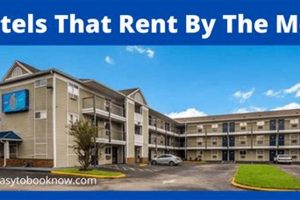
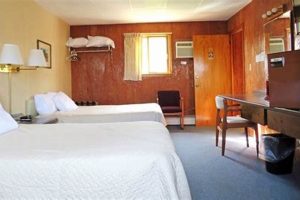
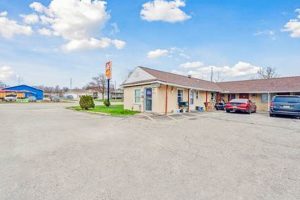
Budget-friendly extended-stay accommodations offer an alternative to traditional hotels and apartments, providing furnished rooms and often kitchenettes for guests seeking affordable lodging for weeks, months, or even longer. These establishments cater to individuals relocating, experiencing temporary housing needs, or working on long-term projects.
Extended stays at economical lodging options present a significant advantage for travelers on a budget. The cost savings compared to conventional hotels can be substantial, particularly for longer durations. This affordability allows guests to allocate their resources to other necessities or experiences. Historically, these types of accommodations evolved from tourist courts and motor lodges, adapting to the changing needs of the traveling public seeking more permanent or semi-permanent housing solutions. This demand created a niche market for affordable, flexible lodging.
The following sections will delve into crucial aspects of selecting and utilizing budget-conscious extended-stay lodging, covering topics such as identifying reputable establishments, understanding typical amenities and services, and maximizing cost-effectiveness during an extended stay.
Tips for Selecting Extended-Stay Budget Lodging
Locating suitable and cost-effective accommodations for extended durations requires careful planning and consideration. The following tips offer guidance for navigating the selection process.
Tip 1: Research Thoroughly: Utilize online resources, review platforms, and local directories to gather information on available establishments. Pay close attention to guest reviews regarding cleanliness, safety, and management responsiveness.
Tip 2: Compare Amenities: Evaluate the offered amenities, such as kitchen facilities, laundry access, and Wi-Fi availability, based on individual needs. Some locations may offer additional services like weekly housekeeping or on-site parking.
Tip 3: Consider Location: Proximity to essential services, transportation, and employment centers should factor into the decision-making process. A convenient location can significantly impact overall convenience and cost savings.
Tip 4: Inquire About Discounts: Many establishments offer discounted weekly or monthly rates. Negotiating a lower price for longer-term stays is often possible.
Tip 5: Verify Policies: Carefully review cancellation policies, pet policies, and any other relevant terms and conditions before booking. Understanding these policies can prevent unexpected costs or complications.
Tip 6: Inspect Before Booking: If possible, visit the property in person before committing to a long-term stay. This allows for a firsthand assessment of the room’s condition, cleanliness, and overall suitability.
Tip 7: Secure a Written Agreement: Obtain a written agreement outlining the terms of the stay, including the agreed-upon rate, duration, and any included services. This protects both the guest and the establishment.
By following these guidelines, individuals can secure comfortable, affordable, and appropriate accommodations for their extended-stay needs, minimizing potential issues and maximizing value.
The concluding section will summarize key takeaways and offer final recommendations for a successful extended stay experience.
1. Affordability

Affordability stands as a primary driver in the selection of extended-stay accommodations. Budget constraints often necessitate prioritizing cost-effectiveness, making economical lodging options a practical choice for individuals seeking temporary or long-term housing.
- Daily and Weekly Rates:
Lower daily and weekly rates compared to traditional hotels constitute a significant advantage. These reduced costs accumulate substantial savings over extended periods, allowing guests to allocate funds towards other essential expenses. For example, a weekly rate of $200 compared to a hotel’s daily rate of $75 translates to significant savings over a month.
- Reduced Overhead Costs:
Amenities like kitchenettes contribute to affordability by reducing reliance on restaurant meals. Preparing meals within the accommodation minimizes food expenses, a crucial factor for long-term budget management. This self-sufficiency distinguishes extended stays from traditional hotel experiences.
- Utility Inclusions:
Inclusion of utilities within the rental rate, such as water, electricity, and internet access, offers predictable budgeting and avoids unexpected expenses. This transparency simplifies financial planning for long-term stays and allows for more accurate cost projections.
- Negotiated Rates for Extended Stays:
Opportunities for negotiating lower rates for extended stays, particularly for multiple weeks or months, further enhance affordability. This flexibility allows guests to secure more favorable terms and maximize cost savings based on their individual circumstances and the duration of their stay.
The convergence of these factors positions budget-conscious extended-stay options as a viable solution for individuals seeking affordable housing solutions without compromising essential needs. Careful consideration of these financial aspects contributes significantly to a successful and economical extended-stay experience.
2. Location

The location of budget-friendly extended-stay accommodations plays a crucial role in the overall experience, impacting convenience, accessibility, and cost-effectiveness. Careful consideration of location factors is essential for optimizing long-term stays.
- Proximity to Amenities:
Convenient access to essential amenities, such as grocery stores, pharmacies, and laundromats, significantly impacts daily life. A centrally located motel near these services reduces travel time and expenses, enhancing convenience. For example, a location within walking distance of a grocery store eliminates the need for a vehicle or reliance on public transportation for basic necessities.
- Access to Transportation:
Availability of public transportation or proximity to major roadways influences commuting ease and overall accessibility. Locations well-served by public transit or situated near highways facilitate travel to employment centers, social engagements, and other destinations. This convenient access reduces reliance on personal vehicles and associated costs.
- Neighborhood Safety:
The safety of the surrounding neighborhood contributes significantly to peace of mind and overall well-being. Researching crime statistics and selecting accommodations in safe areas is paramount. Choosing a well-lit and secure environment enhances personal safety and reduces potential risks.
- Distance from Key Destinations:
Proximity to key destinations, such as workplaces, schools, or family members, influences daily routines and travel time. Minimizing commute distances optimizes time management and reduces transportation costs. For instance, choosing a location near a workplace eliminates lengthy commutes, saving both time and money.
Strategic location selection significantly enhances the extended-stay experience within budget constraints. A well-chosen location improves daily life, reduces expenses, and optimizes overall convenience. Careful evaluation of these factors contributes to a more positive and cost-effective long-term stay.
3. Amenities
Amenities within budget-conscious extended-stay accommodations significantly influence the overall value and practicality of a long-term stay. While cost remains a primary concern, the availability of specific amenities contributes to comfort, convenience, and long-term satisfaction. Understanding the range of potential amenities and their implications informs decision-making.
- Kitchen Facilities:
The presence of a kitchenette, equipped with a refrigerator, microwave, and often a cooktop, fundamentally distinguishes extended-stay accommodations. This feature empowers guests to prepare meals, reducing reliance on costly restaurants and enhancing dietary control. A kitchenette contributes significantly to long-term cost savings and provides greater flexibility in meal planning. For example, a guest can prepare breakfast and lunch in the room, limiting restaurant expenses to dinner or special occasions.
- Laundry Facilities:
On-site laundry facilities represent a valuable amenity, eliminating the need for external laundromats and associated costs. Access to laundry facilities within the accommodation enhances convenience and reduces time spent on this essential chore. This convenience is particularly beneficial during extended stays, allowing guests to manage laundry needs efficiently without disrupting their routines.
- Internet Access:
Reliable internet access has become essential for work, communication, and entertainment. Complimentary Wi-Fi access represents a significant advantage, enabling guests to maintain connectivity without incurring additional expenses. This amenity facilitates remote work, online communication with family and friends, and access to streaming entertainment services.
- Parking Provisions:
Availability of on-site parking, ideally included in the room rate, contributes significantly to convenience and cost-effectiveness. Secure parking eliminates the need for paid parking facilities and reduces the risk of vehicle-related issues. This amenity is particularly valuable for guests relying on personal vehicles for transportation during their extended stay.
The availability and quality of these amenities significantly impact the overall experience and value proposition of budget-friendly extended-stay accommodations. Careful consideration of these factors allows individuals to select accommodations that best meet their individual needs and priorities within their budgetary constraints. The balance between cost and available amenities ultimately determines the suitability of an extended-stay option for long-term comfort and convenience.
4. Safety
Safety within budget-conscious extended-stay accommodations presents unique considerations. While affordability remains a key factor, compromises on safety should never be accepted. A perception of lower cost correlating with reduced safety can exist, but this is not universally true. Thorough research and proactive measures can mitigate potential risks and ensure a secure environment.
Several factors contribute to safety concerns in such settings. Transient populations and potentially less stringent security measures compared to higher-priced establishments can increase vulnerability. Location plays a significant role; motels situated in areas with higher crime rates statistically present greater risks. External factors, such as inadequate lighting or unsecured access points, compound these vulnerabilities. For instance, a motel with exterior room entrances directly accessible from a dimly lit parking lot presents higher risks than one with interior corridor access and well-lit common areas. Similarly, a lack of robust security measures, such as functioning surveillance cameras or on-site security personnel, can deter criminal activity and enhance guest safety. Neglecting these aspects can expose guests to potential theft, property damage, or even personal harm. Conversely, prioritizing well-lit premises, secure access points, and active security measures demonstrates a commitment to guest safety and can significantly deter potential incidents.
Evaluating safety requires proactive measures. Online reviews often provide insights into past incidents or security concerns. Direct inquiries to management regarding security protocols, such as keycard access, surveillance systems, and on-site staff presence, reveal the establishment’s commitment to guest safety. Choosing locations in safer neighborhoods, even if slightly more expensive, often proves a worthwhile investment in peace of mind. Ultimately, balancing affordability with robust security measures ensures a safe and comfortable extended stay. Prioritizing security enhances the overall experience and minimizes potential risks, allowing guests to focus on their primary reasons for choosing extended-stay accommodations.
5. Cleanliness

Cleanliness stands as a critical factor influencing the overall experience within budget-conscious extended-stay accommodations. While affordability often drives the selection process, compromises on cleanliness can significantly impact comfort, health, and overall well-being. A thorough assessment of cleanliness standards is essential before committing to a long-term stay.
- Room Cleanliness:
The condition of the room itself, including the bedding, bathroom, and furnishings, directly impacts comfort and hygiene. Stained linens, unclean bathrooms, or dusty surfaces detract significantly from the living experience. For example, the presence of hair or stains on bedding raises immediate concerns about sanitation practices. Thoroughly inspecting the room upon arrival is crucial. Checking for dust accumulation, examining bathroom fixtures for cleanliness, and scrutinizing bedding for any signs of uncleanliness are essential steps in assessing room hygiene.
- Common Area Hygiene:
The cleanliness of shared spaces, such as lobbies, hallways, and laundry facilities, reflects the overall hygiene standards of the establishment. Unkempt common areas can harbor germs and create an unpleasant environment. For instance, overflowing trash receptacles, stained carpets, or lingering odors in hallways indicate neglect and potential hygiene issues. Observing the general upkeep of these areas provides valuable insights into the management’s commitment to cleanliness.
- Pest Control:
Effective pest control measures are essential for maintaining a healthy and comfortable living environment. Evidence of insect or rodent activity raises serious health concerns and renders the accommodation unsuitable for extended stays. For example, the presence of cockroaches or rodent droppings signifies a potential infestation and requires immediate attention. Inquiring about pest control practices and inspecting the room for any signs of pest activity are crucial steps in ensuring a pest-free environment.
- Hygiene Practices:
The establishment’s cleaning protocols and frequency significantly impact overall hygiene levels. Understanding the cleaning schedule and verifying the thoroughness of cleaning procedures provides valuable insights into the commitment to maintaining a sanitary environment. For example, infrequent cleaning of common areas or inadequate room cleaning between guests can lead to the accumulation of dirt, grime, and potential pathogens. Inquiring about cleaning practices and observing the overall cleanliness of the premises offer valuable insights into the establishment’s hygiene standards.
Cleanliness directly impacts the comfort, health, and safety of extended-stay guests. While budget considerations are valid, neglecting cleanliness can lead to more significant issues, including health problems or discomfort. Prioritizing cleanliness ensures a more positive and healthy long-term stay experience. Evaluating cleanliness alongside affordability contributes to a more informed decision-making process when selecting budget-conscious extended-stay accommodations.
6. Reputation

Reputation significantly influences the selection process for budget-conscious extended-stay accommodations. While cost considerations often take precedence, a motel’s reputation provides valuable insights into the overall guest experience, encompassing factors beyond price. Understanding the components and implications of reputation is crucial for informed decision-making.
- Online Reviews:
Online review platforms offer readily accessible information regarding past guest experiences. Reviews often highlight positive and negative aspects, offering a glimpse into the reality of staying at a particular establishment. For example, consistently positive reviews mentioning cleanliness, helpful staff, and quiet surroundings suggest a well-managed and desirable accommodation. Conversely, recurring complaints about maintenance issues, cleanliness problems, or security concerns raise red flags. Analyzing reviews, considering both positive and negative feedback, offers valuable insights into the potential guest experience.
- Word-of-Mouth Referrals:
Personal recommendations from trusted sources carry significant weight. Word-of-mouth referrals, particularly from individuals with similar needs and priorities, provide valuable firsthand accounts of experiences. For instance, a recommendation from a colleague who recently completed a successful extended stay at a specific motel offers valuable and relatable insights. These personal accounts often complement online reviews and provide a more personalized perspective.
- Local Perception:
The perception of an establishment within the local community can offer valuable insights. Local opinions, often gleaned from community forums or conversations with residents, reveal aspects that online reviews may not capture. For example, a motel known within the local community for its responsive management and commitment to guest safety may not have a significant online presence but still enjoys a positive reputation among local residents. Considering local perspectives provides a more comprehensive understanding of the establishment’s standing within the community.
- Brand Recognition (if applicable):
For motels belonging to larger chains or franchise networks, brand recognition can influence perceptions of quality and consistency. Established brands often adhere to specific standards, offering a degree of predictability in terms of service and amenities. However, individual locations within a chain can deviate from brand standards, so relying solely on brand reputation is insufficient. Brand recognition serves as a starting point, but location-specific research remains essential. For example, while a well-known budget motel chain might generally have a reputation for basic cleanliness, a specific location might have a significantly different reputation due to local management or unique circumstances.
Reputation serves as a valuable tool in navigating the selection process for extended-stay accommodations. By considering online reviews, personal recommendations, local perceptions, and brand recognition (where applicable), individuals can make more informed decisions. Evaluating reputation alongside cost and other factors contributes to selecting an establishment that aligns with individual needs and expectations, ultimately contributing to a positive and comfortable extended-stay experience.
7. Policy Transparency

Policy transparency within budget-conscious extended-stay accommodations constitutes a critical aspect often overlooked during the selection process. While cost considerations frequently dominate decision-making, transparent policies significantly impact the overall guest experience and protect against potential disputes or unexpected charges. Clarity regarding payment terms, cancellation policies, and house rules fosters a more predictable and positive stay.
- Payment Terms:
Clear articulation of accepted payment methods, deposit requirements, and any associated fees prevents misunderstandings and facilitates a smooth check-in process. For example, specifying accepted credit cards, outlining deposit policies, and disclosing any processing fees upfront eliminates ambiguity and potential complications upon arrival. Transparency regarding payment schedules, particularly for long-term stays, ensures clarity and prevents unexpected billing discrepancies. Clear payment terms contribute to a more positive and predictable financial interaction between the guest and the establishment.
- Cancellation Policies:
Well-defined cancellation policies, outlining deadlines, refund procedures, and any applicable penalties, protect both the guest and the establishment. For instance, a clear cancellation policy specifying the timeframe for penalty-free cancellations, the percentage of refund applicable for cancellations within a specific window, and the procedures for initiating a cancellation eliminates uncertainty and facilitates a transparent process in case of unforeseen circumstances requiring a change of plans. Transparent cancellation policies foster trust and provide clarity regarding financial implications in case of cancellations.
- House Rules:
Explicitly stated house rules regarding guest conduct, pet policies, smoking regulations, and quiet hours contribute to a harmonious living environment for all occupants. For example, clearly defined pet policies outlining permissible pet sizes, associated fees, and any restrictions within the premises ensure clarity and manage expectations. Similarly, transparent smoking policies, designating designated smoking areas or enforcing non-smoking throughout the premises, minimize potential conflicts and maintain a comfortable environment for all guests. Clearly communicated house rules promote respectful coexistence among guests and minimize potential disruptions or disputes.
- Additional Fees:
Transparency regarding any additional fees, such as charges for parking, internet access, or pet accommodations, prevents unexpected expenses and facilitates accurate budgeting. Disclosing all potential fees upfront empowers guests to make informed decisions and avoid unpleasant surprises upon checkout. For example, clearly stating parking fees, internet access charges, or pet fees in advance allows guests to factor these costs into their budget and make informed decisions based on their individual needs and preferences. Transparent disclosure of all potential charges contributes to a more positive and predictable financial experience.
Policy transparency fosters trust and facilitates a more positive guest experience within the context of budget-conscious extended-stay accommodations. Open communication and clear articulation of policies protect both the guest and the establishment, minimizing potential misunderstandings and disputes. Prioritizing policy transparency, alongside cost considerations, contributes significantly to a more successful and satisfactory long-term stay experience. By understanding and evaluating these policies, individuals can make informed decisions that align with their needs and expectations, ensuring a smoother and more predictable extended stay.
Frequently Asked Questions about Budget-Friendly Extended Stay Motels
This section addresses common inquiries regarding extended stays at economical lodging establishments.
Question 1: What constitutes an “extended stay?”
Generally, stays exceeding five consecutive nights qualify as extended stays, although specific definitions can vary among establishments.
Question 2: How do rates for extended stays differ from standard nightly rates?
Extended stay rates typically offer significant discounts compared to standard nightly rates, incentivizing longer-term bookings.
Question 3: What amenities are typically included in extended stay accommodations?
Amenities vary, but often include kitchenettes, on-site laundry facilities, and complimentary Wi-Fi access.
Question 4: What are the typical lease terms or agreements for extended stay motels?
Lease terms vary; some establishments operate on weekly agreements, while others require monthly commitments. Written agreements outlining terms and conditions are standard practice.
Question 5: What factors influence the cost of an extended stay?
Several factors influence cost, including location, amenities, seasonality, and the specific establishment’s pricing structure.
Question 6: What security measures are commonly found in these establishments?
Security measures vary, but can include on-site security personnel, surveillance systems, controlled access entry points, and exterior lighting.
Understanding these frequently asked questions clarifies common misconceptions surrounding extended stays in budget-conscious accommodations. This knowledge empowers individuals to make well-informed decisions aligned with individual needs and expectations.
The subsequent section will offer concluding thoughts and recommendations for optimizing extended-stay experiences.
Conclusion
Careful consideration of factors such as location, amenities, safety, cleanliness, reputation, and policy transparency is crucial when evaluating budget-friendly, extended-stay motels. Affordability remains a primary driver, but potential compromises on other critical aspects warrant thorough evaluation. Balancing cost-effectiveness with essential needs and expectations ensures a satisfactory long-term stay experience. Understanding the nuances of extended-stay accommodations empowers informed decision-making and facilitates successful navigation of available options.
Ultimately, successful utilization of extended-stay accommodations requires proactive research, realistic expectations, and careful consideration of individual priorities. The extended-stay lodging market continues evolving to meet diverse needs. Thorough planning and informed decision-making remain essential for optimizing this valuable and adaptable housing solution.