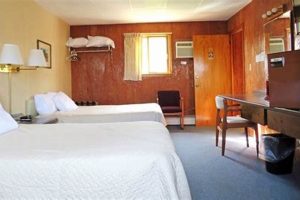
Accommodations designed for travelers with pets often include amenities such as designated pet relief areas, waste disposal stations, and proximity to pet-friendly parks or walking trails. These establishments may also offer in-room features like food and water bowls, pet beds, and easily cleanable flooring. The inclusion of a kitchenette provides guests with the convenience of preparing meals and snacks, offering cost savings and catering to dietary restrictions, both for humans and their animal companions.
The demand for such accommodations reflects the increasing prevalence of pet ownership and the desire to include pets in travel plans. This trend underscores a shift in societal attitudes toward pets, viewing them as integral members of the family. Historically, travelers with pets faced limited lodging options. The rise of these specialized accommodations offers greater flexibility and convenience, allowing more people to experience the joys of travel without leaving their beloved pets behind. This also contributes to the local economy by supporting businesses catering to pet owners.
This article will explore various factors to consider when selecting suitable lodging for both travelers and their pets, including pet policies, available amenities, and location-specific regulations. It will also delve into the practical aspects of traveling with pets, offering tips for a smooth and enjoyable experience.
Tips for Selecting Suitable Pet-Friendly Accommodations with Kitchenettes
Careful planning ensures a comfortable and stress-free stay for both travelers and their animal companions. The following tips offer guidance for selecting accommodations that meet the specific needs of pet owners.
Tip 1: Verify Pet Policies: Policies regarding pet size, breed restrictions, and associated fees should be confirmed directly with the establishment. Written confirmation of these policies is recommended.
Tip 2: Inspect Kitchenette Facilities: Ensure the kitchenette includes necessary appliances and utensils for meal preparation. Consider the availability of pet-friendly dining areas within the accommodation.
Tip 3: Research Nearby Amenities: Proximity to pet-friendly parks, walking trails, and veterinary services can enhance the travel experience. Investigate local regulations regarding pet access to public areas.
Tip 4: Pack Essential Pet Supplies: A well-stocked travel kit for pets should include food, water bowls, medications, vaccination records, leash, and waste disposal bags. Familiar items like bedding and toys can help reduce pet anxiety.
Tip 5: Consider Pet Temperament: Accommodations in quieter locations may be more suitable for pets easily stressed by unfamiliar noises or surroundings. Evaluate the pet’s individual needs when selecting a location.
Tip 6: Plan for Pet Supervision: Leaving pets unattended in unfamiliar environments can lead to anxiety and destructive behaviors. Arrange for appropriate pet supervision or consider crate training for periods when pets must be left alone.
Tip 7: Maintain Cleanliness: Responsible pet ownership includes maintaining the cleanliness of the accommodation. Utilize provided cleaning supplies and promptly address any pet-related messes.
Careful consideration of these factors can significantly contribute to a positive travel experience for both pet owners and their companions. Advance planning and responsible pet ownership ensure a comfortable and enjoyable stay.
By following these guidelines, travelers can minimize potential challenges and maximize the enjoyment of traveling with their pets. This proactive approach fosters a welcoming environment for all guests in pet-friendly establishments.
1. Location

The location of pet-friendly motels with kitchenettes plays a crucial role in the overall travel experience. Strategic positioning near relevant amenities and attractions significantly enhances convenience and enjoyment for both the traveler and their pet. Careful consideration of location-specific factors ensures a smooth and stress-free stay.
- Proximity to Pet-Friendly Areas:
Easy access to parks, walking trails, and designated pet relief areas allows for convenient exercise and socialization opportunities. Locations near beaches or hiking trails offer additional recreational options. For example, a motel near a dog park allows for off-leash playtime, contributing to the pet’s well-being. Conversely, a motel situated in a busy urban area with limited green space may present challenges for pet owners.
- Accessibility of Pet Services:
Proximity to veterinary clinics, pet supply stores, and grooming services provides essential support for pet owners. Ready access to these services offers peace of mind in case of emergencies or unexpected needs. A motel near a 24-hour veterinary clinic offers a safety net for unexpected pet illnesses or injuries. Similarly, easy access to pet supply stores ensures readily available food, medication, and other essential items.
- Distance from Transportation Hubs:
The location of the motel relative to airports, train stations, or major highways influences travel logistics. Convenient access to transportation simplifies arrival and departure, minimizing stress for both traveler and pet. A motel near an airport simplifies travel for those flying with pets. However, proximity to major roadways may introduce noise and safety concerns for pets during walks or outdoor activities.
- Local Regulations and Restrictions:
Researching local ordinances regarding pet access to public spaces, beaches, and transportation is essential. Awareness of these regulations ensures compliance and avoids potential fines or restrictions. Certain beaches may have designated dog-friendly areas or specific times when pets are permitted. Public transportation systems may also have specific rules regarding pet carriers or size restrictions.
A strategic location enhances the overall travel experience for pet owners. Balancing proximity to pet-friendly amenities and services with convenient access to transportation and awareness of local regulations ensures a comfortable and enjoyable stay. Careful consideration of these factors contributes to a positive experience for both the traveler and their pet.
2. Pet Policies

Clear and comprehensive pet policies are integral to the effective operation of pet-friendly motels with kitchenettes. These policies serve as a critical bridge between accommodating guests with pets and maintaining a welcoming environment for all guests. Well-defined policies minimize potential conflicts, ensure responsible pet ownership, and contribute to the overall satisfaction of all visitors. A motel’s pet policy acts as a framework, outlining expectations and responsibilities for pet owners during their stay.
Pet policies address several key aspects of pet accommodation, including restrictions on pet size or breed, the number of pets allowed per room, and associated fees. For example, a policy might stipulate a weight limit for dogs or prohibit specific breeds considered aggressive. Clearly defined fees for pet accommodation, whether a flat rate or a nightly charge, prevent misunderstandings and ensure transparency. Policies also typically address pet behavior expectations, such as leash requirements within the motel grounds and restrictions on leaving pets unattended in rooms. Some motels may also specify designated pet relief areas and provide guidelines for waste disposal. For instance, a motel might provide waste disposal bags and designated receptacles to maintain hygiene and prevent nuisance for other guests. Additionally, policies often outline procedures for addressing pet-related damages or excessive noise complaints. A clear process for handling such incidents protects both the motel and the guest, ensuring fair resolution of any issues.
The practical significance of well-defined pet policies lies in their ability to foster a harmonious environment for all guests. Clear communication of expectations prevents misunderstandings and reduces the likelihood of conflicts arising from pet-related issues. This clarity benefits both pet owners and guests without pets, contributing to a positive overall experience. Furthermore, comprehensive pet policies promote responsible pet ownership, ensuring the safety and comfort of both the animals and other guests. By outlining specific guidelines and expectations, motels encourage responsible behavior and contribute to a welcoming atmosphere for everyone. Ultimately, well-crafted pet policies are essential for the successful operation of pet-friendly accommodations, balancing the needs of pet owners with the comfort and expectations of all guests.
3. Kitchenette Amenities

Kitchenette amenities within pet-friendly motels offer significant advantages for travelers with pets, impacting both convenience and cost-effectiveness. These amenities provide an alternative to reliance on restaurants or takeout, allowing for meal preparation tailored to both human and animal dietary needs. The availability of specific appliances and utensils directly influences the practicality and overall value of a kitchenette for pet owners.
- Refrigeration and Storage:
Adequate refrigeration is essential for storing pet food, medications requiring refrigeration, and other perishable items. Ample storage space for dry pet food and treats contributes to convenience. A spacious refrigerator allows for safe storage of both human and pet food, preventing spoilage and maintaining freshness. Sufficient storage also minimizes clutter and contributes to an organized kitchenette environment.
- Cooking Appliances:
The availability of a microwave, stovetop, or oven allows for preparing specialized pet meals or warming pre-prepared food. These appliances offer flexibility in catering to specific dietary requirements or preferences. A stovetop facilitates cooking fresh meals for pets with sensitive stomachs or allergies, while a microwave offers quick heating options. This control over meal preparation can be particularly important for pets with specific dietary restrictions.
- Food Preparation Tools:
Basic utensils, such as bowls, cutting boards, and knives, are necessary for preparing pet food. Dedicated pet food bowls minimize cross-contamination and maintain hygiene. Providing separate cutting boards and utensils for pet food preparation further enhances sanitation and prevents the spread of potential allergens or bacteria.
- Cleaning Supplies:
Easy access to dish soap, sponges, and cleaning cloths facilitates maintaining a clean kitchenette environment, particularly important when handling pet food and waste. Providing readily available cleaning supplies encourages prompt cleanup and contributes to a hygienic environment for both humans and pets. This is particularly relevant in pet-friendly accommodations where maintaining cleanliness is paramount.
The comprehensive nature of kitchenette amenities directly impacts the suitability of a motel for travelers with pets. The availability of appropriate appliances and tools for food preparation and storage, coupled with convenient access to cleaning supplies, enhances the overall experience. These factors contribute significantly to the convenience, cost-effectiveness, and overall satisfaction of pet owners seeking comfortable and functional accommodations.
4. Cost and Budget

Budget considerations are paramount when selecting pet-friendly motels with kitchenettes. Accommodations catering to travelers with pets often involve additional fees, impacting overall travel expenses. Understanding the various cost factors associated with these accommodations allows travelers to make informed decisions and select options aligning with their budgetary constraints. Factors such as pet fees, cleaning fees, and the potential for incidental charges influence the overall cost. For example, a motel might charge a nightly pet fee or a one-time cleaning fee for pet-related cleaning. Incidental charges could arise from damages caused by the pet. The presence of a kitchenette, while offering potential cost savings through self-catering, doesn’t negate the potential for these additional fees. Travelers should factor these potential costs into their budget to avoid unexpected financial strain. Comparing the overall cost of pet-friendly motels with kitchenettes to alternative accommodations, such as pet-friendly hotels without kitchenettes or vacation rentals, provides a comprehensive cost analysis. This comparison allows travelers to weigh the benefits of a kitchenette against the associated costs, optimizing their travel budget.
The availability of kitchenettes within these accommodations presents opportunities for cost optimization. Preparing meals within the kitchenette can significantly reduce restaurant expenses, particularly for longer stays. This self-catering option offers greater control over food costs and caters to specific dietary needs of both the traveler and their pet. For instance, preparing pet food in the kitchenette can be more cost-effective than purchasing specialized pet food at inflated prices in tourist areas. Additionally, having a refrigerator allows for storing groceries and leftovers, further reducing food waste and maximizing value. While the base cost of a motel with a kitchenette might be slightly higher than a standard motel room, the potential savings on dining expenses can offset this difference, especially for budget-conscious travelers. Careful budgeting and utilization of the kitchenette’s facilities contribute to a more economical travel experience.
Prudent financial planning is essential when traveling with pets. Accurately estimating potential costs, including pet fees, cleaning fees, and the cost of pet supplies, ensures travelers can adhere to their budget. Leveraging the cost-saving benefits of a kitchenette, such as preparing meals and storing groceries, maximizes the value of these accommodations. Understanding the interplay between cost and budget empowers travelers to make informed decisions, selecting accommodations that offer both comfort and value while minimizing financial strain. Ultimately, a well-planned budget allows travelers to enjoy their trip without compromising their financial stability or the well-being of their pet.
5. Cleanliness and Hygiene

Cleanliness and hygiene are paramount in pet-friendly motels with kitchenettes, impacting both guest satisfaction and pet well-being. Maintaining high standards of sanitation is crucial for mitigating potential health risks associated with pet allergens, dander, and potential exposure to parasites. Thorough cleaning protocols and preventative measures are essential for creating a healthy and welcoming environment for all guests, regardless of pet ownership status.
- Allergen Control:
Effective allergen control measures minimize the impact of pet dander and other allergens on guests with sensitivities. Regular deep cleaning of carpets, upholstery, and bedding reduces allergen accumulation. The use of hypoallergenic cleaning products further minimizes potential irritants. For example, employing HEPA filters in vacuum cleaners and air purifiers effectively traps airborne allergens, contributing to improved air quality. Neglecting allergen control can lead to discomfort and health issues for guests with allergies, impacting their overall experience.
- Surface Sanitation:
Thorough sanitation of high-touch surfaces, such as countertops, doorknobs, and light switches, is crucial for preventing the spread of germs and bacteria. Regular disinfection with appropriate cleaning agents minimizes the risk of cross-contamination between pets and humans. Providing readily available hand sanitizers in common areas further encourages hygiene practices. For instance, implementing a rigorous cleaning schedule for kitchenettes, including disinfection of appliances and utensils, reduces the potential for foodborne illnesses. Failure to maintain surface sanitation can contribute to the spread of infectious diseases.
- Pest Prevention:
Proactive pest control measures are essential in pet-friendly environments to prevent infestations of fleas, ticks, and other parasites. Regular inspections and preventative treatments minimize the risk of these pests establishing a presence in the motel. Providing information to guests about preventing pests from entering rooms, such as keeping doors closed and promptly reporting any sightings, further strengthens preventative efforts. Neglecting pest control can lead to infestations, posing health risks to both pets and humans and impacting the reputation of the establishment.
- Waste Management:
Proper waste management is critical for maintaining hygiene and preventing unpleasant odors. Providing designated pet waste disposal stations and readily available waste bags encourages responsible pet owner behavior. Prompt removal and disposal of pet waste minimizes the potential for attracting pests and spreading disease. For example, placing clearly marked waste receptacles near pet relief areas facilitates proper disposal. Failure to manage pet waste effectively can lead to unsanitary conditions, creating an unpleasant environment for all guests.
Maintaining high standards of cleanliness and hygiene is essential for the successful operation of pet-friendly motels with kitchenettes. Implementing comprehensive cleaning protocols, prioritizing allergen control, and focusing on preventative measures against pests contribute to a healthy and welcoming environment for all guests. These practices demonstrate a commitment to guest well-being and enhance the overall travel experience, ensuring both comfort and peace of mind.
6. Nearby Pet Services

The proximity of pet services significantly enhances the appeal and practicality of pet-friendly motels with kitchenettes. Access to essential services such as veterinary care, grooming, and pet supply stores provides convenience and peace of mind for travelers. This interconnectedness strengthens the overall pet-friendly ecosystem, supporting both pet owners and the businesses catering to their needs. For instance, a motel situated near a 24-hour emergency veterinary clinic offers immediate access to critical care in unforeseen circumstances, mitigating potential risks associated with pet travel. Similarly, proximity to pet supply stores ensures easy replenishment of food, medication, or other essential items, minimizing disruption to travel plans. Furthermore, the availability of grooming services allows for convenient maintenance of pet hygiene, contributing to the overall cleanliness and comfort of the accommodation.
This symbiotic relationship between pet-friendly accommodations and nearby pet services fosters a supportive environment for pet owners. The concentration of these resources simplifies travel logistics and reduces potential stress associated with pet care while on the road. For example, a traveler attending a dog show might prioritize a motel near a professional groomer to ensure their pet is show-ready. Conversely, a traveler embarking on a hiking trip might value proximity to a veterinarian for pre-trip checkups or emergency care in case of trail-related injuries. This interconnectedness enhances the overall travel experience, allowing pet owners to focus on enjoying their trip rather than worrying about logistical challenges related to pet care. Moreover, the presence of pet-friendly accommodations can stimulate the growth of pet-related businesses in an area, contributing to the local economy. This mutually beneficial relationship reinforces the value proposition of pet-friendly travel, attracting a growing segment of the tourism market.
In conclusion, the availability of nearby pet services is a critical factor influencing the desirability of pet-friendly motels with kitchenettes. Access to these services enhances convenience, mitigates potential risks, and contributes to a more positive travel experience for pet owners. This understanding highlights the practical significance of considering the broader pet-friendly ecosystem when selecting accommodations, emphasizing the importance of not just pet-friendly policies within the motel itself, but also the supporting infrastructure in the surrounding area. This holistic approach ensures that travelers can confidently address their pets’ needs while enjoying the comfort and convenience of a well-equipped accommodation.
7. Accommodation Size

Accommodation size is a critical factor influencing the suitability of pet-friendly motels with kitchenettes. The available space within the unit directly impacts the comfort and well-being of both the traveler and their pet. Adequate space is essential for accommodating pet paraphernalia, ensuring freedom of movement, and minimizing stress associated with confinement. Careful consideration of accommodation size is paramount for a positive travel experience.
- Square Footage and Layout:
The overall square footage of the room or suite influences the perceived spaciousness and available area for pet movement. The layout, including the configuration of furniture and the presence of separate sleeping or living areas, impacts the practical utilization of the space. A cramped studio-style unit might be suitable for a small, well-behaved dog but inadequate for a larger breed requiring more space to move comfortably. Conversely, a suite with a separate bedroom allows for greater flexibility, providing designated areas for pet rest and minimizing disruption to the traveler’s sleep. Careful evaluation of floor plans and virtual tours can provide valuable insights into the effective use of space.
- Pet-Designated Areas:
Designated areas within the accommodation, such as a tiled entryway or a specific corner for pet bedding, enhance cleanliness and organization. These designated zones provide a dedicated space for pet-related activities, minimizing the spread of pet hair and dander throughout the unit. For example, a tiled entryway provides a convenient area for cleaning muddy paws after a walk, preventing dirt from tracking throughout the accommodation. Similarly, a designated corner for pet bedding creates a sense of familiarity and security for the pet, reducing anxiety in unfamiliar surroundings.
- Outdoor Space Access:
Access to private outdoor space, such as a patio or balcony, provides valuable opportunities for pet relief and fresh air. The size and security of this outdoor space influence its practicality for pet use. A small, securely fenced patio provides a safe and convenient area for small dogs to relieve themselves without requiring a leash. Conversely, a larger balcony might accommodate a small dog run or play area, enhancing the pet’s exercise opportunities. However, balconies without secure fencing might pose a safety risk for pets, particularly smaller breeds.
- Impact on Kitchenette Functionality:
The size of the accommodation influences the functionality of the kitchenette. In smaller units, the kitchenette might occupy a limited area, potentially impacting meal preparation and storage capacity. Larger accommodations might offer more spacious kitchenettes with ample counter space and storage for both human and pet food preparation. This interplay between accommodation size and kitchenette functionality directly impacts the convenience and practicality of self-catering for travelers with pets. A cramped kitchenette might make meal preparation challenging, particularly for those traveling with multiple pets or requiring specialized pet food preparation.
The careful selection of appropriately sized accommodations is essential for ensuring a comfortable and stress-free stay for both travelers and their pets. Balancing space requirements for pet movement, designated pet areas, and the functionality of the kitchenette contributes to a positive overall experience. Failing to adequately consider accommodation size can lead to cramped conditions, increased stress for both pet and owner, and a diminished enjoyment of the travel experience. Therefore, prioritizing accommodation size alongside other factors such as pet policies and amenities enhances the likelihood of a successful and enjoyable trip.
Frequently Asked Questions
This section addresses common inquiries regarding accommodations suitable for travelers with pets, focusing on establishments offering both pet-friendly policies and the convenience of kitchenettes.
Question 1: What are typical pet fees associated with these accommodations?
Pet fees vary depending on the establishment, ranging from a nominal one-time cleaning fee to a nightly charge per pet. Directly contacting the motel clarifies specific pet fee structures.
Question 2: Are there breed or size restrictions commonly imposed?
Breed and size restrictions are common practice. Motels often implement weight limits or restrictions on specific breeds perceived as aggressive. Confirming these restrictions with the establishment before booking is essential.
Question 3: What amenities are typically provided for pets in these establishments?
Amenities vary but may include designated pet relief areas, waste disposal stations, provided pet bedding, or food and water bowls. Confirming specific amenities with the motel prior to arrival ensures adequate provisions for pet needs.
Question 4: What are the advantages of a kitchenette for travelers with pets?
Kitchenettes offer cost savings through self-catering, accommodating specialized pet diets, and the convenience of preparing meals at any time. This flexibility is particularly beneficial for pets with dietary restrictions or sensitivities.
Question 5: How can one ensure the cleanliness of these accommodations given pet occupancy?
Reputable establishments implement rigorous cleaning protocols, including specialized cleaning agents and allergen control measures. Inquiring about specific cleaning practices provides assurance regarding hygiene standards.
Question 6: What considerations are important when traveling with a pet prone to anxiety?
Selecting accommodations in quieter locations, providing familiar bedding and toys, and maintaining consistent routines can minimize pet anxiety. Informing the motel of the pet’s anxiety can facilitate appropriate room assignments or additional support.
Understanding these common concerns aids in selecting suitable accommodations that cater to the specific needs of both traveler and pet. Thorough research and direct communication with the chosen establishment ensures a comfortable and stress-free experience.
For further information on specific locations or availability, consult online travel resources or contact local tourism agencies.
Pet-Friendly Motels with Kitchenettes Near Me
Careful consideration of factors such as pet policies, kitchenette amenities, proximity to pet services, cost, cleanliness, and accommodation size is crucial for selecting optimal lodging for travelers with pets. Understanding these elements empowers informed decision-making, ensuring a comfortable and enjoyable experience for both pet and owner. Prioritizing these factors contributes significantly to a positive travel experience, minimizing potential stress and maximizing enjoyment.
The increasing availability of accommodations catering specifically to the needs of pet owners reflects a growing recognition of pets as integral family members. This trend underscores a shift towards inclusive travel practices, enabling more individuals to experience the benefits of travel without leaving beloved companions behind. As the demand for such accommodations continues to evolve, ongoing evaluation and refinement of pet-friendly policies and amenities will further enhance the travel experience for pet owners and their companions.