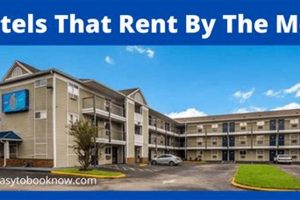
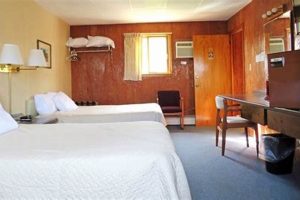
Extended stays in lodging establishments offering basic amenities at accessible rates provide a practical solution for individuals needing temporary housing. This type of accommodation often caters to those relocating, working on temporary assignments, or experiencing transitional life events. Consider, for example, a traveling nurse on a six-month contract or a family displaced by a home renovation.
Cost-effectiveness is a primary advantage, particularly compared to traditional lease agreements. Furthermore, the flexibility offered by these arrangements allows occupants to avoid long-term commitments. Historically, such accommodations served a vital role in facilitating workforce mobility and supporting travelers on extended journeys, evolving alongside the expansion of road networks and the rise of automobile travel.
This article will further explore the advantages and disadvantages of this housing option, discuss key factors to consider when selecting a location, and offer practical tips for securing the best possible terms.
Tips for Extended Motel Stays
Securing suitable and cost-effective accommodations for an extended duration requires careful planning and consideration. The following tips offer guidance for navigating this process.
Tip 1: Negotiate Rates: Directly contacting the establishment often yields better rates than online booking platforms. Longer stays provide leverage for negotiating discounts.
Tip 2: Inquire About Amenities: Clarify the availability of essential amenities such as kitchenettes, laundry facilities, and internet access. These can significantly impact the overall comfort and convenience.
Tip 3: Research Location: Proximity to essential services, transportation, and employment is crucial. Consider the surrounding neighborhood and its suitability for individual needs.
Tip 4: Review Policies: Carefully examine cancellation policies, pet policies, and guest visitation rules to ensure alignment with personal circumstances.
Tip 5: Inspect the Room: If possible, inspect the room before committing to a long-term stay. Verify cleanliness, functionality of appliances, and overall condition.
Tip 6: Document Everything: Maintain a written record of the agreed-upon rate, payment schedule, and any relevant terms discussed with management. This documentation can prove invaluable in case of disputes.
Tip 7: Consider Alternatives: Explore alternative lodging options such as extended-stay hotels or furnished apartments, comparing costs and amenities to determine the most suitable choice.
By following these guidelines, individuals can secure comfortable, convenient, and cost-effective accommodations for their extended needs. Careful planning and attention to detail contribute significantly to a positive experience.
This information provides a practical foundation for informed decision-making. The concluding section will offer final thoughts and recommendations for securing optimal accommodations.
1. Cost-Effectiveness

Cost-effectiveness represents a primary motivator for individuals seeking extended motel accommodations. Several factors contribute to potential cost savings. Daily rates for extended stays are typically lower than standard nightly rates. This discounted pricing structure acknowledges the commitment of longer-term occupancy and provides significant savings over time. Furthermore, extended stays often eliminate the need for security deposits and other upfront costs associated with traditional lease agreements, reducing the initial financial burden. For example, a business traveler on a three-month project could realize substantial savings compared to a short-term apartment rental.
The absence of utility bills, cable fees, and other recurring expenses associated with conventional housing contributes further to cost-effectiveness. These costs are typically included in the daily or weekly rate for extended stays, simplifying budgeting and providing predictable expenses. This inclusive pricing model offers considerable value, particularly for those on fixed or limited incomes. Additionally, many establishments offering extended stays provide amenities such as on-site laundry facilities and basic kitchenettes, reducing or eliminating the need for costly external services. This can be particularly advantageous for families or individuals on tight budgets.
Understanding the various factors influencing cost-effectiveness enables informed decision-making. While the base rate remains a key consideration, factoring in inclusive amenities and the avoidance of additional expenses provides a comprehensive assessment of overall value. Careful evaluation of these factors empowers individuals to secure accommodations that align with budgetary constraints without compromising essential needs. This approach facilitates both short-term savings and long-term financial stability during periods of temporary or transitional housing.
2. Flexibility

Flexibility represents a significant advantage of extended motel stays, offering adaptability to evolving circumstances and individual needs. This adaptability manifests in various forms, providing options often unavailable with traditional lease agreements.
- Variable Duration
Occupancy duration can often be adjusted to align with changing needs. This allows for extensions or shortening of stays as circumstances dictate, providing a level of adaptability not typically found in traditional rental agreements. For example, a project initially projected for three months might unexpectedly extend or conclude early. Extended stay accommodations can accommodate these changes without incurring penalties or requiring renegotiation of a fixed-term lease.
- Simplified Check-in/Check-out
The streamlined check-in and check-out processes associated with extended stays minimize administrative burdens. This efficiency is particularly beneficial for individuals relocating frequently or experiencing unpredictable schedules. The absence of extensive paperwork and complex procedures simplifies transitions and allows for rapid adaptation to changing travel plans or work assignments. This streamlined approach contrasts sharply with the often cumbersome procedures associated with securing and vacating traditional rental properties.
- Minimal Commitment
Extended stays offer the advantage of reduced commitment compared to traditional leases. This allows individuals to explore a new location or temporary employment without the obligation of a long-term contract. This flexibility mitigates financial risk and provides the freedom to pursue opportunities without being bound by fixed housing arrangements. For instance, an individual considering a job opportunity in a new city can utilize an extended stay to assess the area and the position before committing to a long-term lease or home purchase.
- Amenity Options
While basic amenities are standard, some establishments offer additional options, providing flexibility in tailoring accommodations to individual preferences. These options may include variations in room size, the availability of kitchenettes, or access to premium services. This allows individuals to select accommodations that best suit their specific lifestyle and needs, offering a degree of customization beyond the standard offerings of traditional rentals.
The flexibility inherent in extended motel stays provides a valuable advantage for individuals navigating temporary or transitional housing needs. This adaptability empowers individuals to respond effectively to unforeseen circumstances, pursue opportunities with reduced risk, and tailor their accommodations to evolving requirements. This combination of factors makes extended stays an attractive option for those seeking adaptable and convenient housing solutions.
3. Location Convenience

Location convenience significantly influences the suitability of extended motel stays. Proximity to essential services, transportation networks, and employment opportunities plays a crucial role in determining the practicality and overall experience. Careful consideration of location factors allows individuals to maximize efficiency and minimize logistical challenges during their stay. For example, a motel situated near major highways facilitates easy commuting for work or exploration, while proximity to grocery stores and restaurants simplifies daily routines.
Analyzing location convenience necessitates evaluating access to public transportation, healthcare facilities, and other essential services. Individuals relying on public transit benefit from accommodations situated near bus or train routes. Access to healthcare providers becomes paramount for those with ongoing medical needs. Furthermore, proximity to recreational facilities, parks, and cultural attractions enhances quality of life during extended stays. A family with young children might prioritize proximity to parks and playgrounds, while a business traveler may value proximity to conference centers or co-working spaces.
Understanding the interplay between location and individual needs is crucial for successful extended stays. A thoughtful assessment of commuting requirements, access to essential services, and proximity to relevant amenities allows individuals to select accommodations that optimize convenience and enhance their overall experience. This proactive approach minimizes potential logistical challenges and contributes to a more productive and comfortable stay. Ultimately, the careful consideration of location convenience empowers individuals to select accommodations that align with their specific lifestyle and practical requirements.
4. Amenity Access
Amenity access significantly impacts the practicality and comfort of extended motel stays. While these accommodations prioritize affordability and flexibility, the availability of certain amenities can greatly enhance the overall experience. For individuals on extended stays, access to laundry facilities reduces the need for costly external services or the inconvenience of transporting large quantities of clothing. Similarly, in-room kitchenettes allow for basic meal preparation, minimizing reliance on restaurant dining and contributing to cost savings. Consider a consultant working on a long-term project; having access to laundry and cooking facilities within the motel allows for greater self-sufficiency and reduces daily expenses. The presence of these amenities contributes significantly to the viability of extended motel stays for budget-conscious individuals.
Beyond basic necessities, access to amenities such as Wi-Fi, fitness centers, and business centers can influence productivity and well-being. Reliable internet connectivity is crucial for professionals working remotely or students engaged in online learning. Access to a fitness center allows individuals to maintain exercise routines while traveling, contributing to physical and mental well-being. Similarly, business centers offering printing and copying services can be invaluable for those needing to manage work-related tasks. For example, a traveling academic attending a conference can utilize these amenities to maintain research productivity and professional communication. Thus, the availability of such amenities enhances the functionality of extended motel stays, transforming them from basic lodging into more comprehensive temporary living spaces.
Evaluating amenity access requires careful consideration of individual needs and priorities. While some may prioritize basic necessities, others may require access to more specialized facilities. Understanding these needs and researching available amenities allows for informed decision-making and a more satisfactory experience. Balancing cost considerations with desired amenities is crucial for selecting accommodations that provide both value and practicality. This proactive approach ensures that the chosen accommodation supports individual lifestyles and work requirements throughout the duration of the stay, ultimately contributing to a more productive and comfortable experience. Failure to adequately assess amenity access can lead to unexpected expenses, inconvenience, and a diminished quality of life during an extended stay.
5. Lease Terms

Lease terms govern the agreement between lodging providers and occupants during extended stays, outlining rights, responsibilities, and specific conditions. While extended stays often imply greater flexibility than traditional apartment leases, understanding the terms remains crucial. These terms address payment schedules, duration of stay, renewal options, and potential penalties for early termination. For example, a lease might stipulate weekly payments, outline procedures for extending the stay beyond the initial agreed period, or specify penalties for terminating the agreement before a certain date. Clarity regarding these conditions ensures a smooth and predictable experience, minimizing potential disputes.
Several factors influence lease terms, including local regulations, establishment policies, and seasonal demand. Local ordinances may dictate specific requirements regarding tenant rights and responsibilities. Individual establishments often implement their own policies regarding check-in/check-out times, pet allowances, and guest visitation. Seasonal variations in demand can also influence pricing and availability, potentially affecting lease terms. For instance, a coastal motel might offer different lease terms during peak tourist season compared to the off-season. Recognizing these influences allows individuals to anticipate potential variations in lease agreements and negotiate terms accordingly.
Careful review and comprehension of lease terms safeguard both parties involved. Understanding payment obligations, cancellation policies, and specific restrictions prevents misunderstandings and facilitates a positive experience. This proactive approach ensures alignment of expectations and contributes to a mutually beneficial arrangement. Neglecting to thoroughly review lease terms can expose individuals to unexpected costs or restrictions, potentially jeopardizing housing stability during a crucial period. Therefore, prioritizing a clear understanding of lease agreements represents a fundamental aspect of securing successful and stress-free extended stays.
6. Potential Drawbacks
While extended motel stays offer advantages in terms of cost and flexibility, potential drawbacks warrant careful consideration. Understanding these limitations allows for informed decision-making and facilitates a more realistic assessment of this housing option. A comprehensive evaluation of potential drawbacks, alongside the benefits, enables individuals to determine the suitability of extended motel stays for their specific circumstances.
- Limited Space and Amenities
Motel rooms typically offer limited space compared to traditional apartments or rental homes. This can present challenges for individuals with substantial belongings or those seeking separate living and working areas. Furthermore, amenities may be basic, lacking features such as full kitchens or in-unit laundry facilities. For example, a family with several children might find a single motel room cramped and inadequate for their needs. Similarly, a professional working remotely may struggle with the lack of dedicated workspace and limited storage options.
- Privacy Concerns
Proximity to other guests and limited soundproofing can compromise privacy in motel settings. Noise from adjacent rooms or common areas may disrupt sleep or concentration. Furthermore, the transient nature of motel populations can sometimes present security concerns. For instance, light sleepers might find the noise levels disruptive, while individuals valuing personal security may prefer accommodations with more robust security measures.
- Lack of Community
The transient nature of motel occupancy can hinder the development of a sense of community. Unlike apartment complexes or residential neighborhoods, motels often lack opportunities for social interaction or the establishment of lasting connections with neighbors. This can contribute to feelings of isolation, particularly for individuals on extended stays. A person relocating to a new city for work, for example, might find the lack of social connection in a motel environment challenging.
- Safety and Security
While many motels implement security measures, the level of security may not be as comprehensive as that of private residences or apartment complexes. Limited on-site staff, shared entrances, and parking areas accessible to the public can potentially increase vulnerability to theft or other security incidents. Individuals with valuable possessions or those prioritizing personal safety should carefully evaluate the security features of a motel before committing to an extended stay.
Recognizing these potential drawbacks allows individuals to make informed decisions about extended motel stays. Weighing these limitations against the benefits of cost-effectiveness and flexibility provides a comprehensive perspective. Ultimately, a thorough assessment of both advantages and disadvantages empowers individuals to select the housing option best suited to their specific needs and priorities.
Frequently Asked Questions
This section addresses common inquiries regarding extended motel stays, providing clarity on key aspects of this housing option.
Question 1: How do rates for extended stays compare to standard nightly rates?
Extended stay rates are typically lower than standard nightly rates, reflecting the commitment of longer-term occupancy. The specific discount varies by establishment and location.
Question 2: What amenities are typically included in extended stay rates?
Basic amenities often include Wi-Fi, cable television, and on-site parking. Some establishments may offer additional amenities such as kitchenettes, laundry facilities, or fitness centers, often at an additional cost or as part of premium packages.
Question 3: What factors influence the cost of an extended stay?
Key factors include location, duration of stay, room type, and available amenities. Rates tend to be higher in prime locations or during peak seasons. Longer stays often qualify for greater discounts.
Question 4: What are the typical lease terms for extended stays?
Lease terms vary by establishment but typically involve weekly or monthly payment schedules. Agreements often outline procedures for extending or terminating the stay, as well as policies regarding cancellations and refunds.
Question 5: What are the advantages of extended stays compared to traditional apartment rentals?
Key advantages include flexibility, cost-effectiveness, and simplified administrative procedures. Extended stays offer greater adaptability to changing circumstances and often eliminate the need for security deposits or lease signing fees.
Question 6: What are the potential disadvantages of extended stays?
Potential disadvantages include limited space, privacy concerns, and a potential lack of community. Motel rooms may not offer the same level of privacy or amenities as traditional apartments, and the transient nature of motel populations can limit opportunities for social interaction.
Understanding these frequently asked questions provides a foundation for informed decision-making. Careful consideration of individual needs and priorities, alongside the information presented, facilitates selection of the most appropriate housing solution.
The following section will explore specific case studies illustrating the benefits and challenges of extended motel stays in various contexts.
Conclusion
Extended motel accommodations provide a viable housing solution for individuals navigating temporary or transitional circumstances. Careful consideration of factors such as cost, location, amenities, and lease terms allows for informed decision-making. Balancing the advantages of flexibility and affordability against potential drawbacks like limited space and privacy concerns is crucial for successful utilization of this housing option. Understanding the nuances of extended stays empowers individuals to leverage the benefits while mitigating potential challenges.
Ultimately, successful utilization of extended motel stays hinges on thorough research, proactive planning, and a realistic assessment of individual needs. This approach ensures alignment between housing choices and specific circumstances, facilitating a productive and comfortable experience during periods of transition or temporary relocation. As housing needs evolve, the extended stay model continues to offer a practical alternative to traditional lodging, deserving of careful consideration by individuals seeking adaptable and cost-effective accommodations.