Establishing long-term residency in a hotel involves various factors, including securing appropriate visas (if applicable), negotiating favorable rates for extended stays, and understanding the hotel’s policies regarding guest conduct and amenities. For instance, some individuals maintain hotel residency for professional reasons, such as project-based work in a different city, while others may choose it as a lifestyle choice offering flexibility and convenience.
This form of accommodation provides several advantages, such as simplified living without property maintenance responsibilities and access to services like housekeeping, laundry, and often, fitness facilities. Historically, long-term hotel living was more common among affluent travelers and those in the entertainment industry. However, the rise of serviced apartments and extended-stay hotels has broadened its appeal to a wider range of individuals, including digital nomads and individuals experiencing temporary housing needs.
Exploring this living arrangement requires consideration of factors such as cost, location, available amenities, and legal implications. The following sections will delve into the financial aspects, practical tips for successful long-term hotel stays, potential drawbacks, and legal considerations.
Tips for Long-Term Hotel Living
Successfully maintaining a hotel-based lifestyle requires careful planning and consideration. The following tips offer guidance for navigating this unique living arrangement.
Tip 1: Negotiate Rates: Extended stays provide leverage for negotiating lower rates. Discounted pricing is often available for weekly or monthly bookings, particularly during off-season periods. Directly contacting the hotel’s sales or reservations department can yield better results than using online travel agencies.
Tip 2: Consider Location and Amenities: Selecting a location convenient to work, essential services, and social activities is crucial. Evaluating available amenities such as laundry facilities, kitchenettes, fitness centers, and business centers ensures the chosen hotel aligns with individual needs.
Tip 3: Understand Hotel Policies: Reviewing the hotel’s policies regarding guest conduct, visitors, pet allowances, and package deliveries is essential to avoid potential conflicts. Clarifying these terms upfront can prevent misunderstandings during extended stays.
Tip 4: Establish a Routine: Maintaining a structured routine, including regular meal times, dedicated workspaces, and planned leisure activities, helps create a sense of normalcy and avoids the potential pitfalls of an unstructured lifestyle.
Tip 5: Maintain Communication: Open communication with hotel staff about any issues or requests is essential. Building rapport with staff can contribute to a more positive and accommodating experience.
Tip 6: Utilize Loyalty Programs: Enrolling in hotel loyalty programs can provide benefits like room upgrades, complimentary services, and discounted rates, maximizing the value of an extended stay.
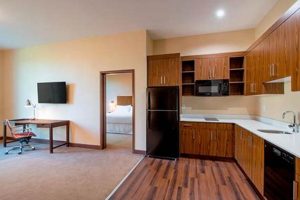
Tip 7: Explore Alternative Accommodation Options: Extended-stay hotels and serviced apartments offer amenities specifically tailored for long-term residents, often including kitchenettes and more spacious living areas.
By considering these tips, individuals can create a comfortable and sustainable long-term living environment within a hotel setting, maximizing both convenience and affordability.
In conclusion, long-term hotel living presents a viable option for various circumstances. By weighing the advantages and disadvantages, and by implementing the strategies outlined, individuals can make informed decisions regarding this alternative lifestyle.
1. Extended Stay Rates

Extended stay rates represent a critical factor in the feasibility of long-term hotel living. These specialized rates, typically offered for stays of a week or longer, significantly impact the overall cost and practicality of maintaining a hotel-based lifestyle. Understanding the nuances of these rates is essential for anyone considering this form of accommodation.
- Negotiation and Availability
Securing favorable extended stay rates often involves direct negotiation with the hotel. Availability can fluctuate based on factors like seasonality, local events, and overall hotel occupancy. Researching different hotels and comparing their extended stay policies is vital. For instance, a business hotel in a city center might offer more competitive extended stay rates during weekends when corporate travel is lower.
- Inclusions and Exclusions
Extended stay rates may include various amenities, such as complimentary breakfast, parking, or access to fitness facilities. Understanding what is included and what constitutes an additional charge is crucial for accurate budgeting. Some hotels may offer inclusive laundry services within extended stay packages, while others might charge separately.
- Rate Structures and Discounts
Extended stay rate structures can vary significantly. Some hotels offer tiered pricing based on the length of stay, with progressively lower rates for longer durations. Others may provide specific discounts for seniors, government employees, or members of loyalty programs. Analyzing these structures helps identify the most cost-effective options. A hotel might offer a lower weekly rate compared to a monthly rate if combined with a specific membership discount.
- Comparison with Alternative Accommodations
Comparing extended stay hotel rates with the cost of alternative accommodations, such as serviced apartments or short-term rentals, is essential. Factors like location, amenities, and overall convenience should be considered alongside price. In some urban areas, a serviced apartment with a kitchen might offer greater value than an extended stay hotel room, especially for longer durations.
Ultimately, navigating the complexities of extended stay rates is paramount to establishing a sustainable hotel-based lifestyle. Careful consideration of these factors empowers individuals to make informed decisions, balancing comfort, convenience, and cost-effectiveness.
2. Visa Requirements

Visa requirements play a crucial role in determining the feasibility of long-term hotel stays, particularly for international travelers. The type of visa obtained dictates the permissible duration of stay within a given country. Tourist visas, for instance, typically allow for shorter stays, often ranging from a few weeks to a few months, insufficient for establishing long-term residency in a hotel. Conversely, visas granted for work, study, or specific long-term purposes allow for more extended stays, enabling individuals to legally reside in a hotel for the duration permitted by their visa. A business visa, for example, might allow for a stay of several months or even years, contingent upon the specific terms and conditions of the visa. Failure to comply with visa regulations can lead to significant legal ramifications, including fines, deportation, and future travel restrictions. For instance, overstaying a tourist visa while living in a hotel could jeopardize future visa applications and entry into the country.
The connection between visa requirements and hotel living is further complicated by the varying regulations imposed by different countries. Some countries require specific visas for long-term stays, regardless of the chosen accommodation type, while others may offer more flexible arrangements for individuals demonstrating proof of sufficient financial resources and a confirmed accommodation booking. For example, a digital nomad intending to live in a hotel in a specific country for an extended period might need to obtain a digital nomad visa or a long-term tourist visa, depending on the local regulations. Understanding these specific requirements is essential for planning an extended hotel stay. Hotels also play a role in this process, often requiring guests to present valid identification and visa documentation upon check-in, particularly for longer stays. This process assists both the hotel and the individual in ensuring compliance with local immigration laws.
In conclusion, navigating visa requirements is a critical aspect of planning long-term hotel stays for international travelers. Understanding the specific visa regulations of the destination country, the limitations imposed by different visa types, and the potential consequences of non-compliance is essential for ensuring a legal and hassle-free stay. Thorough research and careful planning, including consultation with immigration authorities or legal professionals if necessary, are strongly advised. This proactive approach minimizes the risk of legal complications and facilitates a smooth and enjoyable experience for those seeking extended hotel stays abroad.
3. Hotel Policies
Hotel policies constitute a crucial framework influencing the feasibility and practicality of long-term hotel stays. These regulations, varying significantly between establishments, directly impact guest experiences and determine the suitability of a hotel for extended residency. Understanding key policy areas is essential for individuals considering a hotel-based lifestyle.
- Guest Conduct
Policies regarding guest conduct outline acceptable behavior within the hotel premises. These often address noise levels, visitor restrictions, and permitted activities within guest rooms. For instance, some hotels might enforce quiet hours, impacting individuals working late or hosting gatherings. Understanding these policies is paramount for maintaining a harmonious living environment and avoiding potential conflicts with hotel management or other guests. Violations can lead to warnings, fines, or even termination of the accommodation agreement.
- Pet Policies
Pet policies dictate the permissibility and conditions surrounding pets within the hotel. Some hotels might be entirely pet-free, while others might allow pets with certain restrictions, such as size or breed limitations, or associated fees. Individuals with pets must carefully consider these policies when selecting a hotel for an extended stay. For example, a hotel might permit small dogs but require a non-refundable pet deposit and adherence to specific rules regarding pet behavior and designated pet areas.
- Housekeeping and Laundry Services
Policies regarding housekeeping and laundry services outline the frequency and availability of these essential services for long-term residents. Some hotels might offer daily housekeeping, while others might provide it less frequently for extended stays. Understanding these policies is crucial for maintaining a clean and comfortable living environment. Similarly, laundry policies might involve on-site facilities, outsourced services, or a combination thereof. Individuals should consider their personal preferences and needs when evaluating these aspects.
- Payment and Cancellation Policies
Payment and cancellation policies for extended stays often differ from standard booking procedures. Hotels might require upfront payments, deposits, or specific cancellation deadlines for long-term reservations. Thorough understanding of these financial implications is critical for avoiding unexpected charges or complications. For example, a hotel might require a security deposit for extended stays, refundable upon departure, provided no damages or policy violations have occurred.
In conclusion, hotel policies represent a defining factor in the experience and practicality of long-term hotel living. Careful evaluation of these policies, alongside other considerations like location, amenities, and cost, empowers individuals to make informed decisions and select a hotel conducive to a comfortable and sustainable extended stay. Overlooking these crucial details can lead to unexpected challenges and potentially disrupt the long-term viability of a hotel-based lifestyle. Due diligence in researching and understanding hotel policies is therefore paramount for successful long-term hotel living.
4. Location & Amenities

The feasibility and desirability of long-term hotel stays are significantly influenced by the interplay between location and available amenities. Location dictates access to essential services, employment opportunities, social activities, and transportation networks. Amenities, on the other hand, determine the comfort, convenience, and practicality of daily living within the hotel environment. A hotel’s location in a bustling city center, for example, might offer proximity to businesses and entertainment venues, but potentially higher noise levels and limited access to green spaces. Conversely, a hotel in a quieter suburban area might provide tranquility and access to parks, but necessitate longer commutes to urban centers. The availability of on-site amenities such as fitness centers, laundry facilities, and business centers directly impacts the quality of life for long-term residents. A hotel with comprehensive amenities might alleviate the need for external gym memberships or laundry services, streamlining daily routines and potentially reducing overall living costs.
The practical significance of this understanding lies in the ability to align accommodation choices with individual needs and priorities. Business travelers, for instance, might prioritize hotels located near convention centers or corporate offices, with amenities like meeting rooms and high-speed internet access. Families considering extended hotel stays, on the other hand, might value proximity to schools, parks, and family-friendly attractions, with amenities such as in-room kitchens or laundry facilities. Digital nomads might prioritize locations offering reliable internet connectivity, co-working spaces, and a vibrant social scene. Careful consideration of location and amenities ensures that the chosen hotel environment supports both professional and personal needs, fostering a sustainable and fulfilling long-term stay. Ignoring these factors can lead to dissatisfaction, unexpected expenses, and ultimately, an unsustainable living arrangement.
In summary, the strategic evaluation of location and amenities is paramount for successful long-term hotel living. Analyzing the trade-offs between different locations and prioritizing essential amenities ensures compatibility with individual lifestyles and optimizes the overall experience. This informed approach empowers individuals to leverage the benefits of hotel living while mitigating potential drawbacks, ultimately contributing to a positive and productive extended stay experience. The synergy between location and amenities ultimately determines whether a hotel serves as a practical and comfortable long-term residence or presents persistent logistical challenges.
5. Lifestyle Compatibility
Lifestyle compatibility represents a critical factor in determining the suitability of long-term hotel living for individuals. This compatibility assessment involves evaluating the alignment between an individual’s lifestyle preferences, needs, and habits, and the inherent characteristics of a hotel environment. Compatibility directly impacts the long-term sustainability and overall satisfaction of a hotel-based lifestyle. Failure to adequately consider lifestyle compatibility can lead to significant disruptions, unexpected challenges, and ultimately, an unsuccessful experience.
- Routine and Structure
Individuals with structured daily routines, encompassing regular work schedules, meal times, and exercise regimens, might find adapting to hotel living challenging. Hotels, while offering convenience and flexibility, can sometimes disrupt established routines due to factors like housekeeping schedules, shared amenities, and potential noise levels. A freelancer accustomed to a quiet home office, for example, might encounter difficulties maintaining productivity in a hotel environment with varying noise levels and limited privacy. Conversely, individuals with more flexible lifestyles might find the dynamic nature of hotel living accommodating.
- Social Interaction and Privacy
Hotel environments often involve increased social interaction with staff, other guests, and visitors. Individuals who value privacy and solitude might find this aspect of hotel living challenging. Sharing common areas and amenities can lead to unwanted interactions or noise disruptions, impacting personal space and tranquility. Someone accustomed to a quiet suburban home, for instance, might find the constant activity of a bustling hotel lobby disruptive. Conversely, extroverted individuals might thrive in the social atmosphere of a hotel, enjoying opportunities for casual interactions and networking.
- Dietary Preferences and Meal Preparation
Hotel living often necessitates reliance on restaurant dining or limited in-room kitchen facilities. Individuals with specific dietary requirements or preferences for home-cooked meals might encounter difficulties maintaining their usual eating habits. Someone following a strict vegan diet, for example, might find limited options in hotel restaurants or face challenges preparing meals in a room with minimal cooking facilities. This necessitates careful consideration of dietary needs and available dining options within the hotel or its surrounding area.
- Work and Productivity Needs
Individuals who work remotely or require dedicated workspaces must assess the compatibility of a hotel environment with their professional needs. Factors like internet reliability, noise levels, and availability of suitable work areas within the hotel room or communal spaces directly impact productivity. A software developer requiring a quiet environment with stable internet connectivity, for instance, might find working from a hotel room challenging if internet access is unreliable or noise levels are disruptive. Careful evaluation of these factors is essential for maintaining professional productivity while living in a hotel.
In conclusion, assessing lifestyle compatibility is paramount for successful long-term hotel living. Careful consideration of individual routines, social preferences, dietary needs, and work requirements ensures alignment with the inherent characteristics of a hotel environment. This proactive approach minimizes potential disruptions, maximizes comfort and productivity, and ultimately contributes to a positive and sustainable hotel-based lifestyle. Ignoring these crucial aspects of compatibility can lead to significant challenges, ultimately undermining the feasibility of long-term hotel residency.
6. Budget Management
Budget management plays a crucial role in the feasibility and sustainability of long-term hotel living. Accommodation costs represent a significant portion of any long-term stay budget. Negotiating favorable rates, considering alternative accommodation options like extended-stay hotels or serviced apartments, and accurately forecasting expenses are essential for financial viability. Failing to allocate sufficient funds for accommodation can lead to premature termination of a hotel stay or necessitate undesirable compromises in other areas of one’s budget. For instance, opting for a hotel outside a city center might offer lower nightly rates but increase transportation costs, potentially offsetting initial savings. Precise budgeting and ongoing cost analysis are therefore critical for ensuring long-term affordability.
Beyond accommodation, additional expenses associated with hotel living require careful consideration. Meals, laundry services, transportation, and entertainment contribute significantly to overall costs. Eating out for every meal, while convenient, can rapidly deplete a budget. Utilizing in-room kitchen facilities, exploring local grocery stores, and taking advantage of hotel amenities like complimentary breakfast can mitigate these costs. Similarly, factoring in transportation expenses, whether public transport, ride-sharing services, or car rentals, ensures accurate budgeting and avoids unexpected financial strain. For example, relying solely on taxi services for daily commutes can significantly impact a budget compared to utilizing public transportation or investing in a bicycle. Careful planning and resourcefulness in managing these ancillary expenses are essential for maintaining a balanced budget while enjoying the conveniences of hotel living.
In conclusion, effective budget management is paramount for successful long-term hotel living. Accurate cost forecasting, incorporating both accommodation expenses and ancillary costs like meals and transportation, ensures financial stability and avoids premature termination of a stay. Resourcefulness in identifying cost-saving measures, like utilizing in-room amenities and exploring local dining options, further enhances budgetary control. Ultimately, a well-managed budget empowers individuals to enjoy the convenience and flexibility of hotel living without incurring undue financial strain, contributing to a sustainable and positive long-term experience. Neglecting budgetary considerations can jeopardize the viability of this lifestyle choice, underscoring the critical link between financial planning and successful hotel living.
Frequently Asked Questions
This section addresses common inquiries regarding long-term hotel residency, providing concise and informative responses to facilitate informed decision-making.
Question 1: What are the typical costs associated with extended hotel stays?
Costs vary significantly based on factors such as location, hotel class, included amenities, and negotiated rates. Extended stay rates are generally lower than standard daily rates but require careful budgeting for additional expenses like meals and incidentals. Direct negotiation with hotels often yields more favorable pricing.
Question 2: Are there specific visa requirements for residing in a hotel long-term?
Visa requirements depend on the individual’s nationality and the destination country’s regulations. Tourist visas typically do not permit extended stays. Specific long-term visas, such as work or student visas, might be required for legal residency exceeding a certain duration. Consulting with immigration authorities is advised.
Question 3: How do hotel policies impact long-term residents?
Hotel policies regarding guest conduct, pet allowances, housekeeping frequency, and payment procedures directly influence the feasibility and comfort of extended stays. Understanding these policies beforehand is crucial for a harmonious experience.
Question 4: What are the advantages and disadvantages of long-term hotel living compared to traditional renting or homeownership?
Advantages include convenience, flexibility, access to amenities, and simplified living without property maintenance responsibilities. Disadvantages include potential higher costs compared to long-term rentals, limited personal space, and adherence to hotel regulations.
Question 5: How can one maintain a sense of normalcy and routine while living in a hotel?
Establishing a structured daily routine, incorporating dedicated workspaces, regular meal times, and planned leisure activities helps maintain a sense of normalcy. Utilizing hotel amenities like fitness centers and business centers can also contribute to a structured lifestyle.
Question 6: What are the key considerations when choosing a hotel for an extended stay?
Key considerations include location, available amenities, extended stay rates, hotel policies, proximity to essential services, transportation accessibility, and overall compatibility with individual lifestyle preferences and needs.
Understanding these key aspects facilitates informed decision-making regarding long-term hotel stays, enabling individuals to evaluate the suitability of this lifestyle choice based on their specific circumstances and priorities.
For further information or specific inquiries, consulting with hotel representatives or relocation specialists is recommended.
How Can You Live in a Hotel
Establishing long-term hotel residency requires careful consideration of several interconnected factors. Securing financially sustainable extended stay rates, understanding relevant visa requirements for international travelers, and adhering to specific hotel policies are fundamental prerequisites. Location and available amenities significantly influence lifestyle compatibility, impacting access to essential services, workspaces, and social opportunities. Effective budget management, encompassing accommodation costs, meals, transportation, and incidentals, is crucial for long-term feasibility. Ultimately, successful hotel living hinges on the strategic alignment of these elements with individual needs and priorities.
The evolving landscape of accommodation options presents diverse possibilities for extended stays. Careful evaluation of these options, informed by a thorough understanding of associated costs, regulations, and lifestyle implications, empowers individuals to make choices aligned with their unique circumstances. Whether driven by professional pursuits, personal preferences, or temporary housing needs, informed decision-making is paramount for navigating the complexities of long-term hotel residency and maximizing the potential for a positive and sustainable experience.