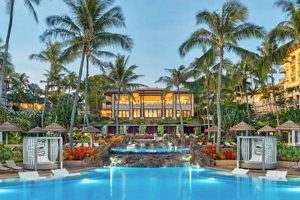
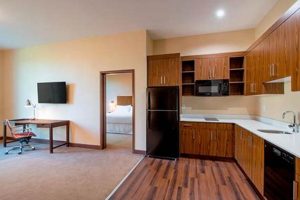
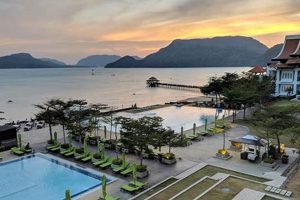
Extended-stay accommodations are increasingly catering to a blended lifestyle of work and leisure. These establishments offer amenities beyond the typical hotel experience, including kitchenettes, workspaces, and often communal areas designed for both socializing and productivity. For instance, a business traveler might stay for a month, working remotely while also enjoying the hotel’s fitness center and pool during downtime.
This shift in hospitality reflects the growing demand for flexible work arrangements and the blurring lines between professional and personal life. Historically, hotels primarily served short-term guests. Now, the rise of remote work and the “digital nomad” lifestyle has created a market for accommodations that offer a more residential feel with work-friendly features. This model offers benefits for both guests and hoteliers: guests gain convenient, fully furnished living spaces, while hotels enjoy higher occupancy rates and longer stays.
Understanding this evolving landscape requires exploration of several key aspects. These include the types of accommodations available, the amenities and services offered, the target demographic, and the potential impact on the future of work and travel.
Tips for Selecting Extended-Stay Accommodations
Choosing the right accommodation for an extended stay requires careful consideration of various factors. The following tips offer guidance for navigating this process effectively.
Tip 1: Define Accommodation Needs: Clarify required amenities. A fully equipped kitchen may be essential for some, while others prioritize robust internet connectivity and a dedicated workspace. Consider factors like laundry facilities, fitness centers, and proximity to essential services.
Tip 2: Research Thoroughly: Explore online reviews and compare pricing across different platforms. Look for transparency in fees and cancellation policies. Virtual tours can provide valuable insights into room layouts and overall ambiance.
Tip 3: Consider Location: Proximity to work hubs, transportation, and leisure activities can significantly enhance the overall experience. Evaluate neighborhood safety and accessibility to grocery stores and restaurants.
Tip 4: Evaluate Amenities: Assess the quality and availability of amenities crucial for a comfortable and productive stay. This includes internet speed, workspace ergonomics, and the availability of common areas for socializing or relaxation.
Tip 5: Assess Contract Terms: Carefully review lease agreements or extended-stay policies. Pay close attention to payment schedules, cancellation clauses, and any restrictions on guests or pet policies.
Tip 6: Communicate with Management: Engage with the hotel or property management directly. Inquire about specific needs or concerns. Open communication can help ensure a smooth and satisfactory experience.
Tip 7: Factor in Budget: Extended stays often involve different pricing structures than short-term visits. Calculate the total cost, including potential additional fees for utilities, parking, or other services.
Selecting an extended-stay accommodation that aligns with individual needs and preferences contributes significantly to a productive and fulfilling experience. Careful planning and thorough research are essential steps in this process.
By understanding these factors and applying these tips, individuals can make informed decisions that lead to successful and enjoyable extended stays, whether for work or leisure.
1. Extended Stays

Extended stays represent a significant shift in the hospitality industry, moving beyond traditional short-term accommodations to cater to the evolving needs of individuals seeking a blend of living and working spaces. This model aligns directly with the concept of “hotels that let you live there and work,” offering a more permanent and flexible alternative to conventional hotel stays.
- Flexibility and Freedom:
Extended stays provide flexibility for both business and leisure travelers. Unlike traditional hotels, they offer the freedom to personalize the space, establish routines, and enjoy a more residential experience. A consultant on a long-term project, for instance, can maintain a comfortable living environment while remaining close to the client’s office.
- Cost-Effectiveness:
For longer durations, extended stays often prove more cost-effective than nightly hotel rates. This financial advantage is particularly relevant for individuals relocating, undergoing temporary work assignments, or seeking temporary housing between permanent residences. Weekly or monthly rates typically include utilities and other amenities, simplifying budgeting.
- Amenity-Rich Environments:
Modern extended-stay accommodations frequently offer amenities that cater to both work and leisure needs. These may include fully equipped kitchens, dedicated workspaces, laundry facilities, fitness centers, and communal areas for socializing. Such features enhance convenience and contribute to a more balanced lifestyle.
- Sense of Community:
Some extended-stay properties foster a sense of community among residents. Shared common spaces, organized activities, and opportunities for interaction can alleviate the isolation sometimes associated with extended travel or relocation, creating a more supportive and engaging environment.
These facets of extended stays highlight the increasing convergence of living and working spaces. This trend reflects broader societal changes, including the rise of remote work and the growing demand for flexible lifestyle options. By offering a combination of comfort, convenience, and cost-effectiveness, extended stays provide a viable and attractive solution for individuals seeking accommodations that support both their professional and personal needs.
2. Blended Lifestyle

The concept of a blended lifestyle is intrinsically linked to the rise of accommodations designed for both living and working. This lifestyle blurs the traditional lines between professional and personal spheres, integrating work and leisure activities seamlessly. Extended-stay hotels directly cater to this blended lifestyle by offering spaces and amenities that support both work productivity and personal comfort. For example, a consultant working remotely can use the in-suite workspace during business hours and then transition to the hotel’s communal lounge for social interaction or relaxation in the evening. This integrated approach reflects the changing priorities of individuals who seek greater flexibility and work-life balance.
The demand for blended lifestyle options stems from various factors, including the rise of remote work, the gig economy, and the increasing desire for work-life integration. Individuals prioritize experiences over traditional work structures, seeking accommodations that cater to this holistic approach. Business travelers, digital nomads, and individuals on temporary assignments represent key demographics embracing this lifestyle. They value the ability to maintain professional commitments while simultaneously exploring new locations and enjoying personal pursuits. This shift in priorities has fueled the demand for accommodations offering functional workspaces alongside amenities that support relaxation and leisure activities.
Understanding the connection between the blended lifestyle and appropriate accommodations offers valuable insights into current trends in hospitality and the future of work. This understanding enables the development of spaces and services that effectively cater to the evolving needs of individuals seeking flexibility and work-life integration. While challenges remain, such as ensuring consistent internet connectivity and fostering a sense of community within these spaces, the blended lifestyle represents a significant shift in how individuals approach work and leisure. This trend necessitates a corresponding evolution in the hospitality industry, emphasizing adaptable and amenity-rich environments designed to support both productivity and personal well-being.
3. Remote Work Enablement

Remote work enablement is intrinsically linked to the rise of accommodations designed for both living and working. The ability to work from anywhere has fueled demand for flexible living solutions that seamlessly integrate professional and personal needs. This shift has positioned certain hotels as key facilitators of remote work, offering not just lodging, but comprehensive environments conducive to productivity and well-being.
- Technological Infrastructure:
Reliable high-speed internet access, robust Wi-Fi networks, and in-room workspaces equipped with ergonomic furniture and ample power outlets are essential components of remote work enablement. A software developer, for instance, requires a stable internet connection for coding and virtual meetings. Hotels catering to remote workers prioritize these technological needs to ensure a productive work environment.
- Dedicated Workspaces:
Beyond standard hotel rooms, dedicated workspaces within the property, such as co-working areas or business centers, offer environments specifically designed for focused work. These spaces often provide amenities like printers, scanners, and meeting rooms, replicating a traditional office setting within the hotel environment. A marketing professional, for example, can utilize these facilities for client presentations or team collaborations.
- Support Services:
Concierge services tailored to remote workers, including IT support, administrative assistance, and access to local resources, further enhance productivity. A freelance writer, for instance, might benefit from printing services or assistance with local research. Hotels offering these services streamline work processes and contribute to a more efficient work experience.
- Community Building:
Recognizing the potential for isolation among remote workers, some hotels actively foster community through networking events, social gatherings, and shared workspaces. These initiatives facilitate connections among guests, creating a sense of belonging and combating the potential downsides of remote work. A consultant working on a solo project, for instance, might appreciate the opportunity to connect with other professionals within the hotel.
These facets of remote work enablement underscore the evolving role of hotels in supporting the changing nature of work. No longer just places for temporary stays, these establishments are becoming integral hubs for remote professionals, offering comprehensive solutions that combine comfortable living with productive work environments. This transformation reflects a broader shift in the hospitality industry, adapting to the growing demand for flexible, technology-driven workspaces that cater to the needs of the modern remote worker.
4. Flexible Living Solutions

Flexible living solutions represent a significant departure from traditional housing models, offering adaptable arrangements that cater to evolving lifestyle needs. The increasing prevalence of remote work and the desire for greater work-life integration have fueled demand for accommodations that seamlessly blend living and working spaces. This demand directly connects to the concept of “hotels that let you live there and work,” highlighting the role of these establishments in providing adaptable and convenient housing solutions.
- Adaptability and Mobility:
Flexible living solutions prioritize adaptability, allowing individuals to adjust their living arrangements based on changing circumstances. This adaptability is particularly relevant for professionals with project-based work or those seeking temporary accommodations during relocation. A consultant on a short-term assignment, for example, benefits from the flexibility of an extended-stay hotel, avoiding the commitment of a long-term lease.
- Reduced Commitment:
Unlike traditional leases, flexible living solutions often involve shorter-term commitments, offering greater mobility and freedom. This reduced commitment appeals to individuals who prioritize flexibility and may need to relocate quickly for work or personal reasons. Digital nomads, for example, value the ability to move between locations without the constraints of long-term contracts.
- Amenity-Rich Environments:
Flexible living solutions frequently incorporate amenities designed to enhance convenience and lifestyle. These amenities may include furnished apartments, housekeeping services, on-site fitness centers, and co-working spaces. These features cater to individuals seeking turnkey living arrangements with minimal maintenance responsibilities. A traveling healthcare professional, for instance, benefits from the convenience of a fully furnished apartment with included utilities.
- Cost-Effectiveness:
In certain circumstances, flexible living solutions offer cost advantages over traditional housing, particularly for shorter-term stays. The inclusion of utilities, amenities, and services in a single payment simplifies budgeting and can reduce overall living expenses. This cost-effectiveness is attractive to individuals on temporary assignments or those seeking to minimize housing costs during periods of transition.
These facets of flexible living solutions demonstrate their increasing relevance in the modern housing market. The ability to adapt to changing needs, minimize long-term commitments, and access convenient amenities aligns directly with the evolving demands of professionals and individuals seeking greater control over their living arrangements. “Hotels that let you live there and work” represent a key component of this flexible living landscape, offering a practical and increasingly popular alternative to traditional housing models. This trend reflects a broader societal shift towards prioritizing flexibility, mobility, and work-life integration, emphasizing the importance of adaptable and amenity-rich accommodations in the modern world.
5. Home-office hybrid

The “home-office hybrid” concept represents a significant shift in work culture, blurring the lines between traditional office spaces and residential environments. This shift directly connects to the rise of accommodations designed for both living and working, such as extended-stay hotels and apartment-style accommodations. The cause-and-effect relationship is evident: the increasing prevalence of remote work and flexible work arrangements fuels demand for living spaces that seamlessly integrate work functionalities. A home-office hybrid environment allows professionals to maintain productivity while enjoying the comforts and conveniences of a residential setting. For example, a consultant working on a long-term project can utilize a hotel suite as a temporary home and office, conducting virtual meetings from a dedicated workspace within the suite and utilizing hotel amenities during downtime. This integration eliminates the need for separate office spaces, reduces commuting time, and enhances work-life balance.
The home-office hybrid model is integral to the appeal of “hotels that let you live there and work.” These accommodations recognize the evolving needs of remote workers and offer dedicated workspaces, reliable internet connectivity, and other business-oriented amenities within a residential setting. This integration caters to professionals seeking both comfort and productivity. Consider a software engineer working remotely for an international company. An extended-stay hotel with a dedicated workspace, reliable internet, and on-site printing facilities allows this individual to maintain professional responsibilities while experiencing the flexibility of remote work. This approach demonstrates the practical significance of understanding the connection between the home-office hybrid model and the demand for integrated living and working spaces. This model transforms hotels from solely lodging providers into comprehensive lifestyle solutions.
The integration of home and office functionalities within accommodations represents a paradigm shift in how individuals approach work and living. This integration provides practical benefits, including increased productivity, reduced commuting time, and improved work-life balance. However, challenges remain, such as ensuring adequate privacy within shared living spaces and fostering a sense of community among residents. Despite these challenges, the growing demand for home-office hybrid solutions underscores the evolving needs of the modern workforce. The hospitality industry’s response to these needs, through the development of integrated living and working accommodations, reflects a broader societal shift towards prioritizing flexibility and work-life integration. Accommodations that effectively cater to this blended lifestyle will likely play an increasingly important role in the future of work and travel.
6. Work-life integration

Work-life integration represents a significant shift from the traditional compartmentalization of professional and personal spheres. It emphasizes blending these aspects, creating a more holistic and balanced lifestyle. This concept is intrinsically linked to the rise of accommodations designed for both living and working, such as extended-stay hotels. The ability to work remotely and maintain flexible schedules fuels demand for living spaces that seamlessly accommodate both professional and personal needs. This demand has positioned certain hotels as key facilitators of work-life integration, offering environments conducive to both productivity and personal well-being. The cause-and-effect relationship is clear: the increasing prevalence of remote work and flexible work arrangements necessitates accommodations that support this integrated lifestyle. For example, a project manager overseeing a remote team can utilize an extended-stay hotel suite as both a living space and a temporary office. The suite’s dedicated workspace facilitates focused work during business hours, while the hotel’s amenities, such as a fitness center or communal lounge, support relaxation and social interaction during personal time. This integration eliminates the need for separate office spaces, reduces commuting stress, and enables a more fluid approach to work and leisure.
Work-life integration is a crucial component of the appeal of “hotels that let you live there and work.” These accommodations recognize the evolving needs of professionals seeking greater balance and flexibility. They offer amenities and services tailored to support both professional and personal pursuits, including dedicated workspaces, reliable internet connectivity, and opportunities for social interaction. Consider a freelance designer working on a long-term project for an international client. An extended-stay hotel with a well-equipped workspace, high-speed internet, and a comfortable living area allows this individual to maintain professional commitments while simultaneously enjoying personal time without the constraints of a traditional office environment. This demonstrates the practical significance of understanding work-life integration as a core driver of demand for these accommodations. Hotels that cater to this integrated lifestyle transform from mere lodging providers into comprehensive lifestyle solutions.
The integration of work and life within accommodations reflects a fundamental shift in how individuals approach their professional and personal lives. This integration offers benefits such as increased productivity, reduced stress, and enhanced well-being. However, maintaining boundaries between work and personal time within these integrated spaces presents an ongoing challenge. Despite this challenge, the growing demand for accommodations that support work-life integration underscores the evolving needs of the modern workforce. The hospitality industry’s response to these needs, through the development of integrated living and working spaces, signifies a broader societal trend towards prioritizing flexibility, balance, and holistic well-being. Accommodations that effectively cater to this integrated lifestyle will play an increasingly vital role in shaping the future of work and travel.
Frequently Asked Questions
This section addresses common inquiries regarding extended-stay accommodations designed for blended living and working.
Question 1: What distinguishes an extended-stay hotel from a traditional hotel?
Extended-stay hotels cater to longer-term stays, typically offering amenities such as kitchenettes, in-suite laundry, and more spacious living areas. Traditional hotels primarily focus on short-term lodging, with amenities geared towards travelers on brief trips.
Question 2: How do lease terms typically differ between extended-stay hotels and traditional apartment rentals?
Extended-stay hotels often offer more flexible lease terms, with options for weekly or monthly stays, compared to traditional apartment rentals, which typically require longer-term leases (e.g., six months or a year). This flexibility allows for greater adaptability to changing needs.
Question 3: What amenities are commonly available in extended-stay accommodations designed for remote workers?
Accommodations designed for remote workers typically offer high-speed internet access, dedicated workspaces within the room or property, business centers with printing and scanning facilities, and sometimes even co-working spaces to foster a productive environment.
Question 4: How do costs compare between extended-stay hotels and traditional apartment rentals?
Cost comparisons depend on factors like location, duration of stay, and included amenities. Extended stays can be more cost-effective for shorter durations due to the inclusion of utilities and services. For longer durations, traditional apartment rentals may offer lower monthly rates but often require upfront costs like security deposits.
Question 5: What security measures are typically in place at extended-stay hotels?
Security measures vary by property but often include features like keycard access, surveillance systems, and on-site security personnel. It’s advisable to inquire about specific security protocols when researching potential accommodations.
Question 6: What factors should one consider when choosing between an extended-stay hotel and other flexible living solutions like serviced apartments or co-living spaces?
Key considerations include budget, desired level of privacy, required amenities, and community aspects. Extended-stay hotels often prioritize convenience and flexibility, while other options may emphasize community building or specific lifestyle features. Careful evaluation of individual needs and preferences is crucial in making the best choice.
Understanding these key aspects can significantly assist individuals in making informed decisions when selecting accommodations that align with their work and lifestyle needs.
For further insights, explore resources dedicated to extended stays, remote work, and flexible living solutions. Contacting specific properties directly can provide tailored information based on individual requirements.
Conclusion
Accommodations offering integrated living and working spaces represent a significant evolution in the hospitality industry. This analysis explored the key aspects of this evolving landscape, including the rise of extended stays, the increasing prevalence of blended lifestyles, the facilitation of remote work, and the demand for flexible living solutions. The convergence of home and office functionalities within these accommodations reflects a broader societal shift towards prioritizing work-life integration and adaptability.
The trend toward integrated living and working spaces presents both opportunities and challenges for the hospitality industry. Adapting to the evolving needs of remote workers and blended lifestyle professionals requires ongoing innovation in accommodation design, amenity offerings, and service provisions. As work and lifestyle preferences continue to evolve, the ability to provide seamless, flexible, and technology-driven living solutions will be crucial for success in this dynamic market. The future of hospitality lies in understanding and effectively catering to the evolving needs of individuals seeking integrated and adaptable living and working environments.